Medindia » Health Centers » Sleeping Disorders Health Center
Sleep paralysis can be terrifying but is also a doorway to lucid dreaming and out-of-body experiences with the right techniques.
Measure your daytime sleepiness using this simple interactive tool, based on Epworth Sleepiness disorder Scale. Excessive Daytime Sleepiness is a type of hypersomnia characterized by persistent sleepiness and lack of energy.
Tablet blue light may not disrupt sleep or melatonin in children aged 15–24 months, challenging widespread assumptions about the effects of screen time.
Deep sleep mobilizes a peculiar interaction between neural waves and brain fluid, that is crucial for memory consolidation and brain function.
Five sleep-biopsychosocial profiles show distinct neural signatures and connections to cognition, lifestyle, and overall well-being.
Insufficient sleep can trigger low-grade inflammation in the body, which may slowly harm the organs and accelerate the brain aging process beyond the actual age.
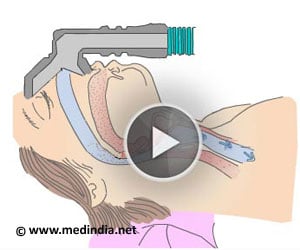
People, who normally do not snore, tend to do so after a bout of drinking, viral infections or after taking certain medications.
Insomnia may be due to physiological, psychological, physical or environmental factors. Insomnia should be treated promptly in order to improve the quality of life and prevent other health problems.
The causes of chronic fatigue are quite diverse, and vary from simple overexertion to heart disease and cancer.
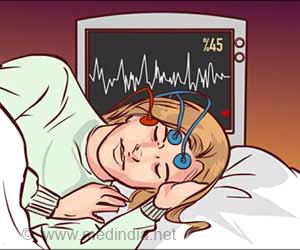
Polysomnography (PSG) or sleep study is a test done to diagnose sleep disorders by recording brain waves and sleep patterns. PSG can also be useful to monitor response to treatment of sleep disorders and adjust treatment plan suitably.
 MEDINDIA
 English
 हिन्दी
 Español
 français
 中文
中文