Medindia » Health Centers » Health Technology Health Center
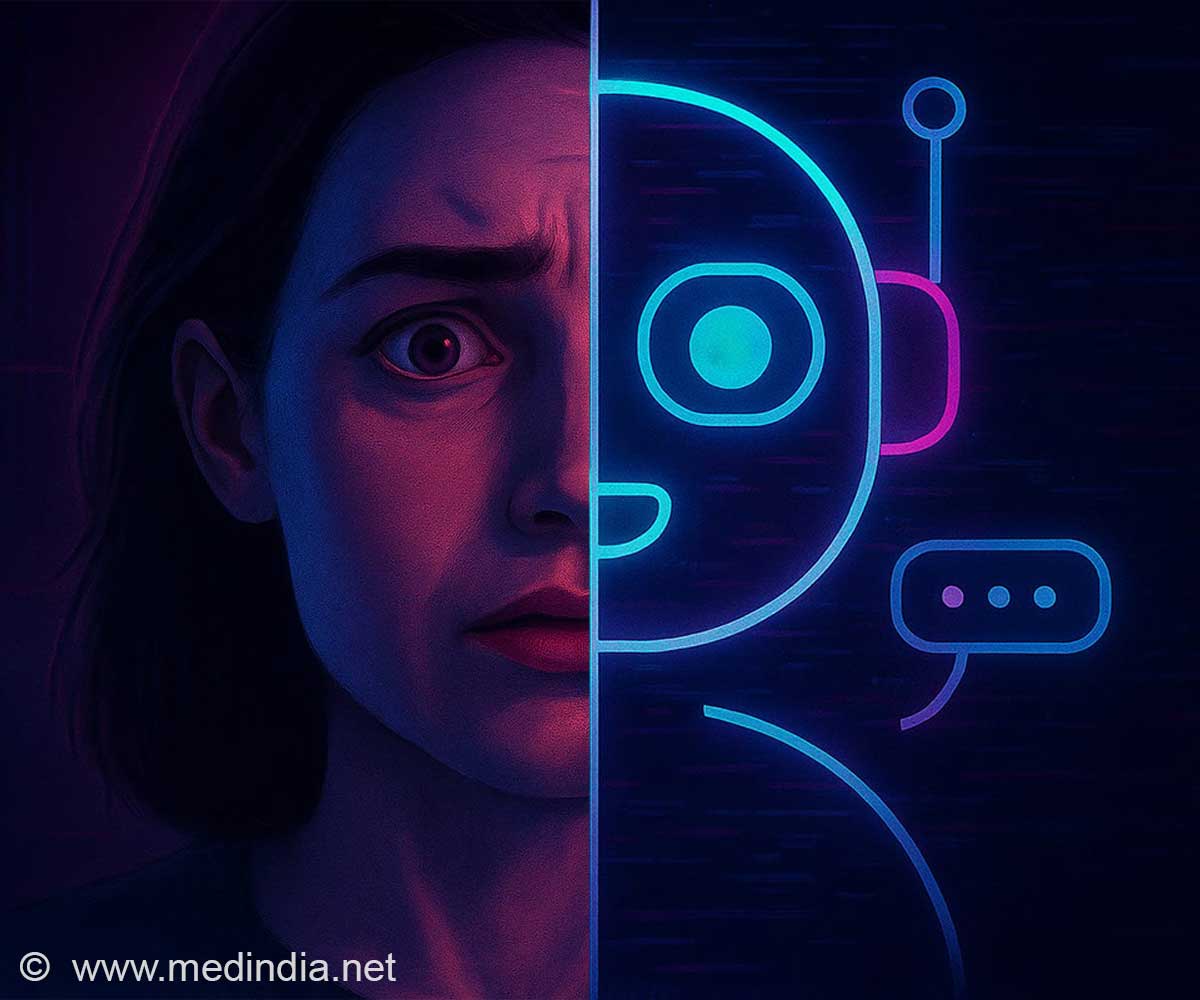
AI chatbots may fuel delusions and paranoia in vulnerable users, according to reports and early research on 'AI psychosis'. Here''s what we know.
A futuristic wellness capsule in Japan now offers a fully automated wash and relaxation experience.
AI is transforming healthcare by enhancing decision-making, improving patient care, and reshaping clinical workflows through evidence-based digital tools.
AI makes history with Rentosertib, the first drug fully discovered and designed by generative AI, showing success in treating pulmonary fibrosis.
Pioneering 15-minute polymerase chain reaction (PCR) test for hepatitis C virus facilitates same-day diagnosis and initiating treatment, speeding up HCV elimination.
Large Language Models and AI tools require periodic validation across multi-disciplinary tracks in healthcare to confirm their safety and efficacy.
A viral image showing Trump with a walker in the White House is likely AI-generated or edited, with no credible reports confirming its authenticity or health concerns.
Pregnant women exposed to wildfire smoke have higher odds of delivering early, with the greatest risk seen during the second trimester, according to a new U.S. study.
WITEC introduces the world’s first wearable ultrasound patch for 48-hour heart imaging, enabling real-time monitoring, early detection, and AI-driven care.
Free home page and profile for doctors. Better care for patients with wellness portal, appointments and teleconsultations. Stay current with journals &conferences.
Mobile fitness apps have made fitness routines more accessible. These apps allow you to set goals and make lifestyle modifications too. Read the article to learn more about the advantages and disadvantages of fitness apps.
About 80 percent of people spend up to 4 hours daily of leisure time on technology. Learn more about the 5 ways to avoid technology addiction.
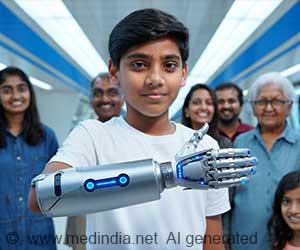
India is revolutionising prosthetic care with AI-powered, affordable smart limbs that restore mobility, dignity, and independence to amputees.
Personalized medicine is an advanced method to predict risk of a human to a disease and its early treatment. It is tailor-made precision medicine with least side effects. Pharmacogenomics is the novel concept based on which personalized medicine is designed.
 MEDINDIA
 English
 हिन्दी
 Español
 français
 中文
中文