MEDINDIA
 English
 हिन्दी
 Español
 français
 中文
中文
A groundbreaking 15-minute hepatitis C test accelerates eradication strategies and global HCV elimination 2030 goal.
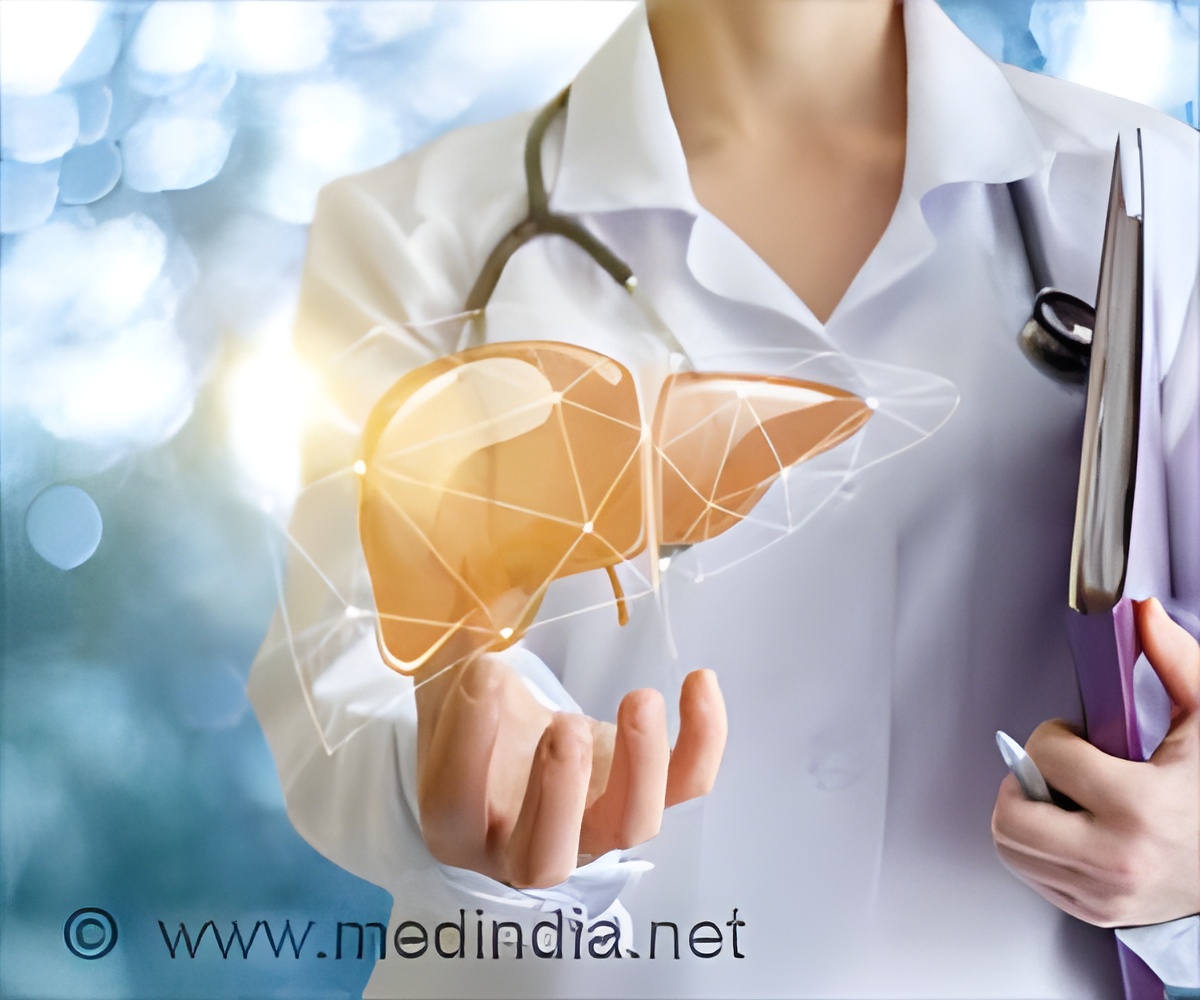
New 15-minute hepatitis C test paves the way for same-day treatment
Go to source) This faster polymerase chain test (PCR) allows same-day diagnosis and prompt treatment for the people affected with liver disease.
This expeditious assessment aims to prevent costly and ruinous complications like cirrhosis, liver cancer, and even death, contributing to the World Health Organization's goal of eliminating HCV by 2030.

Quiz on Hepatitis
Hepatitis is a common liver disease that is responsible for mortality as well as morbidity. Test your knowledge on hepatitis by taking this quiz. ...
Hepatitis is a common liver disease that is responsible for mortality as well as morbidity. Test your knowledge on hepatitis by taking this quiz. ...
TOP INSIGHT

Did you Know?
No more waiting to start off liver disease treatment! Ultra-fast #15minute_PCR test for #hepatitisC is 75% more quick than other #rapid_HCV_tests, paving way for prevention of #cirrhosis conditions. #endHCV #HCVtest #liverhealth #cirrhosis_prevention
Faster Test Accelerates HCV Elimination 2030 Goal
HCV can lead to a chronic hepatitis C infection, which affects an estimated 50 million people globally and causes approximately 242,000 deaths annually, largely due to resulting cirrhosis and liver cancer.While the infection is curable with an 8- to 12-week course of medication, treatment rates remain low partially due to lack of affordable and easily accessible diagnostic tests.
“We were able to develop a diagnostic test that can be performed at the point of care during a patient’s clinical visit, which could enable same-day diagnosis and treatment in support of HCV elimination efforts,” said Sally McFall, co-director of the Center for Innovation in Global Health Technologies (CIGHT) at Northwestern University McCormick School of Engineering, who developed the test.
The test has demonstrated excellent analytical and clinical performance, McFall said. It also could play a critical role in the World Health Organization’s ambitious goal to eliminate HCV by 2030.

Simple Online Calculator Detects Liver Cirrhosis
A non-invasive machine learning algorithm can help clinicians to identify patients with cirrhosis at highest risk for severe complications.
A non-invasive machine learning algorithm can help clinicians to identify patients with cirrhosis at highest risk for severe complications.
Repurposing the Point-of-Care Platform from COVID-19 to HCV
The research is a collaboration between engineering and infectious disease faculty at Northwestern.To develop the new rapid polymerase chain reaction (PCR) test for HCV, the scientists used the DASH® (Diagnostic Analyzer for Specific Hybridization) PCR platform, which was originally developed at Northwestern University to detect COVID from samples collected with nasal swabs.
The HCV test uses a whole blood specimen demonstrating the flexibility of the DASH platform.
The scientists shipped DASH® analyzers and DASH® HCV cartridges to collaborators at Johns Hopkins University, who then used 97 clinical specimens to evaluate the test’s performance.
Their independent analysis confirmed 100% agreement when compared to commercial platforms.
Simplifying the Pathway from Diagnosis to Cure in One Visit
“This test could revolutionize HCV care in the U.S. and globally by dramatically improving diagnosis, accelerating treatment uptake and enabling more people to be cured faster,” said study co-author Dr. Claudia Hawkins, director of the Robert J. Havey, MD Institute for Global Health’s Center for Global Communicable and Emerging Infectious Diseases at Northwestern.“By reducing delays and simplifying testing pathways, it has the potential to save millions of lives from the devastating liver-related complications of untreated HCV.”
Hepatitis C diagnosis is a two-step process. First, an antibody test determines if the patient was exposed to the virus.
If the result is positive, a second PCR test detects the presence of viral RNA to determine if the patient has an active infection. Health care workers typically send the PCR sample to a central lab for testing, which can take days or even weeks.
Then, the patient must return to their doctor to receive results. Although the Food and Drug Administration has approved one other point-of-care HCV test, results still take 40 to 60 minutes — much longer than the typical clinical appointment, McFall said.
Reference:
- New 15-minute hepatitis C test paves the way for same-day treatment - (https://news.northwestern.edu/stories/2025/12/new-15-minute-hepatitis-c-test-paves-the-way-for-same-day-treatment?fj=1)
Source-Eurekalert
Tests for Hepatitis - Diagnosis, Viral Panel Procedure & Interpretation of Results
Hepatitis is an inflammation of the liver. Hepatitis virus panel is a series of blood tests to diagnose infections caused by hepatitis A, B and C viruses.
Hepatitis is an inflammation of the liver. Hepatitis virus panel is a series of blood tests to diagnose infections caused by hepatitis A, B and C viruses.
 Email
Email