 MEDINDIA
 English
 हिन्दी
 Español
 français
 中文
中文
 Email
Email
- Dietary Fat and Cholesterol - (https://extension.colostate.edu/topic-areas/nutrition-food-safety-health/dietary-fat-and-cholesterol-9-319/)
- What is Cholesterol? - (https://www.heart.org/en/health-topics/cholesterol/about-cholesterol)
- Cholesterol level: Can it be too low? - (https://www.mayoclinic.org/diseases-conditions/high-blood-cholesterol/expert-answers/cholesterol-level/faq-20057952)
- How to Lower Cholesterol - (https://medlineplus.gov/howtolowercholesterol.html)
- The Truth About Triglycerides - (https://www.urmc.rochester.edu/encyclopedia/content.aspx?contenttypeid=56&contentid=2967)
- Cholesterol - healthy eating tips - (https://www.betterhealth.vic.gov.au/health/conditionsandtreatments/cholesterol-healthy-eating-tips)
- 4 foods not to eat if you have high cholesterol - (https://www.health.harvard.edu/heart-health/4-foods-not-to-eat-if-you-have-high-cholesterol)
- Triglycerides: Why do they matter? - (https://www.mayoclinic.org/diseases-conditions/high-blood-cholesterol/in-depth/triglycerides/art-20048186)
- Testing for Cholesterol - (https://www.cdc.gov/cholesterol/testing/index.html#:~:text=Most%20healthy%20adults%20should%20have,between%20ages%209%20and%2011)
- Facts about monounsaturated fats - (https://medlineplus.gov/ency/patientinstructions/000785.htm)
Are you concerned that your diet may increase your risk of developing heart disease? With this cholesterol calculator, you can quickly determine your daily cholesterol intake and track it.
How to Determine the Cholesterol Content in Foods?
The cholesterol calculator is a tool that can help you figure out how much cholesterol, total fat, and saturated fat are in the food items that you eat.
A person at risk for heart disease should aim to keep their daily cholesterol consumption under 200 mg(1✔) for adults and 170mg for children. For individuals without risk factors for heart disease, should limit their cholesterol intake to no more than 300mg per day.
This calculator will also provide you with interesting information about the cholesterol content in various foods. For example, did you know that there is absolutely no cholesterol in any plant-based food, including cereals, fruits, vegetables, and grains?(1✔) Cholesterol comes exclusively from animal-based food items.
What is Cholesterol?
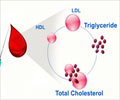
Cholesterol is a waxy, fat-like substance present in every cell of the body to perform biological functions. Cholesterol is classified into high-density cholesterol (HDL) and low-density cholesterol (LDL).
The cholesterol content in food is crucial to consider, as LDL (low-density lipoprotein, often referred to as "bad" cholesterol). The mnemonic of remembering the "L" in LDL for "lousy" can help people easily recall that this is the type of cholesterol that can contribute to heart disease and stroke. It's important to track LDL levels to maintain good cardiovascular health. HDL is a “good” cholesterol and is required by our body (2✔) .
Low Cholesterol
Low cholesterol, also known as hypocholesterolemia, is a condition when the blood cholesterol level is much lower than the required amount. Our body needs good cholesterol to perform some important biological functions.
However, low cholesterol is better than high cholesterol. There is no proper evidence to prove that low cholesterol causes certain health problems. As bad cholesterol is not healthy, some conditions like cancer may reduce the LDL cholesterol level. Low levels of LDL cholesterol can be associated with diabetes and hemorrhagic stroke (3✔) .
High Cholesterol
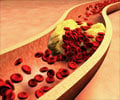
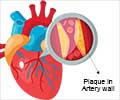
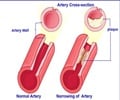
A high level of cholesterol in the blood is diagnosed as high cholesterol. The fat deposited in the blood vessels will grow eventually and block the blood flow through arteries. It can also form a clot and lead to heart attack or stroke(4✔).
Causes of high cholesterol
Lifestyle and genetic factors are responsible for high cholesterol. The levels of LDL and HDL play a major role in high cholesterol.- When there is a high level of low-density lipoprotein (LDL), it builds up in the arteries affecting smooth blood flow. This leads to heart attack or stroke.
- High-density lipoprotein (HDL) is the essential cholesterol required for bodily functions. At elevated levels, it carries excess cholesterol to break it down in the liver.
Risk Factors of High Cholesterol
Lifestyle factors that can increase the LDL levels are (6✔) :- Smoking: Smoking and tobacco use decrease HDL levels and increase LDL levels which is harmful to the body.
- Alcohol consumption: Drinking more alcohol can raise total cholesterol levels.
- Stress: Stress triggers hormonal changes and releases cortisol. As a response, our body produce more cholesterol.
- No exercise: Poor physical activity and a sedentary work life can negatively impact cholesterol levels.
- Diet: Foods rich in cholesterol can be harmful when consumed in excess. So it is important to have a balanced diet.
- Age: As we age, our liver becomes less functional in removing LDL cholesterol.
- Obesity: Having a body mass index (BMI) of 30 or more is at risk of high cholesterol
Tests to Diagnose Cholesterol Levels
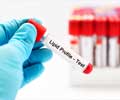
High cholesterol shows no symptoms and can only be detected through a blood test. Generally, it is required to fast for 8 to 12 hours before the blood test.
The cholesterol test can determine the levels of LDL, HDL, triglycerides, and total cholesterol (7✔).
- High levels of Low-density lipoprotein (LDL) can lead to plaque formation in the arteries.
- Elevated levels of High-density lipoprotein (HDL) can lower the risk of a heart attack or stroke.
- Triglyceride is a type of fat used by the body for energy. It can lead to adverse health effects when combined with high LDL or low HDL.
- Total cholesterol is the total amount of LDL, HDL, and triglycerides numbers in the blood.
How to Lower Cholesterol Levels with Diet?
- It is important to include foods rich in soluble fiber to lower LDL cholesterol and raise HDL cholesterol by diet. It keeps our bodies from absorbing bad cholesterol. Apples, oatmeals, prunes, and beans are rich in fiber.
- Replacing red meat with fish will lower cholesterol levels as fish is rich in omega-3 fats and reduces exposure to saturated fats. Fishes like wild salmon, sardines, and bluefin tuna are widely chosen as an alternative (8✔) .
Risk Factors of High Cholesterol
High cholesterol shows no symptoms and can only be detected through a blood test. Generally, it is required to fast for 8 to 12 hours before the blood test.
The cholesterol test can determine the levels of LDL, HDL, triglycerides, and total cholesterol.
- High levels of Low-density lipoprotein (LDL) can lead to plaque formation in the arteries.
- Elevated levels of High-density lipoprotein (HDL) can lower the risk of a heart attack or stroke.
- Triglyceride is a type of fat used by the body for energy. It can lead to adverse health effects when combined with high LDL or low HDL.
- Total cholesterol is the total amount of LDL, HDL, and triglycerides numbers in the blood.
Interesting Facts About Cholesterol Content in Foods
| ❖ | Like oil and water, cholesterol does not mix with blood. |
| ❖ | The High Density Lipoprotein (HDL) carries about 25% to 33% of the cholesterol in blood to liver, from where the cholesterol gets removed.HDL cholesterol or the “good” cholesterol may protect against heart attack and stroke. |
| ❖ | The good cholesterol (or High Density Lipoprotein) tends to carry cholesterol 'away' from the arteries where as the bad cholesterol (or LDL) carries cholesterol 'into' the cells of the artery. |
| ❖ | Egg white and foods from plant sources have no cholesterol. |
| ❖ | Your cholesterol level is greatly influenced by some of the following factors including smoking, obesity, poor diet, lack of exercise, high blood pressure, diabetes and family history. |
| ❖ | Diet containing saturated fats like high-fat cuts of meat, palm oil and coconut oil may increase the cholesterol level in opposition to mono and poly unsaturated fats, which help reduce the risks of high high cholesterol. |
FAQs on Cholesterol Level
1. How to lower cholesterol levels?
You can lower your cholesterol through proper diet, regular exercise, weight management and in some cases using medicines like statins(4✔).
2. What is considered high cholesterol?
High cholesterol is indicated when the triglyceride levels exceed 200 mg/dL. Initially, lifestyle changes like diet and exercise are recommended, but if these fail to lower cholesterol levels effectively, medication may be prescribed.(5✔).
3. What is the best drink to lower cholesterol?
As heart-healthy drinks choose water, tea, or coffee without sugar instead of sweetened beverages such as soft drinks, energy drinks, and sports drinks(6✔).
4. What are the worst foods for high cholesterol?
Some of the foods that you have to avoid if you have high cholesterol are:
- Red Meat
- Processed Meat
- Fried Foods
- Baked food items(7✔)
5. Why do high levels of triglycerides are linked to arteriosclerosis?
High levels of triglycerides can lead to thickening of arteries. This condition is called arteriosclerosis which increases the risk of stroke, heart attack, and heart disease (8✔).
6. How often should adults check their cholesterol levels?
The general recommendation for healthy adults to check their cholesterol levels is every 4 to 6 years. People with heart disease and other medical conditions should get their cholesterol checked more often (9✔) .
7. Which type of vegetable oil can help lower LDL cholesterol?
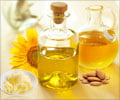
Olive oil contains monosaturated fats, which can help reduce the inflammatory effect of LDL cholesterol and increase HDL cholesterol. Replace butter with olive oil as it reduces LDL by 15% (10✔).

















If you take 2000mg of cholesterol in evryday what does happen?