MEDINDIA
 English
 हिन्दी
 Español
 français
 中文
中文
The updated obesity guidelines emphasize that, in addition to supporting weight loss, drug treatments can also enhance overall health and improve quality of life.
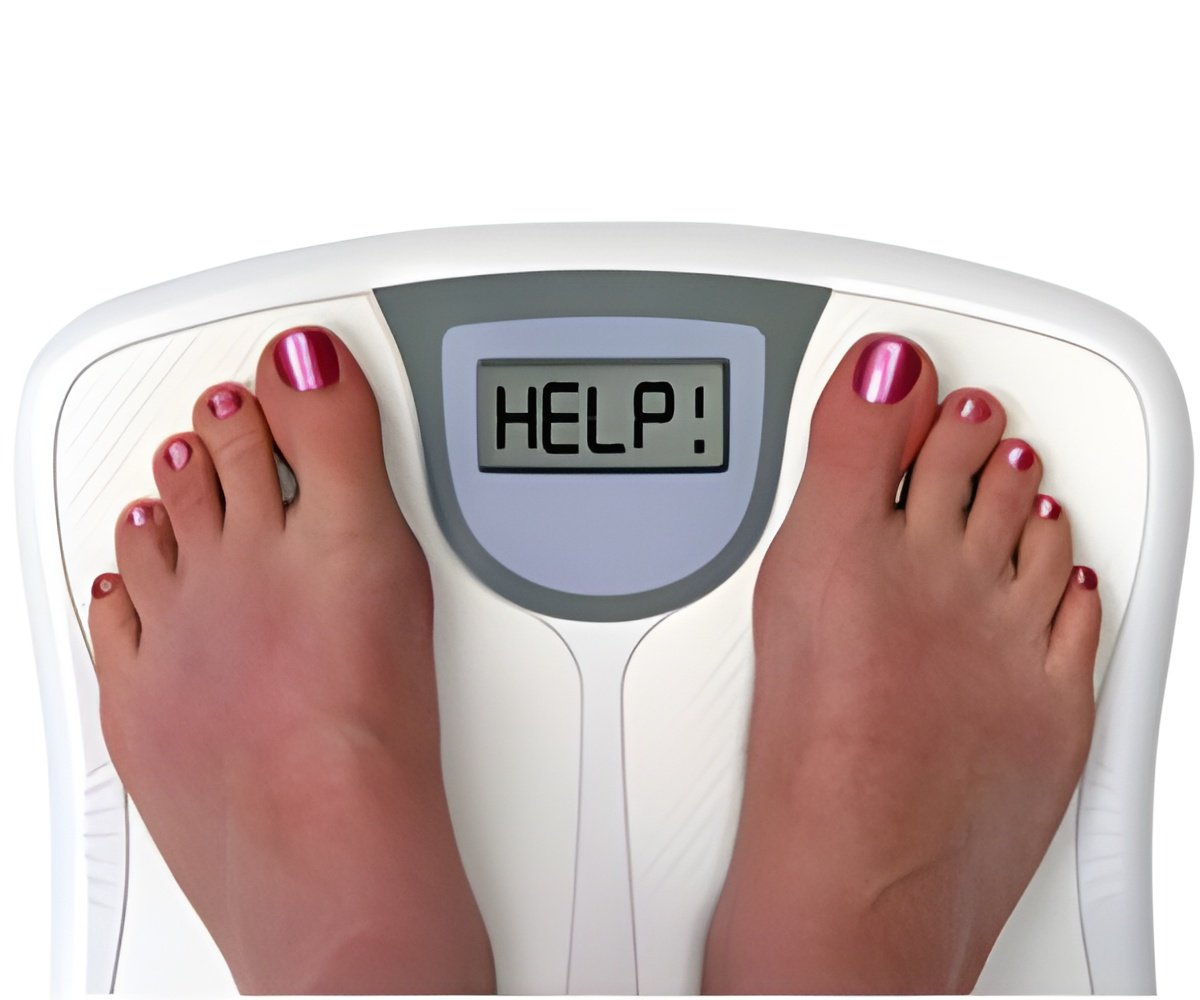
Pharmacotherapy for obesity management in adults: 2025 clinical practice guideline update
Go to source). The new guidelines say that this individualized technique emphasizes metrics like waist circumference, waist to hip ratio, and the presence of other health conditions rather than simple body mass index (BMI) indicators for weight loss management.
From BMI to Waist-to-Height: A New Era in Obesity Diagnosis
Why is the waist-to-height ratio a better obesity indicator than BMI? It more accurately predicts health risks related to abdominal fat distribution.
Why is the waist-to-height ratio a better obesity indicator than BMI? It more accurately predicts health risks related to abdominal fat distribution.
TOP INSIGHT

A new approach to #obesitymanagement: Drug therapy focuses on cues like waist circumference and other health conditions rather than #BMI for successful management. #Pharmacotherapy #Obesity #WeightLoss
Introducing Tirzepatide and Setmelanotide in Obesity Care
The guidelines recommend specific medications tirzepatide and setmelanotide for weight reduction as well as for managing other heart related complications such as atherosclerotic cardiovascular disease, and heart failure with preserved ejection fraction due to obesity.The guidelines caution against compounded obesity medications because of concerns about content, safety, efficacy, and quality. The guideline panel notes that only Alberta recognizes obesity as a chronic disease. Barriers to access — such as cost, stigma, and limited drug plan coverage — continue to prevent Canadians from receiving medication and support.

Quiz on Obesity
“We are indeed much more than what we eat, but what we eat can nevertheless help us to be much more than what we are”. - Adelle Davis There are thousands out there battling ‘the bulge’. With childhood obesity on the rise ...
“We are indeed much more than what we eat, but what we eat can nevertheless help us to be much more than what we are”. - Adelle Davis There are thousands out there battling ‘the bulge’. With childhood obesity on the rise ...
Reference:
- Pharmacotherapy for obesity management in adults: 2025 clinical practice guideline update - (https://www.cmaj.ca/content/197/27/E797)
Source-Eurekalert

Can Tirzepatide Help You Lose Weight—and Keep It Off?
Tirzepatide helps obese adults lose over 15% of body weight in 52 weeks—and retain much of it even six months after stopping the drug.
Tirzepatide helps obese adults lose over 15% of body weight in 52 weeks—and retain much of it even six months after stopping the drug.

Weight Loss Drugs Tied to Eating Disorder Risks in Young Men
Prescription weight loss drugs may raise eating disorder risks in young men.
Prescription weight loss drugs may raise eating disorder risks in young men.
 Email
Email