MEDINDIA
 English
 हिन्दी
 Español
 français
 中文
中文
New study reveals targeting CREB may block inflammation-driven pancreatic cancer, offering a new therapeutic strategy.
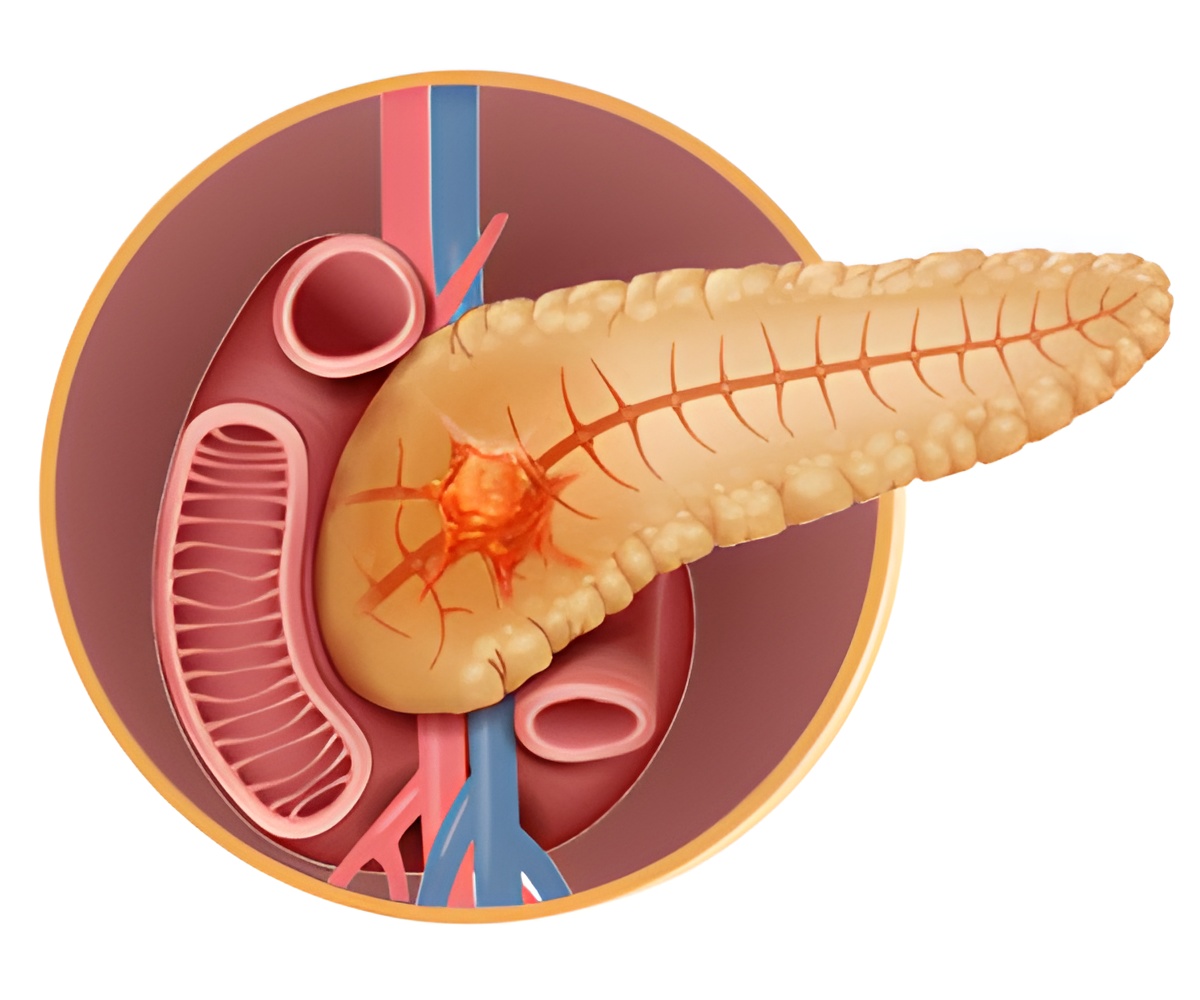
CREB drives acinar cells to ductal reprogramming and promotes pancreatic cancer progression in preclinical models of alcoholic pancreatitis
Go to source). “Our model serves as an important platform for understanding how chronic inflammation related to alcohol consumption accelerates the development of pancreatic cancer,” said Siddharth Mehra, Ph.D., a scientist at Sylvester Comprehensive Cancer Center, and first author on the study.
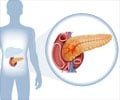
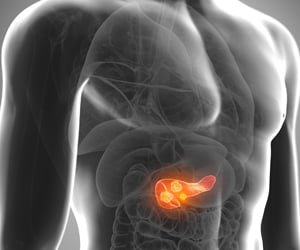
Pancreatic Cancer
Pancreatic cancer often involves its exocrine part. It grows aggressively, and often detected late. Treatment options include surgery, radiation and chemotherapy.
Pancreatic cancer often involves its exocrine part. It grows aggressively, and often detected late. Treatment options include surgery, radiation and chemotherapy.
TOP INSIGHT

How does #alcohol drive #cancer? A new model sheds light on the entire process—from #inflammation to pre-cancerous lesions and full-blown #cancer. This could open doors for new therapies and prevention methods. #Pancreatic_Cancer
How Chronic Inflammation Accelerates Pancreatic Cancer
Over time, precancerous lesions can develop, increasing the risk for full-blown pancreatic cancer, one of the deadliest types of tumors. Previous studies have implicated CREB, a DNA-binding protein that regulates gene activity, and associated molecules in helping to mediate this process.Progression to cancer also generally requires other cellular events, such as a mutation in a pro-cancerous gene called Ras, which commonly occurs in pancreatic tumors.
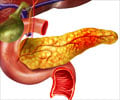
Quiz on Pancreatic Cancer
Pancreatic cancer is often diagnosed at a late stage and can be fatal. Test your knowledge on pancreatic cancer by taking this ...
Pancreatic cancer is often diagnosed at a late stage and can be fatal. Test your knowledge on pancreatic cancer by taking this ...
The researchers found that exposure to alcohol and a pro-inflammatory molecule caused the development of symptoms similar to alcohol-induced pancreatitis, an inflammatory condition. Inflammation in turn prompted the development of precancerous lesions and, later, cancer. Consistent with previous studies, CREB was highly activated throughout this transition process.

Lifetime Risk Calculator for Cancers
What are your chances for developing some common cancers in your lifetime - find out now.
What are your chances for developing some common cancers in your lifetime - find out now.
The findings hint that inhibitors of CREB might have therapeutic potential in people who have high alcohol use. Such inhibitors could potentially relieve damage to the pancreas and thwart tumor development, said the researchers.

Types of Alcohol
Information about the different types of alcoholic beverages, its production and tips on serving alcohol.
Information about the different types of alcoholic beverages, its production and tips on serving alcohol.
A Molecular 'Orchestrator' of Pancreatic Cancer Discovered
“We found that CREB is not just a mediator of inflammation; it is a molecular orchestrator that permanently converts acinar cells into precancerous cells, which ultimately progress to high-grade neoplasia,” said senior author Nagaraj Nagathihalli, Ph.D., associate professor of surgery and assistant director of the Sylvester Pancreatic Cancer Research Institute at the University of Miami.Future studies should help provide additional information about how alcohol use promotes pancreatic cancer development.
Questions include whether similar events occur in human cells and tissues and what other molecules and cells play a role in the process. CREB activation may also be involved in other alcohol-linked cancers, speculates Nagathihalli.
He and colleagues are also leveraging the model to investigate the potential of CREB inhibitors, which are under development as potential cancer therapeutics.
“We believe this study lays the groundwork for future translational efforts targeting CREB as a therapeutic vulnerability in inflammation-associated pancreatic cancer,” said study co-author Nipun Merchant, M.D., Sylvester associate director of translational science and chief of surgical oncology.
Reference:
- CREB drives acinar cells to ductal reprogramming and promotes pancreatic cancer progression in preclinical models of alcoholic pancreatitis - (https://www.biorxiv.org/content/10.1101/2024.01.05.574376v4)
Source-Eurekalert
 Email
Email