MEDINDIA
 English
 हिन्दी
 Español
 français
 中文
中文
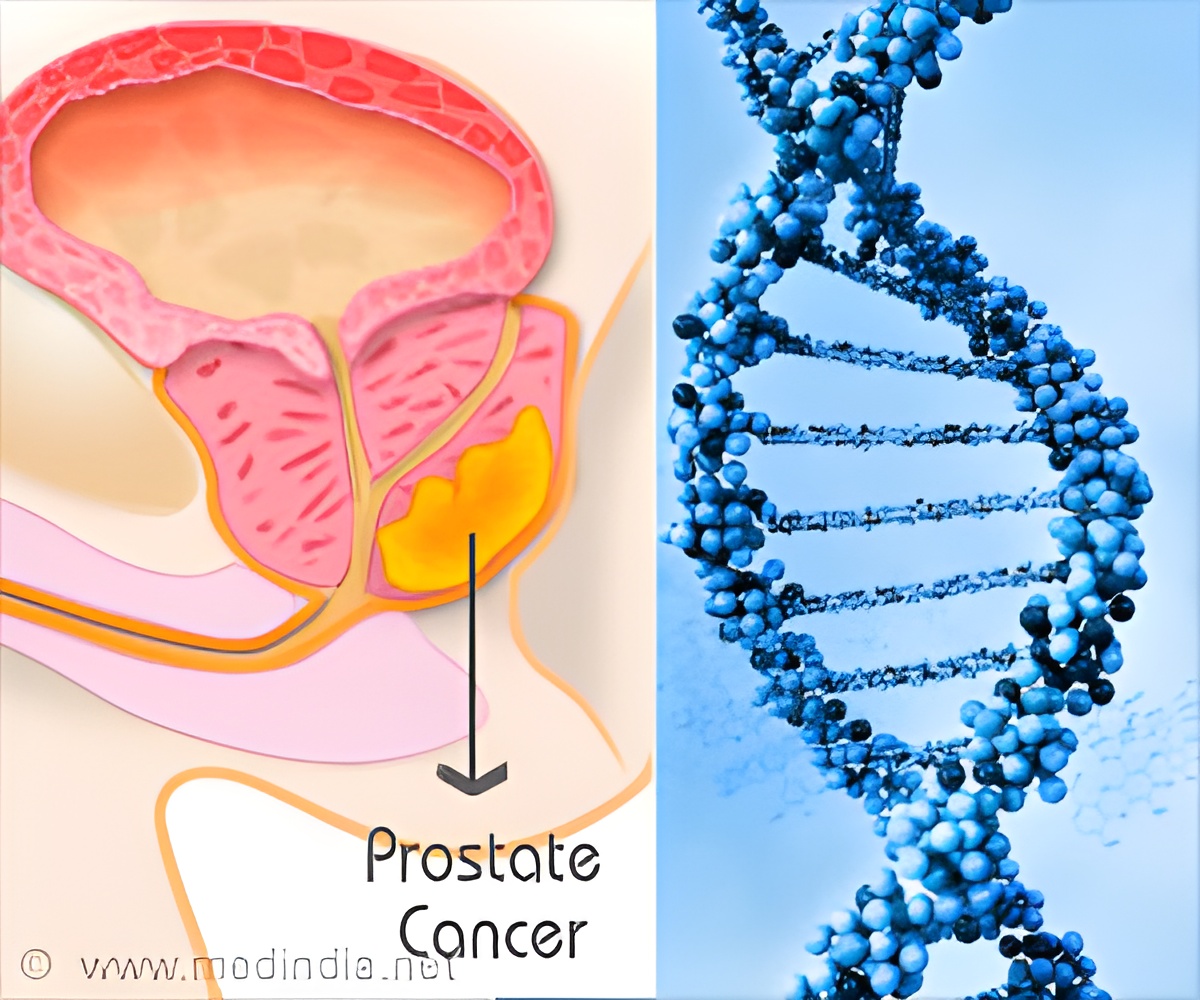
Scientists uncover how neuroendocrine prostate cancer develops, offering promising targets for future therapies.
New therapeutic strategies show promise against a hard-to-treat prostate cancer
Go to source).
TOP INSIGHT

Did You Know?
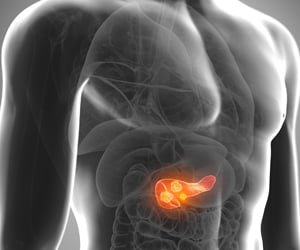
#Pancreatic_tumors can grow less than 2 cm and still spread early, because the pancreas has dense, fibrous tissue that blocks drugs, #immune_cells, and even imaging clarity, making treatment extremely difficult even when tumors are small.
#pancreaticcancer #cancerscience #cancertreatment #medindia
Prostate cancer is the most commonly diagnosed cancer among men in Canada. Tumours that stop responding to hormone therapy evolve into neuroendocrine prostate cancer in about 15 per cent of patients, according to past research. After this shift, life expectancy typically falls below 18 months.
“Therapy resistance remains one of the biggest challenges in cancer treatment, and prostate cancer is no exception,” said lead author Vincent Giguère, Professor in McGill’s Department of Biochemistry and GCI researcher. “Our findings highlight ERRγ as a promising new therapeutic target.”
Existing Gene-Targeting Drugs Show Promise When ERRγ Is Lost The researchers used advanced genetic and metabolic analysis to understand how losing ERRγ drives tumour growth. Their investigation revealed that two genes linked to cancer become overactive when ERRγ is missing.
As drugs that block these genes already exist for other cancers, the team tested two of them in mouse and human prostate cancer cells. When combined, the two drugs slowed the cancerous growth far more effectively than either drug alone.

Benign Prostatic Hyperplasia Assessment | Prostate Self Assessment Calculator
Benign Prostatic Hyperplasia Assessment or Prostate Self Assessment Calculator assesses the symptoms of enlarged prostate gland and gives an early warning for benign prostatic hyperplasia.
Benign Prostatic Hyperplasia Assessment or Prostate Self Assessment Calculator assesses the symptoms of enlarged prostate gland and gives an early warning for benign prostatic hyperplasia.
Understanding why ERRγ function becomes impaired in the first place is still being investigated, he added.
Quiz on Prostate Cancer
Prostate cancer is fast gaining as a common cancer form among men; more threatening since its symptoms often go unnoticed until it’s too late. This quiz tests your knowledge on prostate cancer, its diagnosis and treatment options and is as ...
Prostate cancer is fast gaining as a common cancer form among men; more threatening since its symptoms often go unnoticed until it’s too late. This quiz tests your knowledge on prostate cancer, its diagnosis and treatment options and is as ...
Preclinical findings led by first author Ting Li, a post-doctoral fellow in Giguère’s lab, have revealed that neuroendocrine prostate cancers have much lower levels of ERRγ than other types of prostate tumours. Removing the protein in mice sped up tumour progression, while reactivating the protein in human prostate cancer cells reversed the process, confirming its protective effect.
Reference:
- New therapeutic strategies show promise against a hard-to-treat prostate cancer - (https://ecancer.org/en/news/27301-new-therapeutic-strategies-show-promise-against-a-hard-to-treat-prostate-cancer)
Source-McGill University
 Email
Email