MEDINDIA
 English
 हिन्दी
 Español
 français
 中文
中文

Self-care is a powerful act of health empowerment—taking charge of your well-being mentally, physically, and emotionally.
Highlights:
Each of us is running—chasing goals, fulfilling duties, and navigating life's demands. But just as running requires breaks to keep going, life too demands timely pauses. Knowing when to pause before reaching the point of exhaustion is crucial. And that pause, that intentional act of restoring your energy and well-being, falls under a powerful umbrella called “self-care.”
To remind us of its importance, Self-Care Day is observed every year on July 24th; a day dedicated to recognizing that taking care of yourself is not a luxury but a necessity (1✔ ✔Trusted Source- Self-care supports mental and physical health, reduces stress, and promotes long-term well-being
- It bridges healthcare gaps, especially for women, men, and marginalized groups
- WHO recognizes self-care as a key tool to achieve Universal Health Coverage (UHC) and Sustainable Development Goals
Self-care month
Go to source).
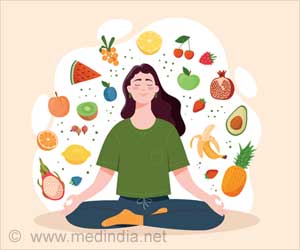
Mindfulness Day: Smart Mindful Habits for Self-Care
Mindfulness Day 2022: Practicing mindfulness every day can boost your overall health. Mindful snacking, meditation & exercise could be the best self-care habits for a healthy life
Mindfulness Day 2022: Practicing mindfulness every day can boost your overall health. Mindful snacking, meditation & exercise could be the best self-care habits for a healthy life
TOP INSIGHT

Did You Know?
Just 20 minutes connecting with nature can significantly lower stress hormone levels, helping ease tension and boost your well-being.
#selfcareday #july24 #womenwellness #men #selfcare #medindia
What is Self-Care?
The WHO 2022 Guideline on Self-Care Interventions defines self-care as all the choices and actions an individual makes to promote his or her health and well-being. Maintaining personal hygiene, prioritizing mental health and overall well-being, monitoring for signs of illness on a regular basis, and seeking medical advice when necessary are all simple but essential self-care practices. Notably, self-care does not replace formal health services; rather, it is used as a supplement to strengthen health systems by transferring some of the care provision to individuals, which is especially effective in low-resource environments (2✔ ✔Trusted SourceWHO guideline on self-care interventions for health and well-being, 2022 revision
Go to source).

Diabetes in the 'Self-Care' Era: Why Medical Guidance Matters
Discover why relying on medical guidance is essential for diabetes management. Learn about the dangers of self-care myths and the importance of professional advice.
Discover why relying on medical guidance is essential for diabetes management. Learn about the dangers of self-care myths and the importance of professional advice.
The 20-Minute Nature Pill
A study found that just 20 minutes in a natural setting can significantly lower cortisol levels—a hormone closely associated with stress. Nicknamed the “nature pill,” this simple approach to self-care requires no equipment, gym membership, or elaborate schedule. A stroll in the park, a visit to a garden, or even brief exposure to trees can quickly calm the nervous system. The research highlighted that the most effective outcomes occurred with 20 to 30 minutes of nature exposure, particularly during the daytime and without distractions such as using phones or engaging in strenuous physical activity. It is an inexpensive, effortless way to nurture both mental and physiological well-being—a reminder that sometimes the best medicine isn’t prescribed (3✔ ✔Trusted SourceStressed? Take a 20-minute nature pill
Go to source).

Redefining Masculinity With the Rise of Male Self-Care
Men's skincare routines have advanced beyond herbal soap and post-shave rituals, with a growing emphasis on self-care and grooming.
Men's skincare routines have advanced beyond herbal soap and post-shave rituals, with a growing emphasis on self-care and grooming.
Benefits Of Self Care
For Women
Gives Women Control
Women can make their own health decisions, privately and confidently.
Easier Access to Care
Tools like self-tests and online consultations help women get care even in remote or hard-to-reach places.
Reduces Inequality
Helps women who face barriers like poverty, distance, or social stigma.
Improves Reproductive Health
Supports safe family planning, pregnancy care, and menstrual health.
Boosts Mental Health
Helps reduce stress and gives women a sense of independence and confidence.
Saves Time and Money
Self-care is affordable and reduces pressure on hospitals and clinics.
Supports Global Health Goals
Helps create a healthier, more equal world for women and girls (4✔ ✔Trusted Source
Self-care interventions for women's health and well-being
Go to source).
For Men
Improves Physical Health
Regular self-care habits like exercise, healthy eating, and sleep improve overall well-being and reduce disease risk.
Encourages Early Detection
Self-monitoring and health check-ups help in identifying issues like hypertension, diabetes, and cancer early.
Promotes Mental Wellness
Stress management, emotional awareness, and seeking support can reduce anxiety, depression, and burnout.
Reduces Risky Behaviors
Increases awareness and helps avoid harmful habits such as smoking, excessive alcohol use, and neglect of health.
Builds Health Responsibility
Encourages men to take charge of their own health rather than relying solely on crisis care.
Improves Quality of Life
Consistent self-care leads to better energy levels, mood, work productivity, and relationships.
Bridges the Gender Health Gap
Promoting self-care helps address men’s historically lower health-seeking behavior and reduces gender disparities in health outcomes (5✔ ✔Trusted Source
The role of self-care interventions on men's health-seeking behaviours to advance their sexual and reproductive health and rights
Go to source).

Deepika Padukone Encourages Women to Indulge in Self-care Without Feeling Guilty
Women should take some time out for themselves without feeling guilty, said Deepika Padukone.
Women should take some time out for themselves without feeling guilty, said Deepika Padukone.
7 Ways to Build Self-Care Into Your Routine
1. Stay ActiveEngage in activities like walking, swimming, gym workouts, or home exercises—especially in nature for added mental benefits.
2. Improve Sleep Habits
Avoid late meals, caffeine, and screens at night. Develop a calming bedtime routine with music, reading, or breathing exercises.
3. Practice Mindfulness
Take mindful pauses during the day—meditate, focus on your senses, and let go of tension without judgment.
4. Be Creative
Reconnect with hobbies like painting, music, dance, or crafts. Creative expression boosts mood and offers social opportunities.
5. Spend Time with Loved Ones
Prioritize quality time with friends and family. Meet outside the home if needed to relax and fully enjoy the moment.
6. Take Regular Breaks
Avoid burnout. Rest when tired, take time off work, and don’t hesitate to ask for help or arrange respite care.
7. Try Talking Therapy
Therapy supports emotional well-being, builds self-compassion, and helps you understand and meet your self-care needs (6✔ ✔Trusted Source
Self-care: 7 tips for putting yourself first
Go to source).
Why Self-Care is a Global Health Priority
Self-care is not just an individual preference but rather a crucial worldwide health tactic. In light of this increased pressure on healthcare systems, particularly in low-resource or emergency circumstances, self-care provides a people-driven, modular model that can complement health and well-being. It allows people to take control over their health by performing self-tests, home treatment, and using digital platforms, limiting the load on overloaded facilities. Besides, self-care intervention can foster independence and enhance health literacy as well as reduce equity gaps in women, adolescents, and discriminated groups. The incorporation of self-care in the national health policies increases the chance of the countries reaching their universal health coverage and the Sustainable Development Goals, which makes it a global health priority (7✔ ✔Trusted SourceSelf care interventions to advance health and wellbeing: a conceptual framework to inform normative guidance
Go to source).
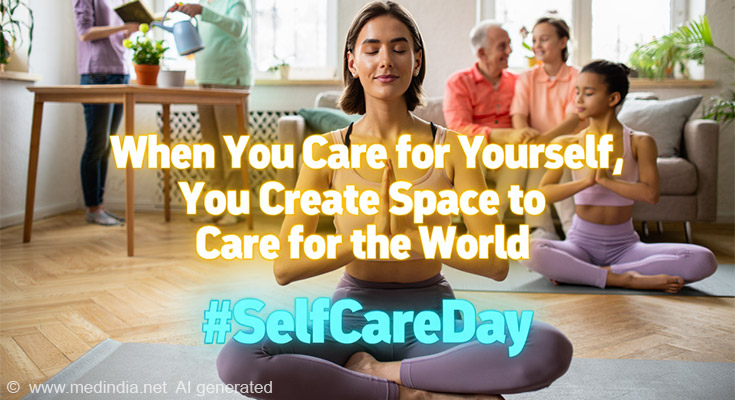
Self-care is not selfish—it is the foundation of well-being. By nurturing ourselves, we are better equipped to care for others and contribute to healthier families, communities, and nations.
References:
- Self-care month - (https://www.who.int/news-room/events/detail/2023/06/24/default-calendar/self-care-month)
- WHO guideline on self-care interventions for health and well-being, 2022 revision - (https://www.ncbi.nlm.nih.gov/books/NBK582359/)
- Stressed? Take a 20-minute nature pill - (https://www.frontiersin.org/news/2019/04/09/20-minute-nature-pill-relieves-stress/)
- Self-care interventions for women's health and well-being - (https://pubmed.ncbi.nlm.nih.gov/38454127/)
- The role of self-care interventions on men's health-seeking behaviours to advance their sexual and reproductive health and rights - (https://pmc.ncbi.nlm.nih.gov/articles/PMC7888093/)
- Self-care: 7 tips for putting yourself first - (https://www.bhf.org.uk/informationsupport/heart-matters-magazine/wellbeing/self-care)
- Self care interventions to advance health and wellbeing: a conceptual framework to inform normative guidance - (https://pmc.ncbi.nlm.nih.gov/articles/PMC6441866/)
Source-Medindia
 Email
Email