MEDINDIA
 English
 हिन्दी
 Español
 français
 中文
中文

A deadly drug-resistant fungus, Aspergillus fumigatus, has been found in US gardening products, posing a serious risk to people with weakened immune systems.
Highlights:
A dangerous, drug-resistant fungus called Aspergillus fumigatus has now been found in everyday gardening materials across the United States. Researchers are raising urgent concerns as this organism not only resists common antifungal drugs but also appears genetically primed to outsmart future medications (1✔ ✔Trusted Source- Drug-resistant fungus detected in compost, soil, and flower bulbs
- Immunocompromised people face high fatality risk from exposure
- Protective gear like masks and gloves is strongly recommended when gardening
Elevated mutation rates in multi-azole resistant Aspergillus fumigatus drive rapid evolution of antifungal resistance
Go to source). Scientists warn that the drug-resistant fungus is spreading rapidly across parts of the United States, especially in warm, humid states. Highly populated cities like New York and Los Angeles may also be at risk due to aging infrastructure and dense urban environments.

Climate Change Pushes Deadly Fungi Northward
Rising temperatures are driving pathogenic Aspergillus fungi into new territories, affecting global health and agriculture.
Rising temperatures are driving pathogenic Aspergillus fungi into new territories, affecting global health and agriculture.
TOP INSIGHT

Did You Know?
This backyard fungus could be life-threatening for some? #fungalinfection #aspergillusrisk #medindia
Why It Is Alarming:
A study from the University of Georgia found that 24 out of 525 samples of soil, compost, and flower bulbs tested positive for a drug-resistant strain of Aspergillus fumigatus, raising concern about its spread through everyday gardening materials. This fungus already causes over 300,000 infections a year worldwide, with death rates as high as 90 percent in vulnerable populations. A Nature Communications study now adds that some strains carry a specific mutation that increases mutation rates fivefold, meaning they could rapidly develop resistance to even new antifungal drugs in the future.
Fungus Aspergillus Fumigatus Cripples Immune System
Research team from the University of Jena clarifies the mechanism of gliotoxin, a mycotoxin from the fungus Aspergillus Fumigatus.
Research team from the University of Jena clarifies the mechanism of gliotoxin, a mycotoxin from the fungus Aspergillus Fumigatus.
Where This Fungus Is Found
A. fumigatus is naturally present in compost, decaying leaves, and garden soil. It helps break down organic material, so it's virtually everywhere in the environment. That’s not a problem for most people. But in those with weakened immune systems, such as people with cancer, organ transplants, or chronic lung disease, this fungus can cause a severe lung infection called aspergillosis.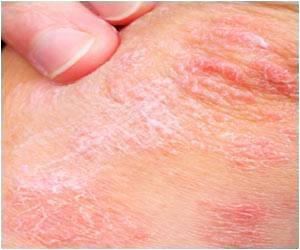
Deadly Fungus Developing Drug-resistance At an Alarming Rate
Deadly human fungal infections caused by certain strains of Aspergillus fungi appear to be developing resistance to current drug treatments at an alarming rate, say scientists.
Deadly human fungal infections caused by certain strains of Aspergillus fungi appear to be developing resistance to current drug treatments at an alarming rate, say scientists.
A Fungus That’s Evolving Fast
Researchers discovered that drug-resistant strains are not just more stubborn, they’re evolving faster. These strains carry a gene mutation known as msh6-G233A, which increases how often the fungus mutates, yet comes with no cost to its survival. That means the fungus continues spreading globally and adapting in ways that make it even harder to treat.One alarming finding is that this gene variant tends to appear only in fungi already resistant to common azole drugs, which are heavily used in both medicine and agriculture. The combination makes this a “super-strain” with the potential to outpace medical treatment in hospitals and clinics.

Fungal Infections in Humans can be Cured Using Bacteria in Frog's Skin
Frog skin bacteria may help to treat fungal infections that are becoming more drug-resistant in humans, reveals a study.
Frog skin bacteria may help to treat fungal infections that are becoming more drug-resistant in humans, reveals a study.
Why Gardening Can Be Risky
Many people inhale fungal spores while gardening. Tasks like repotting plants or digging compost release spores into the air. For healthy individuals, the immune system quickly handles them. But immunocompromised people may not be able to fight off the infection, which can then spread from the lungs to the brain, kidneys, or skin.Dr. Michael Mansour, an infectious disease expert at Massachusetts General Hospital, warns that many of his patients with aspergillosis had been exposed while gardening without masks or gloves. He says even short-term exposure can be risky in these cases.
How Agriculture May Be Worsening the Crisis
The rise of this dangerous fungus is closely linked to the widespread use of antifungals in farming. Just like antibiotics overused in livestock can breed resistant bacteria, fungicides sprayed on crops can help fungi evolve stronger forms that medical drugs can’t easily kill. This double use of antifungals in clinics and on farms is accelerating resistance worldwide.What Experts Recommend
Do:- Wear gloves and an N95 mask when handling soil, compost, or flower bulbs, especially if you have a weakened immune system
- Stay informed and alert if you or someone close is undergoing chemotherapy or has a lung condition
- Disturb compost or potting soil in enclosed spaces where spores can linger in the air
- Ignore persistent respiratory symptoms like coughing, wheezing, or fever after gardening
The most alarming part of this discovery is not just that the fungus is already resistant to current treatments, but that it’s gaining the tools to resist future drugs too. And it’s doing so without slowing down or becoming less fit. That means it can continue spreading, silently and invisibly, through common gardening products and outdoor spaces.
If you or a loved one is immunocompromised, don’t skip the mask or gloves next time you garden. A hidden threat in the soil could be far more dangerous than it seems, and staying safe is as simple as protecting yourself before you dig.
Reference:
- Elevated mutation rates in multi-azole resistant Aspergillus fumigatus drive rapid evolution of antifungal resistance - (https://www.nature.com/articles/s41467-024-54568-5)
Source-Medindia
 Email
Email