MEDINDIA
 English
 हिन्दी
 Español
 français
 中文
中文
Discover how simple food choices like fiber-rich fruits, veggies, and probiotics can support regular digestion and ease constipation fast.

Highlights:
Constipation is a common digestive complaint that many people experience at some point in life. It can feel uncomfortable when bowel movements become infrequent or when stools are hard and difficult to pass. Diet plays a major role in how our digestive system functions each day. Making the right food choices can support smoother bowel movements and help prevent constipation from becoming a persistent problem. Research from reputable health sources shows that food, fluid, and beneficial gut bacteria all influence how quickly food moves through the gut and how soft stool becomes (1✔ ✔Trusted Source- High-fiber fruits and vegetables help bulk up and soften stool for easier bowel movements
- Adequate water and natural juices like prune juice support fiber action and hydration
- Probiotic-rich foods may improve gut motility and stool consistency in some individuals
Foods for Constipation
Go to source).

Constipation
Constipation, or difficulty passing stool, is a common digestive complaint and is a symptom of gastrointestinal abnormalities and preventing constipation is done by treating underlying disease.
Constipation, or difficulty passing stool, is a common digestive complaint and is a symptom of gastrointestinal abnormalities and preventing constipation is done by treating underlying disease.
TOP INSIGHT

Prunes contain sorbitol that can help pull water into your intestines and make stools softer. #constipationrelief #guthealth #medindia
Dietary Habits Matter for Constipation Relief
Constipation often happens when stool moves too slowly through the digestive tract. A key factor in this slowing is a lack of dietary fiber, which adds bulk and retains water, making stool softer and easier to pass. Fiber is found in whole grains, fruits, vegetables, and legumes. Additionally, adequate fluid intake helps fiber do its job by keeping the stool moist. Some studies also suggest that probiotics and healthy gut bacteria can support intestinal movements and reduce the symptoms of constipation (2✔ ✔Trusted SourceDiets for constipation
Go to source).

Constipation-Symptom Evaluation
Constipation can occur due to a number of factors from faulty bowel habits, digestive tract problems, and generalized muscle conditions and systemic diseases.
Constipation can occur due to a number of factors from faulty bowel habits, digestive tract problems, and generalized muscle conditions and systemic diseases.
High-Fiber Fruits That Help Relieve Constipation
Fruits are among the most effective natural foods for relieving constipation because they offer both fiber and water, two key elements for healthy digestion. Prunes and prune juice have long been recognised for their ability to soften stools, partly because they not only contain high levels of fiber but also sorbitol, a natural sugar alcohol that attracts water into the colon and encourages normal bowel movements (1✔ ✔Trusted SourceFoods for Constipation
Go to source).
Other fruits that can improve stool softness and increase frequency of bowel movements include apples and pears with their skins on, which supply soluble and insoluble fiber. Citrus fruits like oranges also add fluid and fiber to the diet. Berries, such as raspberries and blackberries, pack compact fiber and are easy additions to breakfast bowls or snacks (3✔ ✔Trusted Source
Eating, Diet, & Nutrition for Constipation
Go to source).
Including these fruits regularly may help regulate digestion and reduce the discomfort associated with constipation. A small basket of mixed fruits a day can make a noticeable difference over a few weeks.

Toddler Constipation
Toddler constipation is non-passage of stool/ motion by child for 4 days or more. Toddler constipation may also be passing of hard, painful stool. It is relieved by dietary changes & medicines.
Toddler constipation is non-passage of stool/ motion by child for 4 days or more. Toddler constipation may also be passing of hard, painful stool. It is relieved by dietary changes & medicines.
Vegetables and Whole Grains that Improve Digestive Health
Vegetables are rich in insoluble fiber, which adds bulk to stool and speeds up its movement through the digestive tract. Cruciferous vegetables like broccoli, Brussels sprouts, and leafy greens such as spinach and collard greens are excellent options. Legumes, including lentils, kidney beans, and chickpeas, also supply fiber as well as nutrients (3✔ ✔Trusted SourceEating, Diet, & Nutrition for Constipation
Go to source).
Whole grains such as brown rice, whole wheat bread, oatmeal, and bran cereals are another great source of fiber. They can be especially helpful when eaten regularly as part of balanced meals. Fiber from whole grains not only encourages bowel regularity but may also support a healthier gut environment that promotes efficient digestion (3✔ ✔Trusted Source
Eating, Diet, & Nutrition for Constipation
Go to source).
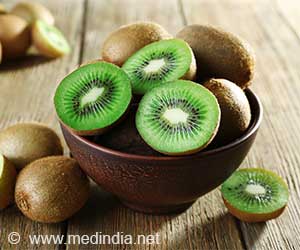
Kiwis Beat Constipation Where Fiber Fails
Kiwifruit, psyllium, probiotics, and magnesium water outperform high-fiber diets in managing chronic constipation.
Kiwifruit, psyllium, probiotics, and magnesium water outperform high-fiber diets in managing chronic constipation.
Hydration and Liquids That Support Bowel Movement
Consuming enough water and other fluids is essential when increasing fiber intake. Fiber works best when it can absorb water, which helps soften stool and prevent dryness that contributes to constipation. Drinking water, clear soups, and naturally sweetened fruit or vegetable juices provide hydration that supports digestive functions.Prune juice in particular has evidence supporting its effectiveness as a mild laxative. It contains not only fiber but also compounds that encourage bowel movement and soften stool. Starting with small portions of prune juice and increasing gradually can be a practical and natural way to ease occasional constipation symptoms (4✔ ✔Trusted Source
Prune juice for constipation? A new study says yes
Go to source).
Probiotics and Friendly Bacteria for Gut Motility
Emerging research suggests that probiotics, found in foods such as yogurt and kefir, may contribute to improved gut motility and stool consistency for some people. Probiotics are beneficial bacteria that help maintain a healthy gut balance, which in turn supports normal bowel movements. Certain strains have been shown to increase stool frequency and improve digestive comfort when consumed regularly (5✔ ✔Trusted SourceProbiotics, prebiotics, and synbiotics in chronic constipation: Outstanding aspects to be considered for the current evidence
Go to source).
Supplements with specific probiotic strains have also been studied for their ability to improve symptoms of chronic constipation. While results vary, incorporating probiotic-rich foods into the diet is generally considered safe and may enhance overall digestive health (5).
Dietary Fiber, Hydration and Probiotics to Prevent Constipation
To prevent and reduce constipation, it is important to build balanced habits around high-fiber foods, hydration, and beneficial bacteria. A simple plate might include a generous portion of vegetables, a serving of whole grains, and a side of high-fiber fruit. Hydrate throughout the day with water or natural juices and include fermented foods like yogurt for additional gut benefit.Making gradual changes to diet helps avoid bloating and discomfort that can occur when fiber intake increases too quickly. Aiming for a variety of fiber sources ensures both soluble and insoluble fibers are included, helping to maintain bowel regularity over time (6✔ ✔Trusted Source
Improving bowel function in constipation
Go to source).
If constipation persists despite dietary changes, it is advisable to consult a healthcare professional to rule out underlying health issues. For most people, building a diet rich in plant-based foods and fluids is a safe and effective way to support regular digestion and comfort.
References:
- Foods for Constipation - (https://www.hopkinsmedicine.org/health/wellness-and-prevention/foods-for-constipation)
- Diets for constipation - (https://pubmed.ncbi.nlm.nih.gov/25587519/)
- Eating, Diet, & Nutrition for Constipation - (https://www.niddk.nih.gov/health-information/digestive-diseases/constipation/eating-diet-nutrition)
- Prune juice for constipation? A new study says yes (https://www.health.harvard.edu/staying-healthy/prune-juice-for-constipation-a-new-study-says-yes)
- Probiotics, prebiotics, and synbiotics in chronic constipation: Outstanding aspects to be considered for the current evidence - (https://pubmed.ncbi.nlm.nih.gov/36570175/)
- Improving bowel function in constipation - (https://www.cuh.nhs.uk/patient-information/improving-bowel-function-in-constipation)
Source-Medindia
 Email
Email