MEDINDIA
 English
 हिन्दी
 Español
 français
 中文
中文
 Email
Email
- Dietary Habits and Nutrition in Rheumatoid Arthritis: Can Diet Influence Disease Development and Clinical Manifestations? - (https://pubmed.ncbi.nlm.nih.gov/32443535/)
- Inflammation in osteoarthritis: the latest progress and ongoing challenges - (https://pubmed.ncbi.nlm.nih.gov/36695054/)
- Effect of Anti-Inflammatory Diets on Pain in Rheumatoid Arthritis: A Systematic Review and Meta-Analysis - (https://pubmed.ncbi.nlm.nih.gov/34959772/)
About
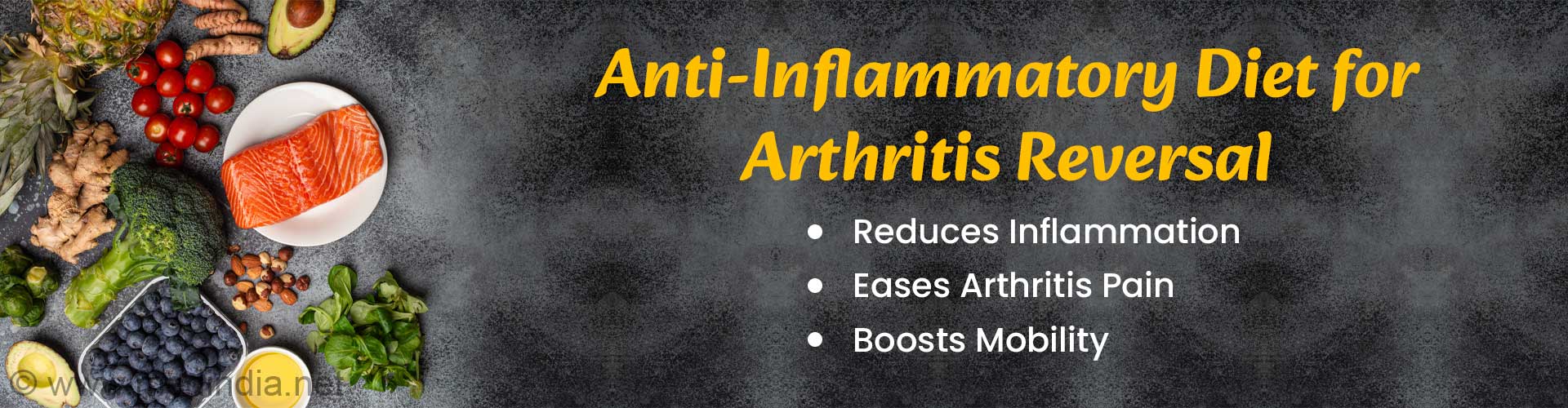
Arthritis is a chronic condition that affects millions of people worldwide, causing pain, stiffness, and reduced mobility in the joints. While arthritis has no definitive cure, research has shown that dietary and lifestyle changes can significantly reduce inflammation, slow its progression, and even reverse symptoms within a short period(1✔ ✔Trusted Source
Dietary Habits and Nutrition in Rheumatoid Arthritis: Can Diet Influence Disease Development and Clinical Manifestations?
Go to source).
Chronic inflammation plays a major role in the development and worsening of arthritis(2✔ ✔Trusted Source
Inflammation in osteoarthritis: the latest progress and ongoing challenges
Go to source). By adopting an anti-inflammatory diet, you can help alleviate joint pain, improve mobility, and support overall health(3✔ ✔Trusted Source
Effect of Anti-Inflammatory Diets on Pain in Rheumatoid Arthritis: A Systematic Review and Meta-Analysis
Go to source). Here’s everything you need to know about how the right foods can transform your joint health.
Did You Know?
A Mediterranean diet not only reduces arthritis symptoms but can also boost mood and brain function- keeping you sharp and mobile! #arthritis #antiinflammatorydiet #medindia





Link Between Inflammation and Arthritis
Inflammation is the body's natural response to injury or infection, but when it becomes chronic, it can contribute to diseases such as arthritis(2✔ ✔Trusted Source
Inflammation in osteoarthritis: the latest progress and ongoing challenges
Go to source). There are two main types of arthritis:
Osteoarthritis (OA):
A degenerative joint disease caused by wear and tear over time. It primarily affects older adults but can also develop from joint injuries or metabolic imbalances.Rheumatoid Arthritis (RA):
An autoimmune disorder where the immune system mistakenly attacks healthy joint tissues, leading to chronic inflammation and joint damage.
Chronic inflammation is now recognized as a key driver of arthritis, and modern diets high in processed foods, sugar, and unhealthy fats are exacerbating the problem. However, research shows that shifting to an anti-inflammatory diet can have a profound impact on reducing joint pain and improving mobility.

Best Anti-Inflammatory Diet for Arthritis
The most effective diet for reducing inflammation and reversing arthritis symptoms is inspired by the Blue Zone Diet and the Mediterranean Diet, which emphasize whole, plant-based foods, healthy fats, and minimally processed foods. Here’s how you can build your plate for optimal joint health.
Fill Half Your Plate with Vegetables and Fruits
Leafy greens and cruciferous vegetables are especially powerful in fighting inflammation. They contain antioxidants and compounds that help the liver detoxify harmful substances from the body.
Top choices:
- Broccoli, kale, cauliflower, and Brussels sprouts
- Spinach, Swiss chard, and arugula
- Berries (blueberries, strawberries, and raspberries)
- Bell peppers, tomatoes, and carrots
These foods are rich in vitamins, minerals, and phytonutrients that help reduce oxidative stress and combat joint inflammation.
Prioritize Plant-Based Proteins
Protein is essential for muscle and joint health, but the type of protein you consume matters. Plant-based proteins are rich in fiber and nutrients while being low in inflammatory compounds found in processed meats.
Top choices:
- Lentils, chickpeas, and beans
- Tofu and tempeh
- Nuts and seeds (chia seeds, flaxseeds, walnuts, and almonds)
For those who consume animal products, lean proteins like wild-caught salmon and sardines are excellent sources of omega-3 fatty acids, which help reduce inflammation.
Choose Whole Grains Over Refined Carbs
Refined grains, such as white flour and white rice, can spike blood sugar levels and promote inflammation. Instead, opt for whole grains that provide sustained energy and fiber.
Top choices:
- Quinoa, brown rice, and farro
- Bulgur, millet, and barley
- Whole wheat and sprouted grain bread
These grains help maintain a balanced gut microbiome, which plays a crucial role in regulating inflammation in the body.

Healthy Fats for Joint Lubrication
Not all fats are bad- some are essential for reducing inflammation and supporting joint health.
Top choices:
- Extra virgin olive oil
- Avocados and avocado oil
- Nuts and seeds (walnuts, chia seeds, flaxseeds)
- Fatty fish like salmon, mackerel, and sardines
These foods are rich in omega-3s, which have been shown to significantly reduce joint pain and stiffness.
Limit Meat and Dairy Consumption
Excessive consumption of red meat and dairy can contribute to inflammation. The healthiest diets in the world show that people who live the longest and suffer the least from chronic diseases consume meat only in small amounts.
How to adjust:
- Eat red meat no more than once a week
- Choose organic, grass-fed options when possible
- Opt for plant-based dairy alternatives like almond or oat milk
Stay Away from Processed Foods and Sugars
Processed foods, artificial sweeteners, and refined sugars can trigger inflammation and worsen arthritis symptoms. Avoid foods that contain:
- Processed meats (hot dogs, sausages)
- Sugary drinks and sodas
- Fried foods and fast food
- Packaged snacks with preservatives and additives
Supplements to Support Joint Health
In addition to a nutrient-rich diet, certain supplements can provide extra support for reducing inflammation and maintaining healthy joints.
Turmeric (Curcumin):
A powerful anti-inflammatory compound that helps relieve joint pain.Omega-3 Fatty Acids:
Found in fish oil, these help reduce joint stiffness and swelling.Vitamin D and Calcium:
Essential for bone health and preventing osteoporosis.
Lifestyle Changes to Boost Arthritis Reversal
An anti-inflammatory diet is most effective when combined with healthy lifestyle habits. The six pillars of lifestyle medicine can help improve arthritis symptoms even further:
Exercise:
Regular movement, such as walking, swimming, or yoga, helps keep joints flexible and strong.Stress Reduction:
Practices like meditation and deep breathing lower inflammation-related stress responses.Quality Sleep:
Aim for 7-9 hours of sleep per night to support immune function and reduce inflammation.Social Connections:
Strong relationships improve overall well-being and help manage stress.Avoid Risky Substances:
Limiting alcohol and quitting smoking are crucial for reducing inflammation.
Can an Anti-Inflammatory Diet Reverse Arthritis?
Scientific research suggests that adopting an anti-inflammatory diet can dramatically reduce arthritis symptoms. This is because reducing chronic inflammation helps alleviate joint pain, improve flexibility, and slow the disease’s progression.
While diet alone may not eliminate arthritis entirely, it is one of the most powerful tools available to manage and even reverse symptoms naturally. By making smart food choices and incorporating lifestyle changes, you can take control of your joint health and lead a more active, pain-free life.
Start today-your joints will thank you!