 MEDINDIA
 English
 हिन्दी
 Español
 français
 中文
中文
 Email
Email
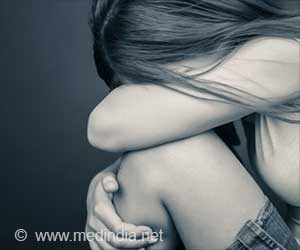
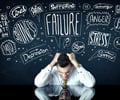
Are you stressed too much? Stress is a condition or situation that places a demand on the body''s physical, mental and emotional energy. Stress is a part of everyone''s life and natural activation of the body''s stress-response system gives you extra strength and courage to be alert and stay focused. However, chronic stress can threaten your physical and emotional well-being and trigger health problems such as anxiety disorder, depression, sleep problems, diabetes, heart disease, digestive problems and many psychosomatic illnesses.
When you come across a challenging situation, your body swiftly releases a surge of hormones such as adrenaline and cortisol to tackle the crisis and you experience some physical and emotional changes like faster heartbeats, increased blood pressure, fear, anger, confusion, and sweating. If you have successfully overcome that particular challenge and your body returns to the relaxed state then, such a situation is termed as "good" or "acute stress". On the other hand, if the stress is continuous and you are not relaxed, then it is called "bad" or "chronic stress".
Take Medindia’s Life Stressor Test that is designed to provide a reliable and comprehensive evaluation of your stress levels by utilizing the authentic Holmes and Rahe scale, a widely recognized tool in stress assessment. By taking into account significant life changes, such as job loss, illness, or relocation, the test gives you an accurate stress score, helping you understand how current life stressors may be affecting your health (1✔).
What is Stress?
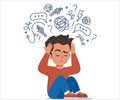
Stress can be defined as a state of worry or mental tension caused by a difficult situation.Stress is the body's response to whatever demand or challenge that may arise, whether physically, emotionally, or psychologically. It typically occurs when the brain perceives a situation as overwhelming or even threatening. Stress can either be acute or chronic (2✔).
What Causes Stress?
Stress can be triggered by various factors, known as stressors, such as:- Work pressure or job loss
- Financial problems
- Health issues or chronic illness
- Relationship conflicts
- Major life changes (e.g., moving, marriage, loss of a loved one)
- Environmental factors (e.g., noise, overcrowding)
Signs of Stress
Stress manifests in various ways, affecting our body, emotions, and behavior. Common signs of stress include:Emotional Signs:
- Feeling anxious, irritable, or overwhelmed
- Restlessness or feeling on edge
- Mood swings or emotional outbursts
- Difficulty concentrating or focusing
- Racing thoughts or constant worrying
- Forgetfulness and disorganization
- Headaches, muscle tension, or body pains
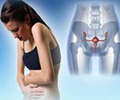
- Upset stomach, nausea, or digestive issues
- Trouble sleeping (insomnia) or sleeping too much
- Changes in appetite (overeating or loss of appetite)
- Fatigue or feeling drained
- Increased use of alcohol, tobacco, or other substances
- Withdrawal from social activities
- Changes in work or school performance
- Nervous habits, such as nail-biting or pacing
Facts about Stress:
| ❖ | Stress may be of three kinds including -
|
| ❖ | A Stress-free life will not make people happier and successful. |
| ❖ | Each person reacts differently to the same situation. |
| ❖ | Some relaxation techniques like deep breathing and meditation help reduce your stress by activating body's natural relaxation response. |
| ❖ | Yoga has double advantage as it enhances flexibility, strength and stamina apart from relieving anxiety and stress. |
How to Prevent Stress – Top Ten Tips that Help Manage Stress:
- Avoid Stressful Situations- Helps reduce triggers that lead to stress.
- Learn to say NO- Prevents over committing and reduces workload stress.
- Prioritize your Tasks- Improves time management and reduces overwhelm.
- Avoid Relationship Problems- Reduces conflict and stress.
- Feel free to share - Share your thoughts and feelings with your soulmates.
- Positive thoughts- Enhances mental resilience and reduces negative thinking.
- Acknowledge Your Achievements- Boosts self-esteem and reduces self-imposed stress.
- Exercise regularly- Lowers stress hormones and improves mood.
- Have a Good Night's Sleep- essential for mental and physical recovery.
- Balanced diet- supports overall well-being and stress management.
FAQs
1. How does stress affect the immune system?
Chronic stress weakens the immune system, making it harder for the body to fight off infections and recover from illness.
2. Can stress cause weight gain?
Yes, stress can lead to weight gain, often due to emotional eating and increased levels of the stress hormone cortisol, which promotes fat storage.
3. Is stress hereditary?
While stress itself isn’t hereditary, a family history of anxiety or depression can make individuals more prone to stress-related disorders.
4. Can stress cause hair loss?
Yes, severe or prolonged stress can trigger hair loss conditions like telogen effluvium, where hair shifts prematurely into the shedding phase.
5. How does stress affect the heart?
Stress increases heart rate and blood pressure, and over time, chronic stress can contribute to heart disease and high blood pressure.
6. What is the Social Readjustment Rating Scale (SRRS)?
The Social Readjustment Rating Scale (SRRS)/Holmes and Rahe Stress Scale is a tool developed by psychiatrists Thomas Holmes and Richard Rahe. Holmes and Rahe created the Social Readjustment Scale to measure a person's stress in 1967 based on significant life events. It is widely used in psychology and medicine to predict the likelihood of stress-related illnesses.
7. What are the most stressful life events?
The most stressful life events, according to the Holmes and Rahe Stress Scale, include Death of a spouse, Divorce, Separation, Death of a close family member, Major injury or illness, Marriage, Job loss, Retirement, Change in financial status and Moving to a new home.These events can significantly impact mental and physical health, increasing the risk of stress-related issues.
8. What are the holmes and rahe stress scale criticism?
The Holmes and Rahe Stress Scale faces criticism for its reliance on subjective self-reports, cultural bias, and neglect of daily stressors and individual resilience. It also struggles with overlapping life events and lacks consideration of the duration of stress exposure.

















I cannot say anything right now. But this attempts is not bad.