MEDINDIA
 English
 हिन्दी
 Español
 français
 中文
中文

South Asians face an earlier, more aggressive type 2 diabetes driven by abdominal fat and sedentary behaviour; the BMJ review urges early prevention and better access to care.
Highlights:
A review published in The BMJ reports that South Asians, including Indians, face type 2 diabetes earlier and more aggressively than many other populations. The disease often begins at a younger age and lower body weight, then progresses rapidly, leading to more complications such as kidney disease and heart attacks. Lead author Dr. Anoop Misra, Director of the Diabetes Foundation (India), told IANS that the team’s analysis underscores both the speed and severity of the condition in this group (1✔ ✔Trusted Source- Earlier diabetes at lower BMI in South Asians
- Abdominal obesity, along with sedentary behaviour, drives risk
- Early prevention and affordable care are critical
Type 2 diabetes in South Asians
Go to source).

Diabetes Risk Assessment Calculator
Almost one-third of the people are unaware of the risk factors of diabetes. Find out if you run the risk of diabetes by using Diabetes Risk Assessment calculator.
Almost one-third of the people are unaware of the risk factors of diabetes. Find out if you run the risk of diabetes by using Diabetes Risk Assessment calculator.
TOP INSIGHT

Did You Know?
South Asians get diabetes earlier, and it progresses faster-abdominal fat and sedentary time are key. Start prevention early. #diabetes #southasia #prevention #endocrinology #medindia
Why Risk Is Higher
The review points to a cluster of biological and lifestyle factors. South Asians tend to have greater abdominal obesity, ectopic fat accumulation, especially hepatic (liver) fat, and lower skeletal muscle mass than white populations of similar age and BMI. These features, together with rapid beta-cell dysfunction, contribute to earlier onset and accelerated glycemic progression, which in turn raises rates of retinopathy, cardiovascular disease, and chronic kidney disease.
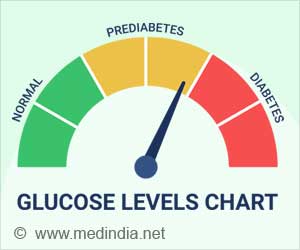
Blood Sugar Chart
The blood sugar chart gives you the fasting glucose values and glucose tolerance test values for normal people and people with early diabetes and established diabetes. Also use the calculator to find out if you have diabetes.
The blood sugar chart gives you the fasting glucose values and glucose tolerance test values for normal people and people with early diabetes and established diabetes. Also use the calculator to find out if you have diabetes.
Faster from Prediabetes to Diabetes
The study notes higher post-meal (postprandial) glucose levels and quicker progression from prediabetes to diabetes among South Asians. Environmental factors, more sedentary behaviour, and dietary shifts towards processed, refined carbohydrates further amplify risk and speed of progression.
Type 2 Diabetes - Risk Factors - Symptoms & Signs - Management - Prevention
Globalization and changing lifestyles has made diabetes very common in developing countries so much so that India is known as the Diabetes Capital of the World.
Globalization and changing lifestyles has made diabetes very common in developing countries so much so that India is known as the Diabetes Capital of the World.
Access Gaps Worsen Outcomes
Beyond biology and behaviour, limited access to affordable care delays diagnosis and treatment in many communities. The authors warn that this fuels more frequent and severe complications, calling for affordable, innovative solutions, stronger health systems, and population-wide prevention measures across the region.
How Type 2 Diabetes Fuels Aggressive Breast Cancer
New study reveals blood factors in type 2 diabetes may fuel breast cancer progression, linking metabolic disease to tumor growth and increased aggression.
New study reveals blood factors in type 2 diabetes may fuel breast cancer progression, linking metabolic disease to tumor growth and increased aggression.
What Clinicians and Policymakers Can Do
According to the review, prevention should begin early with a healthy diet, regular physical activity, and weight control, tailored for South Asian populations. Given an earlier onset at lower BMI, screening should not rely on weight alone; paying attention to waist circumference and abdominal adiposity is essential. Health systems should prioritize awareness, screening, and accessible treatment to blunt rapid progression and reduce complications.Reference:
- Type 2 diabetes in South Asians - (https://www.bmj.com/content/390/bmj-2024-079801)
Source-Medindia
 Email
Email