MEDINDIA
 English
 हिन्दी
 Español
 français
 中文
中文
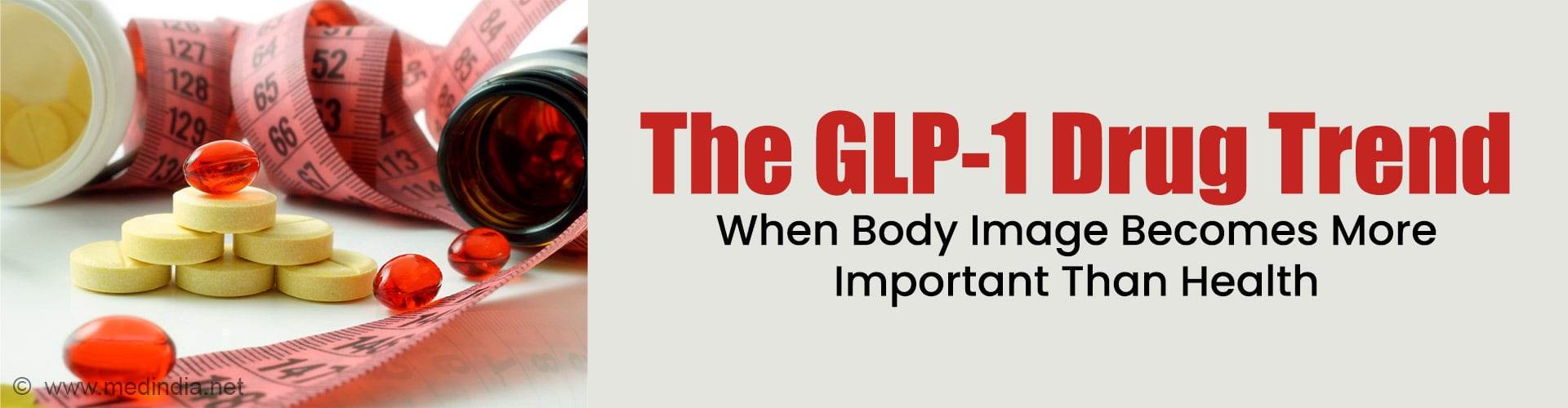
GLP-1 drugs now symbolise more than diabetes treatments. They reflect our anxieties about bodies, discipline and value.
Highlights:
In recent years, medications called GLP-1 receptor agonists (GLP-1 RAs) have transformed treatment for type 2 diabetes and obesity. These drugs help regulate appetite, improve blood sugar control, and offer substantial weight loss. Yet emerging evidence shows a growing number of individuals without medical indications are using these medications off-label to meet societal demands for thinness rather than for health reasons. A recent perspective in the journal Obesity explores how this trend exposes cultural values around body shape, morality, and responsibility (1✔ ✔Trusted Source- Off-label use of GLP-1 drugs reflects cultural pressures that link thinness with moral value
- Individuals using these medications without clinical need face unclear risks, both physiological and psychological
- Understanding drug use requires looking beyond medicine to social, ethical and equity issues
The Uncharted Territory of the New Obesity Drugs in Users Without Obesity: A Sociomedical Perspective
Go to source).

Diabetes Screening
Diabetes screening is done using blood tests like fasting blood sugar and hemoglobin A1c levels. Diabetes affects 8.3% Americans and about 10% Indians.
Diabetes screening is done using blood tests like fasting blood sugar and hemoglobin A1c levels. Diabetes affects 8.3% Americans and about 10% Indians.
TOP INSIGHT

Did you know?
Weight-loss drugs designed for metabolic disease are now being framed as symbols of self-control and status in many cultures. #weightlossdrugs #glp1 #bodyimage #medindia
What are GLP-1 Drugs and What is Their Clinical Use?
GLP-1 RAs were developed for people living with obesity or type 2 diabetes. They work by mimicking the body’s glucagon-like peptide 1 hormone, reducing hunger, improving insulin secretion, and slowing digestion processes. Their medical success is significant. However, these drugs are increasingly used by people who do not meet the clinical criteria for obesity. This expansion changes how we think about weight management, health and personal responsibility.
Self-Care Practices in Diabetes Management
Self-care management in a diabetic patient requires skills to make essential changes in routine day-to-day activities for controlling the disease and improving the quality of life in a natural way.
Self-care management in a diabetic patient requires skills to make essential changes in routine day-to-day activities for controlling the disease and improving the quality of life in a natural way.
Cultural Pressures Behind Off-Label Use of Certain Diabetes Medicines
According to the authors, the rise of off-label GLP-1 use reflects deep social norms: thinness has come to symbolise self-discipline, moral worth, and social success. Celebrity endorsements, social-media hype, influencer marketing and the booming weight loss industry all push a message: being slim equals being good. In this context, people may turn to drugs not because they need them medically but because they feel they “should” in order to fit in, succeed, or be valued.

SGLT2 Inhibitors: An Evolution in Diabetes Mellitus?
SGLT2 inhibitors for type 2 diabetes work by eliminating excess glucose in the urine. It not only brings the blood sugar down but also aids with weight reduction.
SGLT2 inhibitors for type 2 diabetes work by eliminating excess glucose in the urine. It not only brings the blood sugar down but also aids with weight reduction.
Health Risks and Unintended Consequences of Using Diabetes Management Medicines for Weight Loss
When drugs designed for metabolic disease become lifestyle tools, several risks emerge. First, there is limited evidence on how safe and effective they are in people without the original medical condition. The side-effects, emotional and psychological impacts, such as changed relationships with food, increased anxiety about body image, or pursuit of further body modification, are under-researched.Second, access is uneven: cost, medical oversight, privilege, and informal channels create inequalities and raise ethical questions about who is using these drugs and why.
Taming Diabetes
Discover the keys to diabetes control! Who to consult? Can it be reversed? Best foods? Get expert answers for a healthier, empowered life.
Discover the keys to diabetes control! Who to consult? Can it be reversed? Best foods? Get expert answers for a healthier, empowered life.
What Weight Loss Means for Body Image and Health Ideals
Pharmacological weight loss is changing how bodies are perceived socially. Weight loss becomes not just a health outcome but a moral achievement. This shift may intensify body anxieties, increase stigma for those who do not fit weight norms, and promote the idea that medication is a quick fix rather than part of holistic health. For some people, the drug becomes part of identity and status, not only treatment.Moving Towards Balanced and Ethical Use of Medicines for Weight Loss
Understanding this issue requires combining biomedical science with cultural and social analysis. The authors call for research that examines not just metabolism and appetite but also how these drugs affect self-image, motivation, social relationships and health equity. Clinicians and public health stakeholders should ask: Are we promoting healthy bodies or promoting moral value judgments based on weight? Are off‐label uses being driven by patient health or by pressure to conform?What You Should Consider If Weight Loss Drugs Are On Your Radar
If you are thinking about these medications, here are some questions to ask:- Are you using the drug under medical supervision for a diagnosed condition such as obesity or diabetes?
- Are your goals health-focused (improved strength, energy, metabolic health) rather than purely aesthetic?
- Do you understand the side-effects, long-term risks and possible psychological impacts?
- Are you using medication in conjunction with supportive lifestyle changes such as nutrition, activity and sleep?
The bottom line: weight management medications are powerful tools when used appropriately. But when they become symbols of virtue or conformity, they raise urgent ethical, social and public health questions. Balanced use, transparency, and awareness of cultural pressures can help ensure these treatments serve health, rather than social image.
Reference:
- The Uncharted Territory of the New Obesity Drugs in Users Without Obesity: A Sociomedical Perspective (https://onlinelibrary.wiley.com/doi/10.1002/oby.70069)
Source-Medindia
 Email
Email