MEDINDIA
 English
 हिन्दी
 Español
 français
 中文
中文
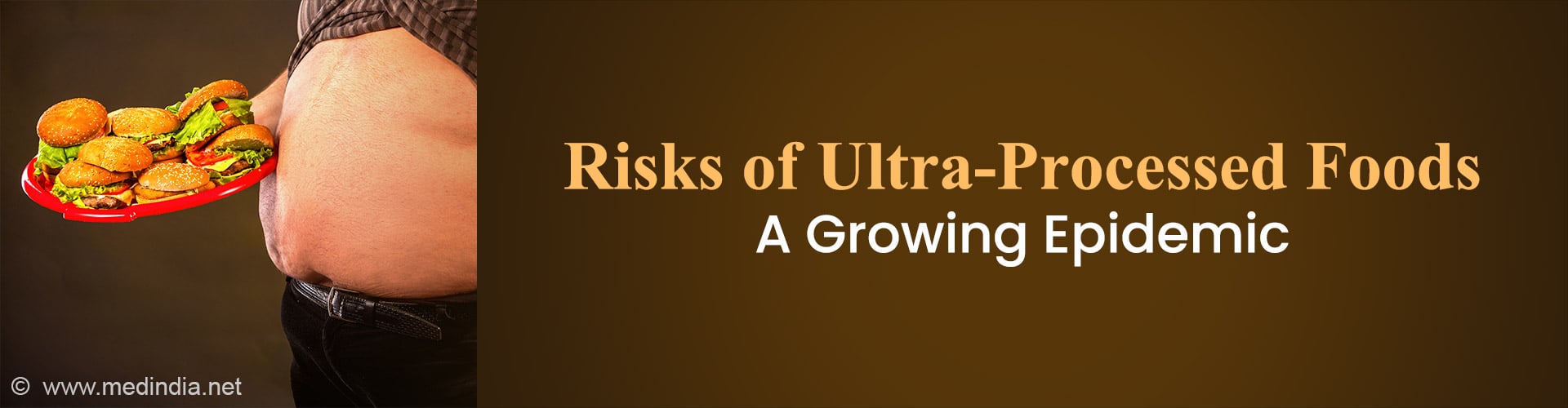
Ultra-processed foods like potato chips and sugary drinks are increasingly associated with obesity, diabetes, and heart disease.
Highlights:
You may have thought your snacks were harmless, but think again after these findings. A study published in the Canadian Journal of Public Health used health data from more than 6,000 adults and revealed that people who eat ultra-processed foods are likely to experience obesity, type 2 diabetes, and heart disease (1✔ ✔Trusted Source- Ultra-processed foods are associated with higher incidences of chronic diseases
- Consumption of ultra-processed foods is growing rapidly in Canada
- The research stresses better public education on healthy eating
Consumption of ultra-processed foods is associated with obesity, diabetes and hypertension in Canadian adults
Go to source). Participant information, collected in mobile clinics and from surveys as part of the Canadian Health Measures Survey, formed the foundation of this study. The team at McMaster University and Health Canada examined data from individuals with different regional, socio-economic, and age backgrounds.

Unprocessed Vs Ultra-Processed: Impact on Diet Quality and Chronic Disease Risk
Unprocessed, minimally processed food consumption was linked to good diet quality, while ultra-processed foods consumption was linked to poor diet quality.
Unprocessed, minimally processed food consumption was linked to good diet quality, while ultra-processed foods consumption was linked to poor diet quality.
TOP INSIGHT

Over 60% of daily calories in Canada come from ultra-processed foods. Shocking, right? What's on your plate today? #ultraprocessed #healthalert #canadadiet #medindia
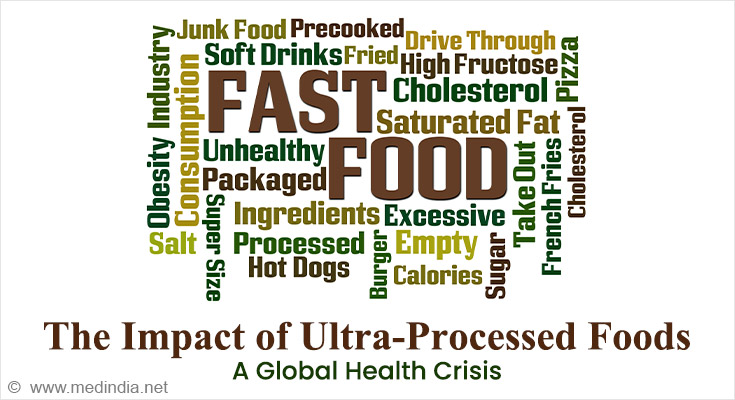
Ultra-processed foods include chips, instant noodles, soft drinks, packaged snacks, and fast foods, are created to provide taste, maintain freshness for longer periods, and save time, but not to promote nutritional value.
Why Are Ultra-Processed Foods So Harmful to Health?
1. High Sugar and Salt Content
Most ultra-processed foods are full of unhealthy sugars and salt, which cause high blood pressure, diabetes and heart disease. The body struggles to metabolize these ingredients at the levels found in junk foods, leading to long-term health problems.

The Bitter Link Between Ultra-Processed Food and Cancer
A recent study evaluated the relationship between ultra-processed foods and cancer.
A recent study evaluated the relationship between ultra-processed foods and cancer.
2. Lack of Nutritional Value
Ultra-processed foods may be convenient, but they lack essential nutrients and are high in empty calories—leading to weight gain and metabolic issues.
3. Additives and Preservatives
Preservatives, artificial colors, and flavor enhancers found in most processed foods have been linked to health issues ranging from allergies to cancer. These additives are hard for the body to digest and may have toxic effects over time.

Caution for Kids: Junk Foods are Bad to the Bones
Link between ultra-processed foods and reduced bone quality has been found. Study shows that these foods damage skeletal growth in younger children.
Link between ultra-processed foods and reduced bone quality has been found. Study shows that these foods damage skeletal growth in younger children.
4. Alteration of Gut Microbiome
A diet high in ultra-processed foods can disrupt gut bacteria, leading to digestive issues and weakened immunity. This imbalance may increase the risk of chronic conditions like diabetes and inflammatory bowel disease.
5. Increased Risk of Mental Health Issues
Some studies have found that a diet rich in ultra-processed foods contributes to mental health disorders, including depression and anxiety. The absence of healthy nutrients in such foods can adversely affect brain function and mood regulation.

Health Risks of Rising Processed Food Consumption in India
Rising processed food intake in India could negatively impact health, prompting calls for nutritional regulation and healthier alternatives, according to a government report.
Rising processed food intake in India could negatively impact health, prompting calls for nutritional regulation and healthier alternatives, according to a government report.
Ultra-Processed Foods and Chronic Disease: The Bigger Picture
The findings from Canada echo alarms from research in other countries. The rising intake of ultra-processed foods globally is accompanied by a similar rise in chronic disease rates. A lack of food policy improvements and public understanding may put enormous pressure on healthcare systems worldwide.“The study strongly supports prioritizing whole, unprocessed foods and implementing nationwide strategies to reduce processed food consumption,” said the study authors.
What Needs to Change?
- Promote whole foods and limit ultra-processed intake
- Raise awareness of processed food health risks
- Enforce stricter food regulations
- Support research on healthier alternatives
- Encourage healthy eating through policy changes in schools, workplaces, and communities
“Your diet is an account book. Good food investments are good food choices.”
Reference:
- Consumption of ultra-processed foods is associated with obesity, diabetes and hypertension in Canadian adults - (https://link.springer.com/article/10.17269/s41997-020-00429-9)
Source-Medindia
 Email
Email