MEDINDIA
 English
 हिन्दी
 Español
 français
 中文
中文

Women’s physiology helps them store and utilize fat (lipolysis) more efficiently than men, which might inform future obesity therapies.
Highlights:
Women have a significant metabolic advantage over men: once fat breakdown (lipolysis) begins, it proceeds more efficiently in women than in men, according to recent research published in the Journal of the European Association for the Study of Obesity (1✔ ✔Trusted Source- Female bodies are comparatively more skilled at keeping subcutaneous fat
- Reproduction benefits from the way the female metabolism holds on to fat stores
- Men build up more visceral fat, which is linked to increased health risks
Sex Differences in Adipose Tissue Function
Go to source). Future diabetes prevention tactics may be better tailored using this knowledge, particularly for males who are more metabolically susceptible.

Researchers Explain Why Men Store Fat in Apple Shape and Women in Pear Shape
A breakthrough, which could help explain why women tend to accumulate fat in the stereotypical 'pear' shape and men in 'apple' shape was made by researchers.
A breakthrough, which could help explain why women tend to accumulate fat in the stereotypical 'pear' shape and men in 'apple' shape was made by researchers.
TOP INSIGHT

Did You Know?
Energy balance relies on lipolysis-the breakdown of fats-a process linked to reduced risk of type 2 diabetes in individuals with overweight or obesity. #bodyfat #metabolism #womenshealth #endocrinology #fatdistribution #medindia
What Is Lipolysis?
Lipolysis is a biological process that breaks down fat deposited in adipocytes (fat cells) into glycerol and free fatty acids. The body uses these substances as fuel when they are released into the bloodstream, particularly during periods of fasting or physical activity.Lipolysis is essential for energy metabolism and weight control. Hormones, genetics, and gender are some of the variables that can affect its effectiveness. According to studies, women can burn fat more efficiently, especially when engaging in endurance exercises or calorie restriction, because they frequently have more active lipolysis in specific fat deposits.
According to Professor Peter Arner of the Karolinska Institute in Stockholm, Sweden, "the breakdown of lipids through lipolysis is essential for energy balance and it is believed that doing it effectively may prevent type 2 diabetes and other metabolic complications of overweight and obesity."

New Genetic Study Shows How Belly Fat Differs from Thigh Fat
Researchers have observed that the genes active in a person's belly fat are significantly different from those in the person's thigh fat.
Researchers have observed that the genes active in a person's belly fat are significantly different from those in the person's thigh fat.
Catecholamines are hormones that are essential for initiating lipolysis and controlling its different stages. For instance, lipolysis is more powerfully triggered in women than in men when levels of these hormones rise as a result of psychological stress or during physical activity.
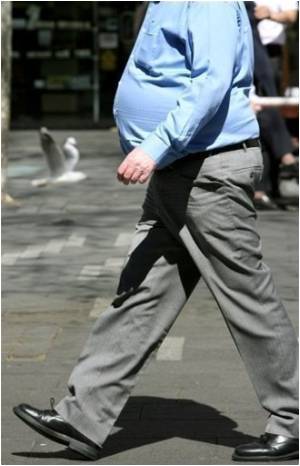
Answers to Why Men Store Fat in Their Bellies, Women in Their Hips
Scientists claim to have answered the age-old question of why men store fat in their bellies and women store it in their hips - the fat tissue is almost completely different, genetically.
Scientists claim to have answered the age-old question of why men store fat in their bellies and women store it in their hips - the fat tissue is almost completely different, genetically.
Lipolysis in abdominal subcutaneous fat cells from adult women (n = 774) and men (n = 298) was measured by Professor Arner and Dr. Daniel P. Andersson of the Karolinska University Hospital Huddinge in Stockholm in order to learn more.

Body Fat - Types, Functions, Measurement, Accumulation and Getting Rid of Excess Fat
Our body is composed of water, fat, protein, carbohydrates, vitamins and minerals. The fat content in the body is called body fat.
Our body is composed of water, fat, protein, carbohydrates, vitamins and minerals. The fat content in the body is called body fat.
The degree of lipolysis was determined by measuring the amount of glycerol released.
Women's fat cells required higher doses of catecholamines to initiate lipolysis, suggesting lower sensitivity compared to men's fat cells.
But when lipolysis was triggered, it happened more quickly in the female cells than in the male cells.
According to Professor Arner: "Men may be able to improve their protection against type 2 diabetes and other metabolic conditions by increasing their physical activity because exercise is known to make it easier for catecholamines to activate lipolysis."
"Longer-term, our findings could aid in developing drugs that lower the risk of type 2 diabetes in men."

Reference:
- Sex Differences in Adipose Tissue Function - (https://pmc.ncbi.nlm.nih.gov/articles/PMC7921847/)
Source-Medindia
 Email
Email