MEDINDIA
 English
 हिन्दी
 Español
 français
 中文
中文
Scientists claim to have answered the age-old question of why men store fat in their bellies and women store it in their hips - the fat tissue is almost completely different, genetically.
Obesity - Causes, Symptoms, Diagnosis, Complications, Treatment
Obesity is a condition where there is excess accumulation of body fat which poses a risk to the health of the individual. It can affect children and adults.
Obesity is a condition where there is excess accumulation of body fat which poses a risk to the health of the individual. It can affect children and adults.
"Given the difference in gene expression profiles, a female fat tissue won't behave anything like a male fat tissue and vice versa," Dr. Clegg said. "The notion that fat cells between males and females are alike is inconsistent with our findings."
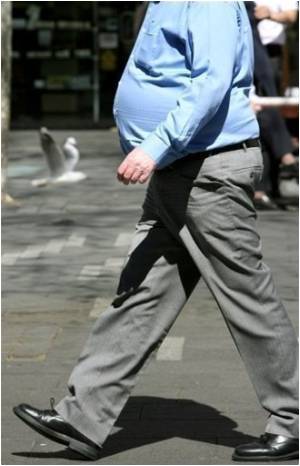
In humans, men are more likely to carry extra weight around their guts while pre-menopausal women store it in their butts, thighs and hips.

High Cholesterol | Hypercholesterolemia - Causes, Symptoms, Diagnosis & Treatment
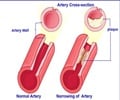
High cholesterol level in blood are a risk for heart disease and stroke. They get deposited in the wall of the arteries and clog the circulation posing a threat to life.
High cholesterol level in blood are a risk for heart disease and stroke. They get deposited in the wall of the arteries and clog the circulation posing a threat to life.
"Although our new findings don't explain why women begin storing fat in their bellies after menopause, the results do bring us a step closer to understanding the mechanisms behind the unwanted shift," Dr. Clegg said.

Body Mass Index
The BMI calculator helps you assess your weight indicating if it is normal or if you are underweight or overweight, based on your height.
The BMI calculator helps you assess your weight indicating if it is normal or if you are underweight or overweight, based on your height.
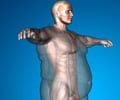
Because the fat distribution patterns of male and female mice are similar to those of humans, the researchers used the animals to compare genes from the belly and hip fat pads of male mice, female mice and female mice whose ovaries had been removed - a condition that closely mimics human menopause. Waist and hip fat (subcutaneous fat) generally accumulates outside the muscle wall, whereas belly fat (visceral fat), a major health concern in men and postmenopausal women, develops around the internal organs.
"The fat of the female mice whose ovaries had been removed was inflamed and was starting to look like the unhealthy male fat," Dr. Clegg said. "However, estrogen replacement therapy in the mice reduced the inflammation and returned their fat distribution to that of mice with their ovaries intact."
Dr. Clegg said the results suggest that hormones made by the ovaries may be critical in determining where fat is deposited.
Source-ANI
THK
 Email
Email