MEDINDIA
 English
 हिन्दी
 Español
 français
 中文
中文

Excessive time in bed might feel like comfort, but when it turns into chronic withdrawal, it can signal deeper mental and physical health concerns.
Highlights:
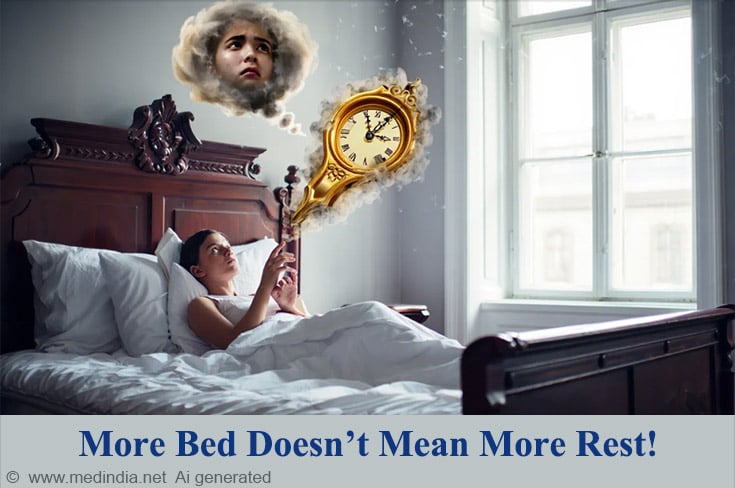
It’s a rainy Sunday morning. You wake up, check your phone, and think that you are not yet ready to face the day. You take your laptop, order some comfort food, and snuggle under blankets. One hour turns into five. Suddenly, the sun is down, your limbs ache from idleness, and you are more tired than you were on waking up (1✔ ✔Trusted Source- Staying in bed for too long can lead to fatigue, poor sleep, and a lower mood
- Digital distractions worsen dopamine imbalance and emotional detachment
- Chronic bed rotting can be a sign of burnout, anxiety, or depression
What Is Bed Rotting?
Go to source). This is what the essence of bed rotting is all about: a trend that has characterized social media, where people decide to lie in bed for hours, or even days, doing the bare minimum. Browsing on TikTok, you will see people glamorizing this behavior with such captions as “bed rotting till further notice” or “my depression nest.” Although it might seem to be self-care, the experts warn against over-indulging in this habit because it can do more harm than healing.

Lazy Children may Face Chronic Health Problems
Children who are lazy and inactive may later face chronic health problems, says a study that advices parents of such children to take steps before it is too late.
Children who are lazy and inactive may later face chronic health problems, says a study that advices parents of such children to take steps before it is too late.
TOP INSIGHT

Did You Know?
Spending too long in bed can disrupt your sleep cycle and mimic symptoms of depression. #bedrotting #medindia
When Rest Turns Risky
It is not an issue to stay home and rest for a day. Rest is vital! The problem starts when the bed becomes something more than just a sleeping place—it becomes an escape from life.According to the Sleep Foundation, prolonged time spent in bed, particularly when not sleeping, can confuse the brain’s internal clock. Your body unlearns to relate the bed to sleep and begins to connect it to such passive activities as watching Netflix, doom-scrolling, or eating junk food. This messes up your sleep pattern, i.e., your circadian rhythm, making it difficult for you to sleep at night and difficult for you to stay awake during the day.
What seems to be “recovery” can turn into fatigue, mood swings, and a looming sense of emptiness in no time.

Tips for Good Night’s Sleep
Can’t seem to sleep calmly? Try these tested and approved tips and tricks from physicians and consultants around the globe to doze off in a buzz.
Can’t seem to sleep calmly? Try these tested and approved tips and tricks from physicians and consultants around the globe to doze off in a buzz.
How Doing Nothing Does Something
A study published in the journal Sleep Science found that those people who deliberately prolonged their sleep duration in bed (without increasing their sleep duration) had a wide range of negative symptoms.- Daytime drowsiness
- Lower mood
- Declining sleep quality
- Cognitive dullness

Being a Night Owl can Make Teen Girls More Fat
Are you a night owl? Watch out, poor sleep and staying up late at night can cause excess weight gain among teen girls.
Are you a night owl? Watch out, poor sleep and staying up late at night can cause excess weight gain among teen girls.
Digital Comfort That Isn’t Comforting
Most of those who suffer from bedrot aren’t just lying in bed, staring at the ceiling. They’re usually stuck to the screen, watching TV, or they are scrolling through TikTok/IG/Reddit for hours.This forms what experts say to be a dopamine feedback loop. You’re giving your brain a constant hit of pleasure on a shallow, transient level. The result? Desensitized happiness and an increase in detachment from reality.
Apparently, according to an Amerisleep survey, many Americans prefer to stay in bed as a way of coping over exercise, hobbies, socializing, and fresh air. In that quest, however, they are unconsciously widening the emotional divide and digging in patterns that further undermine the ability to explore aliveness (2✔ ✔Trusted Source
Negative Effects of Time in Bed Extension: A Pilot Study
Go to source).
For many, bed rotting isn’t about laziness—it’s about exhaustion, depression, or anxiety. It can feel like the only way to escape a life that feels overwhelming, thankless, or meaningless.
When bed rotting becomes chronic, it often isn’t self-care—it’s a cry for help!
Psychiatrists cite isolation, oversleeping, and aversion as the flags for mental disorders. Long-term bed rotting can be covering up an underlying condition that requires professional assistance. And the longer it is left untreated, the more difficult it is to break the cycle.
It’s okay to rest. But it’s also okay to ask, Why do I feel the need to hide from the world?”

Teens Who Stay Up Late are Three Times Likely to Develop Asthma, Allergies
Teenagers who prefer to stay up all night, sleep in the early morning hours, and wake up later are more likely to develop asthma and allergies, reports a new study.
Teenagers who prefer to stay up all night, sleep in the early morning hours, and wake up later are more likely to develop asthma and allergies, reports a new study.
The Body Also Keeps Score
The physical effects of bed rotting are real too! The human body is not designed for prolonged inactivity. When you sleep too much in bed.- Muscles begin to weaken
- Joints stiffen
- Blood flow decreases
- Posture deteriorates
- Rising risk of weight gain, cardiovascular issues, and metabolic disorders.
The Alternative: Resting with Purpose
There is a great contrast between resting and withdrawing. True rest replenishes you. It could be something that looks like taking a nap, going for a walk, journaling, watching a feel-good movie, or talking to a friend. Choosing deliberate silence is more important than unintentional avoidance! (3✔ ✔Trusted SourceThe Rise of Bed Rotting: How and Why Americans Are Doing It
Go to source)
You do not need to jump out of your bed and run a marathon. At times, it can be sufficient simply to pull back the curtains, stretch, take a shower, or take, 5 minutes of fresh air. Little moves create great changes.
And if you are stuck in the bed-rotting cycle, talk to someone. A friend. A family member. A therapist. You deserve something more than numbness—you deserve connection, self-awareness, and care.
Rotting in bed may seem like taking temporary leave of your sanity, but it is at the expense of your long-term well-being. Beneath this comfy blanket of comfort lies a slow deterioration of energy, identity, and purpose. It is high time that we change the debate.
References:
- What Is Bed Rotting? - (https://www.sleepfoundation.org/sleep-hygiene/what-is-bed-rotting)
- Negative Effects of Time in Bed Extension: A Pilot Study - (https://pmc.ncbi.nlm.nih.gov/articles/PMC4217706/)
- The Rise of Bed Rotting: How and Why Americans Are Doing It - (https://amerisleep.com/blog/bed-rotting-survey/)
Source-Medindia
 Email
Email