MEDINDIA
 English
 हिन्दी
 Español
 français
 中文
中文
Cravings and consumption of calorie-dense snack foods are affected by magnetic stimulation of a brain area involved in executive function , reports a study.
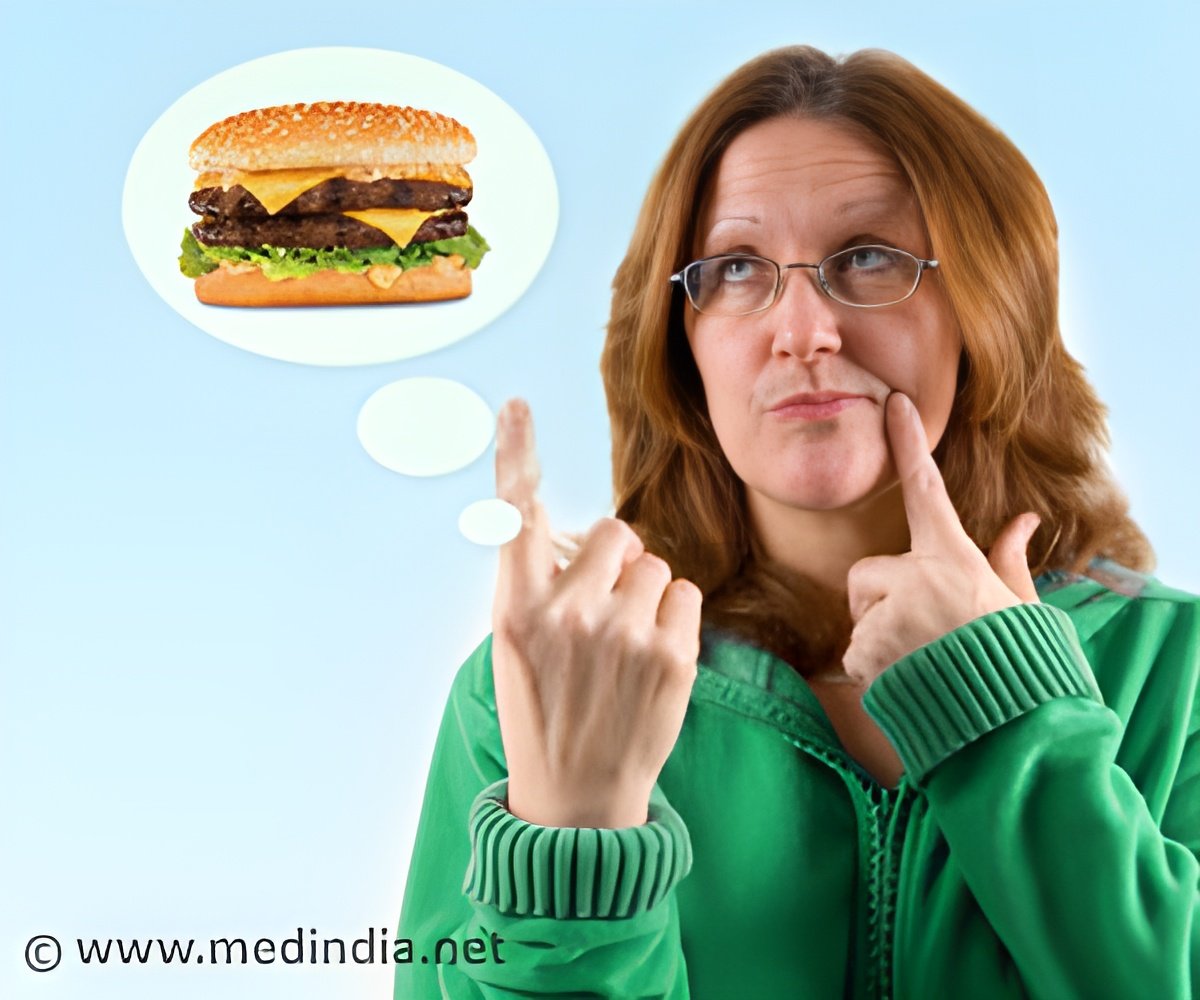
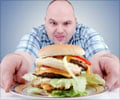
Food Cravings-What Do They Really Mean?
Cravings often signify some need-whether nutritional or mental. Read on to find out if it’s really your sweet tooth or something else.
Cravings often signify some need-whether nutritional or mental. Read on to find out if it’s really your sweet tooth or something else.
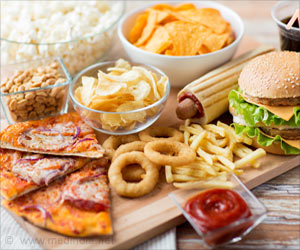
After theta-burst stimulation, the women reported stronger food cravings—specifically for "appetitive" milk chocolate and potato chips. During a subsequent "taste test," they consumed more of these foods, rather than alternative, less-appetitive foods (dark chocolate and soda crackers).
Stimulation to weaken DLPFC activity was also associated with lower performance on a test of inhibitory control strength (the Stroop test). Decreased DLPFC activity appeared to be associated with increased "reward sensitivity"—it made the participants "more sensitive to the rewarding properties of palatable high caloric foods," the researchers write.

Amazing Ways to Beat the Food Cravings
Can’t get rid of that uncontrollable urge to grab something sweet, or super-salty? We’ve just made it easy. Read on…
Can’t get rid of that uncontrollable urge to grab something sweet, or super-salty? We’ve just made it easy. Read on…
At the "basic neurobiological level," the study provides direct evidence that the DLPFC is involved in one specific aspect of food cravings: reward anticipation. People with weak executive function may lack the dietary self-control necessary to regulate snack food consumption in "the modern obesogenic environment." Faced with constant cues and opportunities to consume energy-dense foods, such individuals may be more likely to become overweight or obese.
Simple Tips to Control Food Cravings Revealed
Simple ways to deal with intense food cravings have been revealed.
Simple ways to deal with intense food cravings have been revealed.
Source-Eurekalert
Monster Drug Reduces Food Cravings
A drug from Gila monster saliva effectively reduces carvings for food, say researchers.
A drug from Gila monster saliva effectively reduces carvings for food, say researchers.
 Email
Email