MEDINDIA
 English
 हिन्दी
 Español
 français
 中文
中文
Excessive screen time is driving a rise in myopia and astigmatism, causing blurred vision and long-term eye strain risks.
Myopia (Nearsightedness)
Go to source) (nearsightedness) and astigmatism, particularly among children, young adults, and IT professionals. Eye specialists attribute this trend to excessive screen exposure, reduced outdoor activity, and demanding academic and work schedules.

Overcoming Popcorn Brain Syndrome in the Digital Age
Can screen time really cause popcorn brain syndrome? Discover how digital overload impacts focus, mood, and sleep—and what you can do to regain balance.
Can screen time really cause popcorn brain syndrome? Discover how digital overload impacts focus, mood, and sleep—and what you can do to regain balance.
TOP INSIGHT

Eye doctors in Bengaluru are sounding the alarm! They've seen a sharp rise in #myopia and #astigmatism over the last decade, linking the surge to increased #screentime and less time outdoors. #EyeHealth #Bengaluru
Refractive Errors: A Growing Concern
Refractive errors occur when the eye is unable to focus light correctly, causing blurred vision. In Karnataka, cases of myopia and astigmatism have seen a sharp spike in recent years, most notably among children aged 8–15 and young adults aged 20–35.If not detected early, these conditions can lead to complications such as lazy eye in children, while adults often face issues like eye strain, headaches, and reduced productivity. Specialists stress the importance of regular eye screenings and timely treatment to prevent long-term vision problems.
Myopia
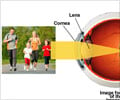
Myopia is the inability of a person to see the distant objects clearly. Myopia is also known as near or short sightedness.
Myopia is the inability of a person to see the distant objects clearly. Myopia is also known as near or short sightedness.
The Role of Advanced LASIK
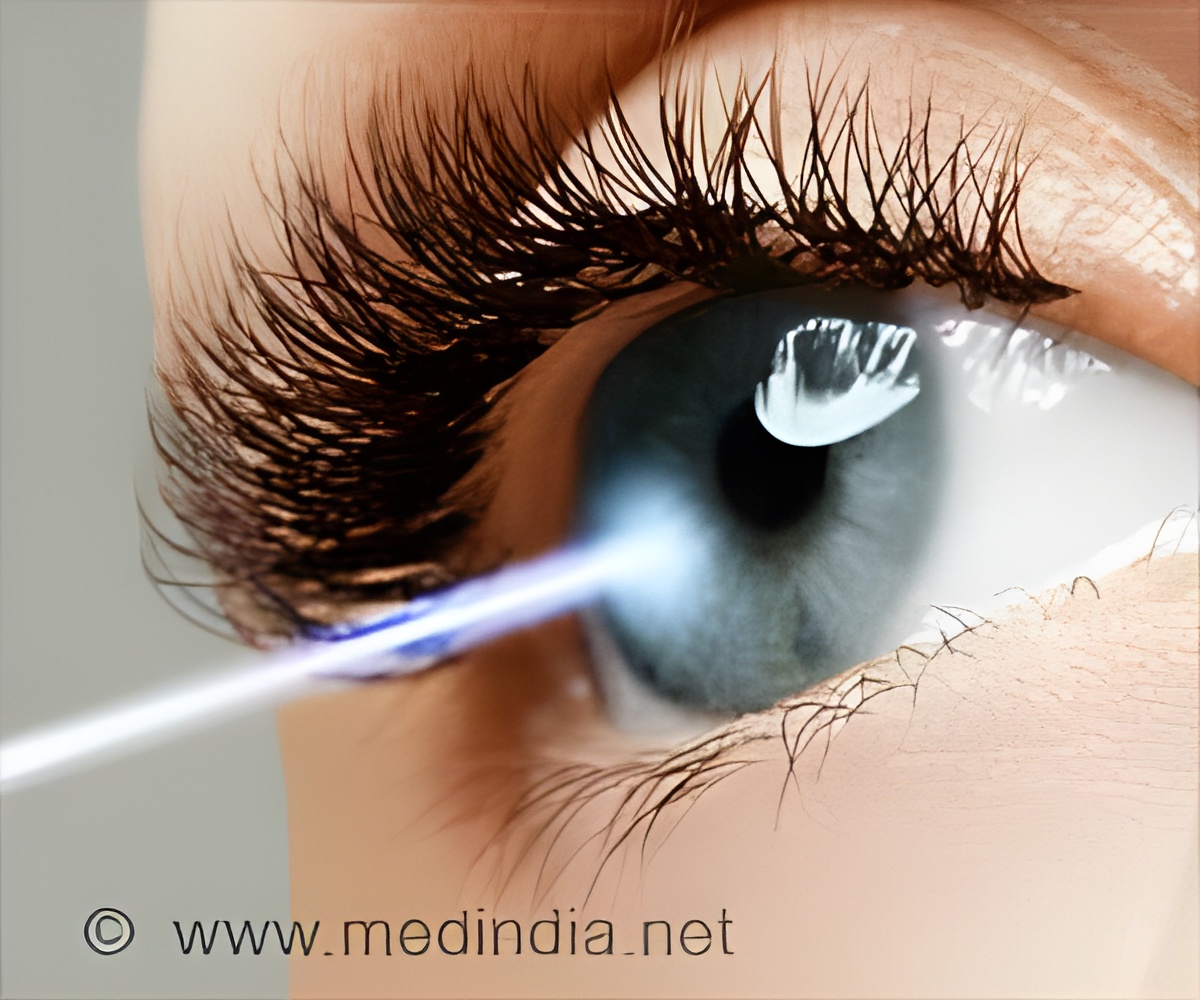
To address this surge, next-generation topography-guided LASIK systems such as Contoura Vision technology are being introduced in Bengaluru. Unlike conventional LASIK, which offers a one-size-fits-all approach, Contoura maps up to 22,000 unique points on the cornea, allowing for highly personalized treatment.This advanced technique not only corrects common refractive errors—myopia, hyperopia, and astigmatism—but also targets microscopic corneal irregularities that glasses or standard LASIK often miss. The result is sharper, more natural vision, faster recovery, and fewer side effects such as glare, halos, and poor night vision.

LASIK Surgery and Medical Tourism
Get a LASIK done for laser- sharp eyes. If traveling abroad for treatment Consult Us First for affordable options.
Get a LASIK done for laser- sharp eyes. If traveling abroad for treatment Consult Us First for affordable options.
Beyond Cosmetic Correction
Experts highlight that refractive surgery today is about much more than eliminating the inconvenience of glasses or contact lenses. It’s about improving comfort, productivity, and long-term eye health. Advanced LASIK procedures allow patients to resume normal activities within 48–72 hours, making it a practical option for working professionals and students.By treating Higher Order Aberrations (HOAs)—tiny distortions in the eye that standard methods cannot fix—this technology provides a level of precision and clarity unmatched by earlier solutions, particularly enhancing night vision.
Eye Health Outlook for Bengaluru
With screen use expected to remain high across urban India, eye health experts believe the city needs a stronger focus on preventive care. Simple steps such as limiting screen time, encouraging outdoor play for children, and undergoing regular vision checks can make a big difference in reducing the burden of refractive errors.As Bengaluru continues to grapple with rising cases, advanced laser treatments are emerging as a critical tool in restoring vision, reducing dependency on glasses, and ultimately safeguarding the quality of life for its residents.
Everyday Eye Care Tips
While advanced technology offers effective solutions, specialists emphasize that preventive care is the first line of defense against refractive errors.Simple lifestyle changes can go a long way in protecting vision:
- Follow the 20-20-20 rule (look at something 20 feet away for 20 seconds every 20 minutes of screen time).
- Ensure adequate breaks from digital devices, encourage outdoor activities for children.
- Maintain a balanced diet rich in vitamin A, omega-3 fatty acids, and antioxidants.
- Schedule regular eye checkups to detect problems early.
- Use proper lighting while reading or working, and limit late-night screen exposure to reduce eye strain.
- Myopia (Nearsightedness) - (https://my.clevelandclinic.org/health/diseases/8579-myopia-nearsightedness)
 Email
Email