MEDINDIA
 English
 हिन्दी
 Español
 français
 中文
中文
‘Zombie squirrels’ with grotesque, oozing warts are alarming residents as sightings spread across US backyards.
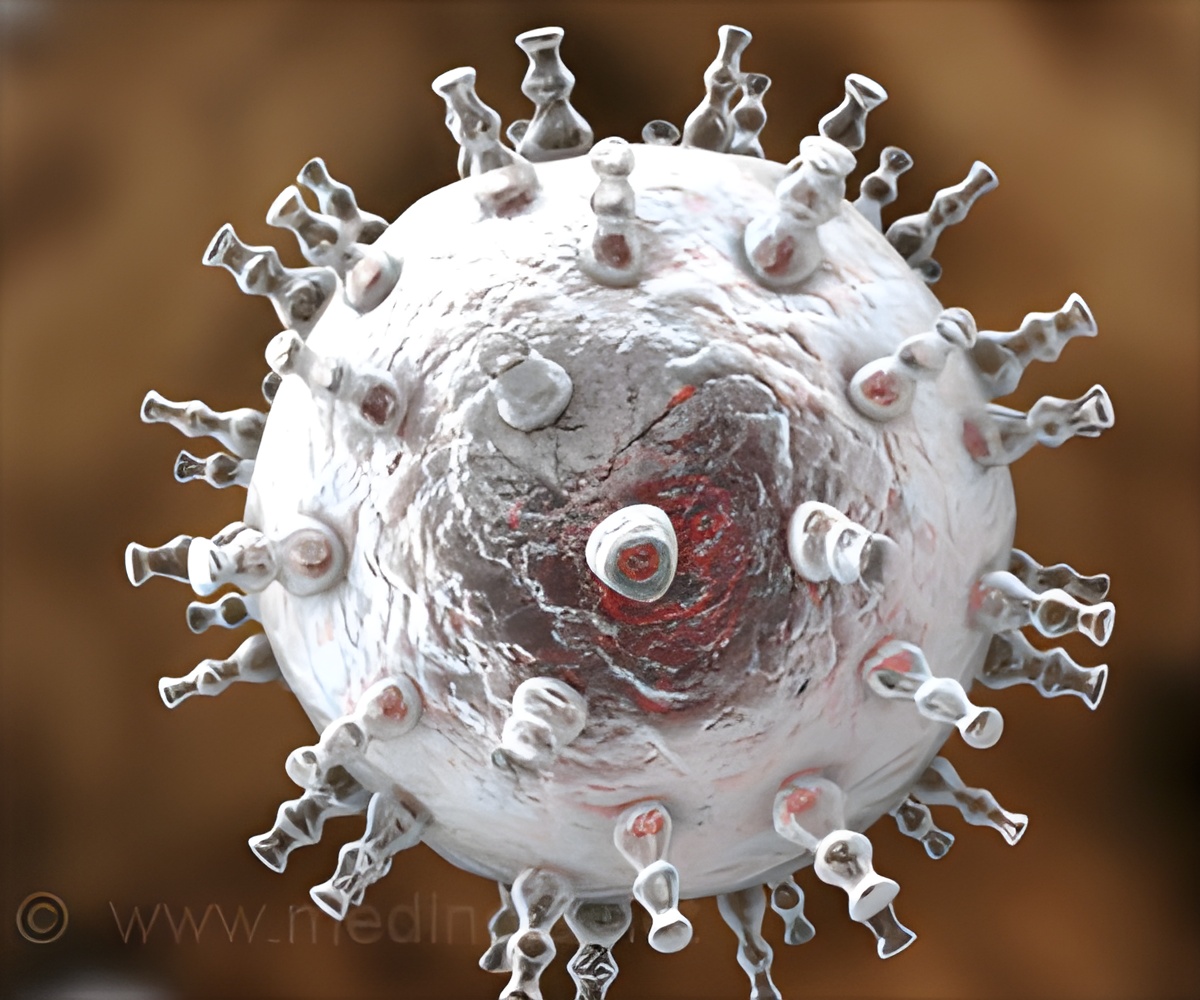

Yosemite Campground Temporarily Closed as Dead Squirrels Test Positive for Plague
As a precautionary public health measure, flea treatment will be applied to rodent burrows to reduce risk of human exposure and break the plague cycle in rodents.
As a precautionary public health measure, flea treatment will be applied to rodent burrows to reduce risk of human exposure and break the plague cycle in rodents.
TOP INSIGHT

#Zombie Squirrels are real. Residents across the US are reporting alarming sightings of #squirrels with grotesque, oozing #warts. Stay safe out there! #ZombieSquirrels #SFV #SmallPox
What is Squirrel Fibroma Virus?
Experts say the culprit is squirrel fibroma virus (SFV), (1✔ ✔Trusted SourceSQUIRREL POX
Go to source) a poxvirus that’s been documented since the 1950s. Unlike its infamous cousin, smallpox, SFV doesn’t threaten humans. Instead, it causes benign tumors—called fibromas—on squirrels’ heads, limbs, and bodies.
Squirrel pox is a viral disease that primarily affects red squirrels and is caused by the squirrelpox virus, a type of poxvirus. The disease produces severe skin lesions, scabs, and ulcers, particularly around the face, paws, and genital area, making it difficult for affected squirrels to eat or move.
While gray squirrels can carry the virus without showing symptoms, red squirrels are highly vulnerable and often die within weeks of infection.
The virus is spread mainly through biting insects like fleas and mosquitoes, as well as direct squirrel-to-squirrel contact.
Although squirrel pox is devastating for squirrel populations, especially in the UK where it has contributed to red squirrel decline, it does not pose a risk to humans. “These growths look far more frightening than they are,” said James Parkhurst, associate professor of wildlife science at Virginia Tech. “In most cases, the animals survive and the tumors regress naturally.”
The virus spreads mainly through mosquitoes and fleas, though direct contact between squirrels can also pass it on. Gray squirrels are most often affected, but other species may develop fibromas as well.

Study Finds Opportunity Leads to Promiscuity Among Squirrels
Female squirrels are promiscuous depending on how many males are knocking at their door, University of Guelph researchers have revealed.
Female squirrels are promiscuous depending on how many males are knocking at their door, University of Guelph researchers have revealed.
Why It Looks So Bad
The large, bloody lesions can obstruct vision, make movement difficult, or impair eating. This, coupled with their grotesque appearance, has fueled fear online. Social media users have dubbed the animals “zombie squirrels,” with some comparing them to monsters from The Last of Us.One Reddit user in July wrote: “At first I thought it was eating something from my garden beds, but then I realized the growths were on its face.”
Smallpox
Smallpox is a deadly contagious infection that is caused by strains of variola virus — a member of the orthopoxvirus family.
Smallpox is a deadly contagious infection that is caused by strains of variola virus — a member of the orthopoxvirus family.
Should You Be Worried?
The good news: there’s no evidence that SFV spreads to humans. Parkhurst and other experts stress that people should avoid handling infected squirrels, but the virus poses no direct health risk.“Given the limited number of cases each year and the fact that most people have very little physical contact with squirrels, there has been no documented transmission to humans,” Parkhurst told Newsweek.
Japan Approves Smallpox Vaccine for Monkeypox
Monkeypox has been declared as a global health emergency by the World Health Organization (WHO).
Monkeypox has been declared as a global health emergency by the World Health Organization (WHO).
What Happens Next
Outbreaks typically occur between late spring and late summer, coinciding with high mosquito activity. Squirrels often recover within four to six months, though young squirrels with weaker immune systems are more vulnerable.Experts advise residents to:
- Avoid contact with affected squirrels.
- Eliminate standing water on their property to reduce mosquito populations.
- Let nature take its course—most squirrels will recover without human intervention.
Reference:
- SQUIRREL POX - (https://dnr.wisconsin.gov/topic/wildlifehabitat/disease/Squirrelpox)
 Email
Email