MEDINDIA
 English
 हिन्दी
 Español
 français
 中文
中文
Pneumonia vaccine protects older adults from severe illness, hospitalization, and life-threatening risks.
Association Between Introduction of the 23-valent Pneumococcal Polysaccharide Vaccine (PPSV23) and Pneumonia Incidence and Mortality Among General Older Population in Japan: A Community-based Study
Go to source)
Pneumonia: A Major Killer of Seniors in Japan
Pneumonia is one of the leading causes of death in Japan. Each year about 74,000 people die from pneumonia with 98 percent of these deaths occurring in people aged 65 and older. The bacteria Streptococcus pneumoniae is the primary cause of pneumonia.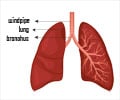
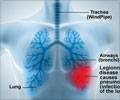
Pneumonia
Pneumonia is a lung infection that can be caused by a bacteria or a virus. It causes inflammation of the alveoli or the air sacs of the lungs.
Pneumonia is a lung infection that can be caused by a bacteria or a virus. It causes inflammation of the alveoli or the air sacs of the lungs.
TOP INSIGHT

Could the #pneumonia_vaccine be less effective than we think for #older_adults? New data reveals an incidence rate of 20.3 cases per 1,000 person-years in #vaccinated seniors. #Vaccination #ElderlyCare
Sera Town, a mountainous municipality in eastern Hiroshima Prefecture, jointly planned and implemented a pneumococcal vaccination support program with a research team at Hiroshima University in October 2010—well before the nationwide rollout. The program, which ran until March 2015, aimed to promote community health and provided PPSV23 vaccination to all residents aged 65 and older. The vaccine used in the project was approved in Japan at the time for elderly individuals. As part of this collaborative initiative, a five-year follow-up survey was conducted to assess the vaccine’s preventive effect against pneumonia.
“Specifically, we sought to understand the impact of the PPSV23 vaccine on pneumonia incidence and mortality among the elderly population in a rural setting with a high aging rate,” said Aya Sugiyama, a lecturer in the Department of Epidemiology Disease Control and Prevention at the Graduate School of Biomedical and Health Sciences, Hiroshima University. The Sera Town residents who took part in the project ranged in age from 70 to 114 years old, with a median age of 84.
Quiz on Pneumonia
Pneumonia is a serious respiratory tract infection that is often life-threatening in the elderly, children or those with reduced immunity. See how much you know about pneumonia by taking this ...
Pneumonia is a serious respiratory tract infection that is often life-threatening in the elderly, children or those with reduced immunity. See how much you know about pneumonia by taking this ...
Evaluating the Impact of Vaccination Programs on Mortality in Japan's Super-Aged Society
To assess changes in mortality following the introduction of the vaccination program, the researchers used aggregated demographic data from Japan’s vital statistics covering the years 2000 to 2016. They applied an interrupted time series analysis to quantify the level and trend changes in mortality rates over time, specifically looking at the mortality rates before and after the vaccination project was introduced in the town. The study aimed to generate real-world evidence on the effectiveness of vaccination support programs in super-aged societies.Their analysis of the data showed them that the pneumococcal vaccination support program for older residents in Sera Town was associated with a 25 percent reduction in pneumonia-related mortality. “Notably, it reversed the previously increasing trend in pneumonia mortality in the community,” said Sugiyama.
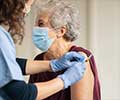
Are You a Grandparent? These Vaccines are Important
Learn why vaccines are crucial for older adults and which ones you need to stay healthy. Stay informed about geriatric vaccines!
Learn why vaccines are crucial for older adults and which ones you need to stay healthy. Stay informed about geriatric vaccines!
The research team sees the findings as particularly relevant for Japan, which has the most aged population in the world.
Immunization
Protect your child from various deadly diseases by giving the vaccinations at the right age. This tool helps you schedule the vaccinations of your child.
Protect your child from various deadly diseases by giving the vaccinations at the right age. This tool helps you schedule the vaccinations of your child.
Reference:
- Association Between Introduction of the 23-valent Pneumococcal Polysaccharide Vaccine (PPSV23) and Pneumonia Incidence and Mortality Among General Older Population in Japan: A Community-based Study - (https://www.jstage.jst.go.jp/article/jea/35/5/35_JE20240285/_article)
 Email
Email