MEDINDIA
 English
 हिन्दी
 Español
 français
 中文
中文
Identifying factors that protect against age-related cognitive decline can guide interventions to reduce Alzheimer’s risk.
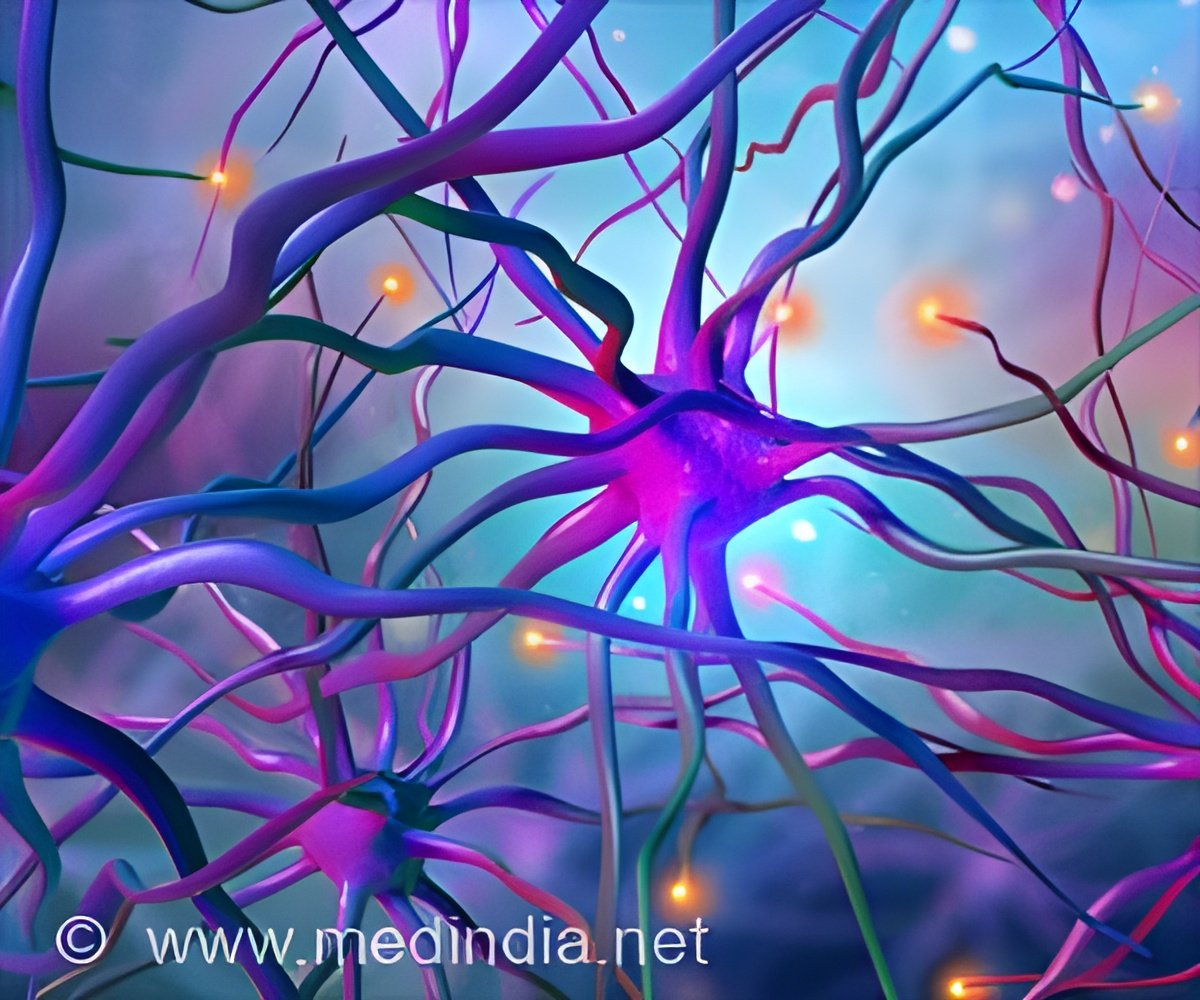
Pathway analysis of cognitive resilience factors and cognitive function in the Long Life Family Study (LLFS).
Go to source). They discovered that adults without a family background of longevity who regularly took part in mentally engaging activities—like reading, writing, playing games, or visiting museums—achieved cognitive performance on par with peers who had long-lived relatives.

Alzheimers Disease
Alzheimer''s disease is a progressive neurodegenerative disease affecting memory and thinking and making the person increasingly dependent on others.
Alzheimer''s disease is a progressive neurodegenerative disease affecting memory and thinking and making the person increasingly dependent on others.
TOP INSIGHT

Actionable Tip for #HealthyAging! To build #resilience as you get older, focus on cognitively-stimulating activities and keep learning! This simple daily choice is a powerful #HealthyBehavior. Celebrate the #InternationalDayOfElders by picking up a new skill today! #Seniors
Regular Mental Activity Matches the Brain Health of Those with Long-Lived Relatives
This effect was especially strong for executive function and language skills. However, when activity levels were similar, those with a family history of longevity still showed stronger memory abilities compared to those without it.“Our findings highlight the importance of keeping your mind engaged in various activities to maintain cognitive health. If there is something that sparks your curiosity, go learn more about it, and you might just help protect your brain too,” says senior author Stacy Andersen, PhD, assistant professor of medicine at Boston University Chobanian & Avedisian School of Medicine and co-director of the New England Centenarian Study.
Using data from the National Institute on Aging-funded Long Life Family Study, a study of genetic and familial factors associated with longevity and healthy aging, the researchers administered a series of cognitive tests and a questionnaire on participation in cognitively stimulating activities. They compared people from these long-lived families to people without a family history of longevity. The analysis assessed how both inherited and behavioral protective factors contribute to cognitive function in older adulthood.

Mini-Mental Scale (Cognitive Function Test)
The MMSE (Mini-Mental State Examination) is a standardized screening test that is used for easy and fast assessment of the various aspects of cognition in a person.
The MMSE (Mini-Mental State Examination) is a standardized screening test that is used for easy and fast assessment of the various aspects of cognition in a person.
Modeling the Interplay of Longevity, Education, and Lifestyle Factors
“By modeling a chain of pathways of these factors on cognitive function, we can not only better understand the individual and combined roles of familial longevity, education and cognitive activity on patterns of cognitive aging (e.g. how modifiable life exposures may offset the absence of familial longevity), but also compare the relative impact of these factors on cognitive function,” explained corresponding author Nicole Roth, MS, a biostatistician affiliated with the school.According to the researchers, identifying the underlying factors that appear to buffer against age-related cognitive change can help us design and promote interventions that would prevent the more severe changes in cognitive impairment associated with Alzheimer's disease.
13 Daily Habits that Damage the Brain
The brain is probably the most important organ in our body and it deserves special care and attention to keep it active and functioning well. Here are thirteen daily habits, you must know that can cause damage to your brain.
The brain is probably the most important organ in our body and it deserves special care and attention to keep it active and functioning well. Here are thirteen daily habits, you must know that can cause damage to your brain.
Reference:
- PsycArticles: Journal Article Pathway analysis of cognitive resilience factors and cognitive function in the Long Life Family Study - (https://psycnet.apa.org/doiLanding?doi=10.1037%2Fneu0001039)
Source-Eurekalert
Ten Super Foods to Boost your Brain Power
Enhance your brain health by adding super foods to your daily diet. Here are 10 of them.
Enhance your brain health by adding super foods to your daily diet. Here are 10 of them.
 Email
Email