MEDINDIA
 English
 हिन्दी
 Español
 français
 中文
中文
AI chatbots with multimodal learning are redefining how endoscopy is performed by aiding real-time decision-making and improving diagnostic accuracy.
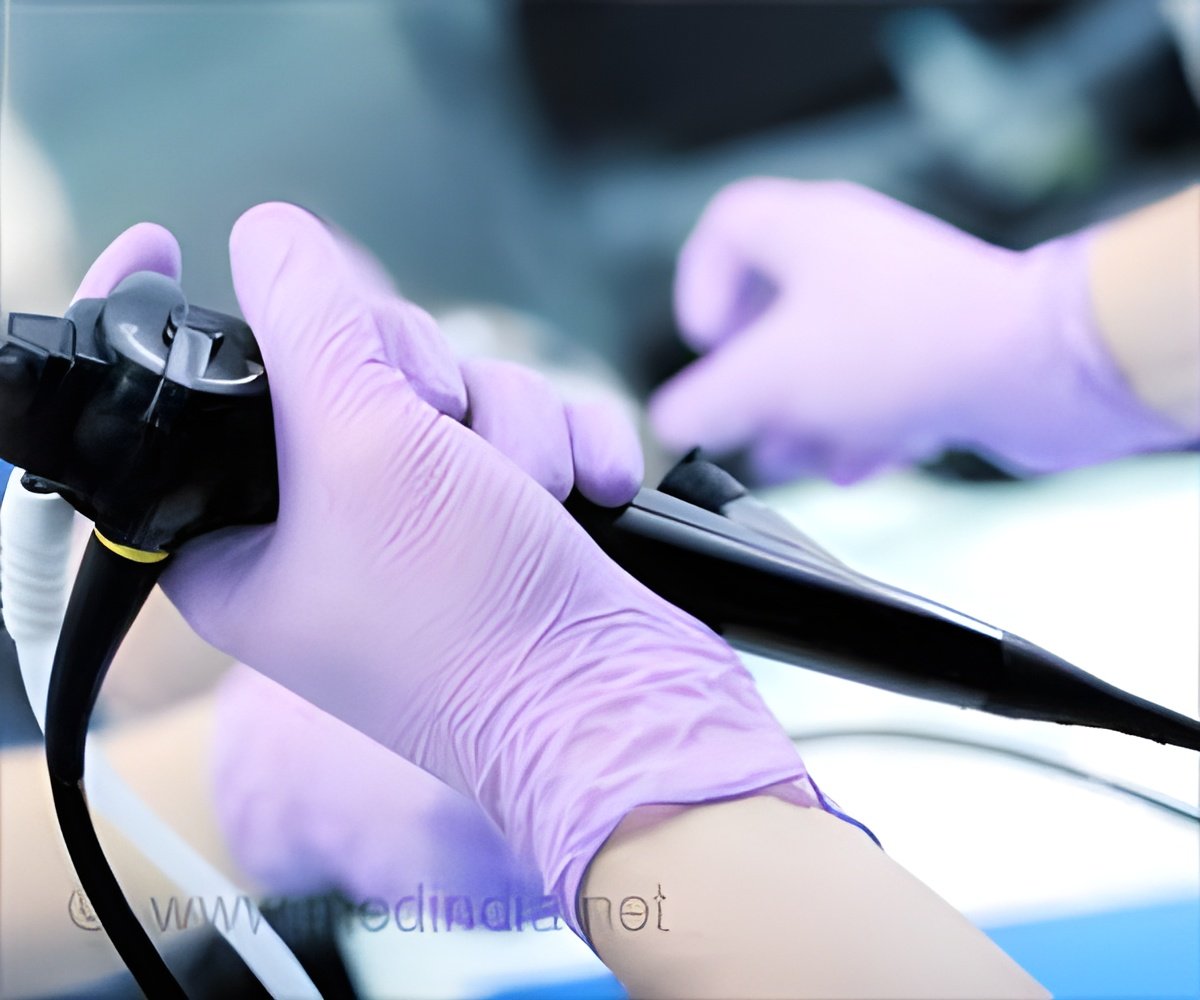
Enhancing gastroenterology with multimodal learning: the role of large language model chatbots in digestive endoscopy
Go to source). With the rapid development of artificial intelligence, particularly large language models (LLMs)—we are entering a phase where chatbots can engage in real-time conversations with gastroenterologists. What about the secret sauce? Multimodal learning: the capability to comprehend and read information in text, image, and even speech.

Quiz on Endoscopy
Join our engaging endoscopy quiz! Delve into the world of endoscopy and uncover its significance in medical diagnostics. Learn about the procedure's purpose, potential discomfort, and post-care essentials. Explore whether eating is permitted ...
Join our engaging endoscopy quiz! Delve into the world of endoscopy and uncover its significance in medical diagnostics. Learn about the procedure's purpose, potential discomfort, and post-care essentials. Explore whether eating is permitted ...
TOP INSIGHT

Endoscopy meets AI: Smarter decisions, real-time support, and diagnostic power in one assistant. #aiinhealthcare #medindia
Beyond the Image: Why One Dimension Isn’t Enough
Conventional AI in digestive endoscopy was similar to observing an ultra-focused photo without a narrative. These earlier models only dealt with visual inputs and sometimes found it hard to make proper decisions in the absence of patient context.Doctors do not operate in such a way, and neither does AI now.
Multimodal AI combines:
- What’s seen: Endoscopy visuals,
- What’s known: Clinical history and reports,
- What’s been learned: Medical literature,
- What’s being asked and answered: Interactive conversation

Endoscopy Simulators for Training and Skill Assessment
The use of endoscopy simulators for training and assessing skills is addressed by the ASGE's new initiative.
The use of endoscopy simulators for training and assessing skills is addressed by the ASGE's new initiative.
AI Chatbots Redefining Digestive Endoscopy
The current generation of chatbots based on LLM is not designed to offer simplistic health FAQs anymore, but rather are part of the clinical reasoning process. They can interpret images, making recommendations for diagnoses, and making decisions when conducting procedures in the endoscopy suite.The AI assistants also summarize findings into clear, standardized reports and translate complex medical language into terms that are easily understood by patients in real time. They remain completely current with research and clinical guidelines, and operate as expert peers on-call 24/7, always informed, and able to recall every available medical paper that has ever been published.

New Endoscopic Technique Detects Upper Gastrointestinal Cancers
Linked Color Imaging (LCI), a novel endoscopic technique, improves cancer detection by viewing the upper digestive tract mucosa.
Linked Color Imaging (LCI), a novel endoscopic technique, improves cancer detection by viewing the upper digestive tract mucosa.
How It Works
The true innovation of these systems is how they are trained. With self-supervised learning, the AI instructs itself by identifying patterns from millions of medical images and text records that are already fed. Domain adaptation enables the AI to accommodate variations in patients, endoscopic devices, and image quality, making it more adaptable and generalizable for clinical use.The crucial factor is explainability: the AI not only provides answers but also reveals the reasoning behind them, allowing clinicians to understand why a particular suggestion was made. Systems, such as EndoChat and EndoBench, are already competing with traditional AI systems in detecting early-stage polyps and rare gastrointestinal anomalies, which will radically change the application of medical AI.
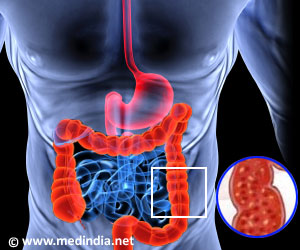
Over-the-Scope Clip Found to be Safe and Effective in Treating Gastrointestinal Defects
Opting for an over-the-scope clip placement for the closure of gastrointestinal defects has been found to be a safe and effective therapy.
Opting for an over-the-scope clip placement for the closure of gastrointestinal defects has been found to be a safe and effective therapy.
Now As A Real-time Assistant
Multimodal chatbots are proving their worth in real settings. They're speeding up capsule endoscopy analysis and aiding in robotic surgeries by understanding both images and context. Rather than replacing clinicians, they enhance their decision-making and reduce cognitive load.Proceed with Caution
Technology can never be flawless. However, there are challenges:
- Bias: Provided that the training data is not diverse enough, the model may fail to recognize or read some of the conditions.
- Hallucinations: LLMs may also make things up. (Yes, even in medicine.)
- Integration hurdles: Building AI into the delicate rhythm of a clinical workflow takes planning and trust.
LLM-driven multimodal AI marks a powerful shift in gastroenterology. It is not just about seeing better, but about understanding better. These smart systems, when refined further, offer a future where endoscopies are safer, faster, and more accurate.
Reference:
- Enhancing gastroenterology with multimodal learning: the role of large language model chatbots in digestive endoscopy - (https://pmc.ncbi.nlm.nih.gov/articles/PMC12133735/)
Source-Higher Education Press
 Email
Email