MEDINDIA
 English
 हिन्दी
 Español
 français
 中文
中文

Broccoli and kale outperform starchy vegetables in keeping blood sugar stable, according to the latest VESSEL study.
Highlights:
We often assume all vegetables are equally good for health. But when it comes to controlling blood sugar, not all greens are created equal. A new randomized controlled trial has found that cruciferous vegetables — including broccoli, cabbage, cauliflower, and kale — stabilize post-meal blood sugar far better than starchy root vegetables like potatoes, carrots, and pumpkin. This discovery could have major implications for diabetes prevention and metabolic health worldwide (1✔ ✔Trusted Source- Cruciferous vegetables stabilize post-meal glucose better than roots
- Potatoes, pumpkin, and carrots trigger higher glucose variability
- Adding broccoli, cabbage, and kale may aid diabetes prevention
Cruciferous vegetables improve glycaemic control compared to root/squash vegetables in a randomized, controlled, crossover trial: The VEgetableS for vaScular hEaLth (VESSEL) study
Go to source).

Broccoli Sprouts Help In Treating Type 2 Diabetes
Globally, more than 300 million people are affected with Type 2 diabetes, and when given concentrated broccoli sprout, fasting blood glucose levels decreased.
Globally, more than 300 million people are affected with Type 2 diabetes, and when given concentrated broccoli sprout, fasting blood glucose levels decreased.
TOP INSIGHT

Did You Know?
Not all veggies are equal - broccoli balances blood sugar, potatoes spike it. #diabetesfriendly #bloodsugarcontrol #healthyeating #medindia
What the VESSEL Study Revealed
The Vegetables for Vascular Health (VESSEL) study, published in Diabetes, Obesity and Metabolism, tested whether cruciferous vegetables offered unique benefits for glucose regulation compared to starchy vegetables.- Participants: 18 older adults (median age 68, mostly women) with mild hypertension but no diabetes.
- Design: Randomized, crossover trial — participants ate 600 mL of soup daily for two weeks made from either cruciferous vegetables or root/squash vegetables, followed by a washout and switch.
Soup composition:
- Cruciferous: 40% broccoli, 25% cabbage, 25% cauliflower, 10% kale.
- Root/squash: 40% potato, 30% pumpkin, 20% carrot, 10% sweet potato.
- Monitoring: Continuous glucose monitors tracked blood sugar every 15 minutes.
Key Results
- Baseline mean fasting glucose: 5.5 mmol/L.
- Glucose stability: Cruciferous vegetables reduced variability by 2%, lowering risky glucose swings linked to oxidative stress and heart disease.
- Post-meal spikes: After dinner especially, cruciferous intake led to lower 2-hour glucose readings ( -0.14 mmol/L difference) and a reduced overall glucose exposure ( -20 mmol/L × min area under the curve ).
- Weight change: Both groups lost some weight, but results showed the blood sugar benefit of cruciferous vegetables was independent of weight loss .

Glycemic Index Calculator
Low GI food helps in managing diabetes and body weight. Check out our GI calculator to chalk out the most appropriate diet plan.
Low GI food helps in managing diabetes and body weight. Check out our GI calculator to chalk out the most appropriate diet plan.
Why Cruciferous Vegetables Work Better
Cruciferous vegetables are packed with compounds that directly influence blood sugar regulation:- Sulforaphane and phytochemicals improve insulin sensitivity.
- High fiber content slows glucose absorption.
- Vitamin K and nitrates support cardiovascular and metabolic health.
- Antioxidant activity reduces inflammation through the Nrf2 pathway while dampening harmful NF-κB activity.

Diabetes Risk Assessment Calculator
Almost one-third of the people are unaware of the risk factors of diabetes. Find out if you run the risk of diabetes by using Diabetes Risk Assessment calculator.
Almost one-third of the people are unaware of the risk factors of diabetes. Find out if you run the risk of diabetes by using Diabetes Risk Assessment calculator.
Why Root Vegetables Spike Blood Sugar
While potatoes, pumpkin, and carrots are nutritious, they are high in starch and have a higher glycemic index, meaning they cause blood sugar to rise more rapidly. For individuals at risk of diabetes, frequent consumption of root-heavy meals may increase glucose fluctuations, raising the risk of long-term complications.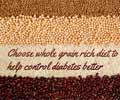
Diabetes Diet Plan
Diet plays a significant role in controlling diabetes. Most cases of diabetes are preventable with healthy lifestyle changes.
Diet plays a significant role in controlling diabetes. Most cases of diabetes are preventable with healthy lifestyle changes.
Implications for Diabetes and Public Health
Globally, 541 million people live with impaired glucose control. Current dietary advice often treats all vegetables equally, but this study suggests we may need more nuance. Prioritizing cruciferous vegetables could:- Improve metabolic health even in non-diabetic individuals.
- Provide greater benefits in patients with diabetes or prediabetes.
- Help reduce cardiovascular risks associated with glucose variability.
Practical Tips: How to Add More Cruciferous Veggies
- Swap mashed potatoes for mashed cauliflower.
- Add broccoli or kale to soups and stir-fries.
- Mix cauliflower rice with regular rice for lower GI meals.
- Use cabbage as a crunchy side dish or in fermented foods.
Key Takeaway: Broccoli Wins the Blood Sugar Battle
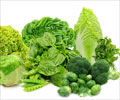
This study makes one thing clear — when it comes to controlling blood sugar, broccoli, cabbage, and kale are far more powerful allies than potatoes and pumpkin. For people looking to prevent or manage diabetes, cruciferous vegetables may be the unsung heroes of the plate.- Cruciferous vegetables improve glycaemic control compared to root/squash vegetables in a randomized, controlled, crossover trial: The VEgetableS for vaScular hEaLth (VESSEL) study - (https://dom-pubs.pericles-prod.literatumonline.com/doi/10.1111/dom.16467)
Source-Medindia
 Email
Email