MEDINDIA

Search Medindia

Top 10 Facts About Surgical Procedures

What are Surgical Procedures?

Surgery is a procedure to remove or repair diseased tissues or organs. The act of performing surgery is called a surgical procedure.

There are many types of surgical procedures that are categorized based on timing, purpose, type of procedure, organ system, degree of invasiveness, and instruments used (1 Trusted Source
Surgery

Go to source
).

Top 10 Facts about Surgical Procedure

Origin of Surgery

  1. The word 'Surgery' is derived from the Greek term 'cheirourgen, where 'cheir' means hand and 'ergo' means work. Therefore, surgery stands for 'to work with hand.' (2 Trusted Source
    Ancient Greek terminology in pediatric surgery: about the word meaning

    Go to source
    )
  2. Sushrutha, an Indian physician who first documented surgical procedures in the 6thcentury BC, is considered to be the 'Father of Surgery.' He is also named as the 'Father of Plastic Surgery and Cosmetic Surgery' since his technique ofrhinoplasty (reconstruction of nose), remains the same till date (3 Trusted Source
    Sushruta

    Go to source
    ).
  3. The majority of surgeries conducted on the eye, ear, nose, mouth, pharynx and skin are performed in an outpatient setting, while the majority of obstetrical, respiratory and cardiovascular surgeries are performed in an inpatient setting (4 Trusted Source
    Statistical Brief #223Surgeries in Hospital-Based Ambulatory Surgery and Hospital Inpatient Settings, 2014

    Go to source
    ).

Statistics on Surgical Procedure

  1. Total number of majorsurgical proceduresperformed worldwide is estimated to be 310 million per year. Total number of procedures performed in the USA is estimated to be 51.4 million (5 Trusted Source
    Trauma of major surgery: A global problem that is not going away

    Go to source
    ).
  2. Most common procedures performed in the USA are for heart, including angiography and arteriography (2.4 million),cardiac catheterizations(1.0 million),balloon angioplasty of coronary arteryor coronary atherectomy (500,000), insertion of coronary artery stent (454,000) andcoronary artery bypass graft(395,000) (6 Trusted Source
    Percutaneous Transluminal Coronary Arteriography

    Go to source
    ).
  3. The second most common procedure is from the specialty of obstetrics and gynecology with cesarean section (1.3 million) and hysterectomy( 600,000). The third most common procedure is from the specialty of orthopedics - reduction of fracture (671,000),total knee replacements(719,000) and totalhip replacements(332,000) (7 Trusted Source
    Cesarean Section

    Go to source
    ).
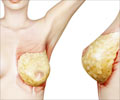
  4. The most common ambulatory surgeries include lens and cataract procedure (99.9% preformed in ambulatory settings (AS),Cholecystectomy- surgical removal of gallbladder (55.1%), lumpectomy - removal of breast tumor or lump and a small portion of the surrounding normal tissue (96.5%),hernia repair(90.2%), pacemakers (64%), skin graft (67%),Hysterectomy- removal of uterus (39.8%).
  5. Women (86%) outgrew men (13%) in both surgical and nonsurgical procedures worldwide. The top procedures performed on women includebreast augmentation, liposuction, eyelid surgery, fat grafting, andabdominoplastywhile on men it was Eyelid Surgery, rhinoplasty, Liposuction, Gynecomastia, fat grafting and ear surgery (8 Trusted Source
    Assessing Cosmetic Surgery Safety: The Evolving Data

    Go to source
    ).
  6. Middle-expenditure ($4011000) and high-expenditure (>$1000) countries which account for 302% of the world's population, provided 736% (1723 million) of surgeries worldwide in 2004, whereas poor-expenditure (≤$100) countries account for 348% of the global population yet undertook only 35% (81 million) of all surgical procedures in 2004.

Post-Surgical Complications

  1. Post-surgical complications may either be general or specific to the type of surgery. Commonpostoperative complicationsinclude fever, wound infection, embolism, incomplete lung inflation (9 Trusted Source
    After Surgery: Discomforts and Complications

    Go to source
    ).

Last Updated on Jul 12, 2023
Recommended Readings

Post a Comment

Comments should be on the topic and should not be abusive. The editorial team reserves the right to review and moderate the comments posted on the site.

Health Facts
View all
What's New on Medindia
Senses at the Edge: Understanding Sensory Overload and Sensory Seeking
Why Is Delhi's Air Turning Toxic? Children Struggle as Pollution Reaches 'Unhealthy' Levels
Garlic Vs. Chlorhexidine: Can a Natural Remedy Match Dentistry's Gold-Standard Mouthwash?
View all
Stay Connected
Available on the Android Market Available on the App Store
⬆️
This site uses cookies to deliver our services.By using our site, you acknowledge that you have read and understand our Cookie Policy, Privacy Policy, and our Terms of Use  Ok, Got it. Close