MEDINDIA
 English
 हिन्दी
 Español
 français
 中文
中文
Uncover the real teen food challenges, mindless eating, stress eating, and body shame—often driven by unclear or inconsistent guidance.
Helping teens with healthy holiday eating
Go to source) As teens become more self-reliant with food, a recent poll found that parents frequently fail to provide right food regimen at festive gatherings.
According to the University of Michigan Health C.S. Mott Children’s Hospital National Poll on Children’s Health, one in three parents find it challenging to discuss food choices and body weight with their teens, and this strain rises among the more than half of all parents who view their teen as fat.
The poll underscores that irregular diets such as mindless eating or eating out of boredom, and body image anxiety persist as younger people sustain with least nutrition talks.

Quiz on Body Mass Index (BMI)
Excessive weight could cause numerous health problems like heart disease, osteoarthritis etc. Though most of us depend on taking our weight on a scale to assess if we are overweight. A better method, however, is to measure the body mass index ...
Excessive weight could cause numerous health problems like heart disease, osteoarthritis etc. Though most of us depend on taking our weight on a scale to assess if we are overweight. A better method, however, is to measure the body mass index ...
TOP INSIGHT

Did You Know?
Are your #teens_eating healthy this holiday? Only 8% of parents actively guide #healthyfood choices, while 38% let teens eat as they wish. A recent poll reveals growing #bodyimage concerns among teens. #holiday_eating #healthyeating #parenting_teens #nutrition_tips #weight_management
Navigating the Sensitivity of Weight Talk and Holiday Season for Supportive Nutrition
“Weight can be a sensitive topic with young people,” said Susan Woolford, M.D., co-director of the Mott Poll and a Mott pediatrician. “But parents play an important role in offering guidance and watching for problematic eating behaviors. The holiday season is a key opportunity for supportive, nonjudgmental conversations.”Only half of parents say their teen eat three meals a day, suggests the nationally representative report that includes responses from 970 parents of teens aged 13-17 surveyed in August.
Parents perceive their teens’ weight in varying ways. While most believe their child is the right weight, one in seven describe their teen as underweight while one in five say their teen is overweight.

Ideal Body Weight
Calculate the ideal body weight for adults easily with Medindia’s Ideal Body Weight Calculator.
Calculate the ideal body weight for adults easily with Medindia’s Ideal Body Weight Calculator.
Lack of a Typical Eating Pattern and Constant Snacking Undermine Healthy Diets
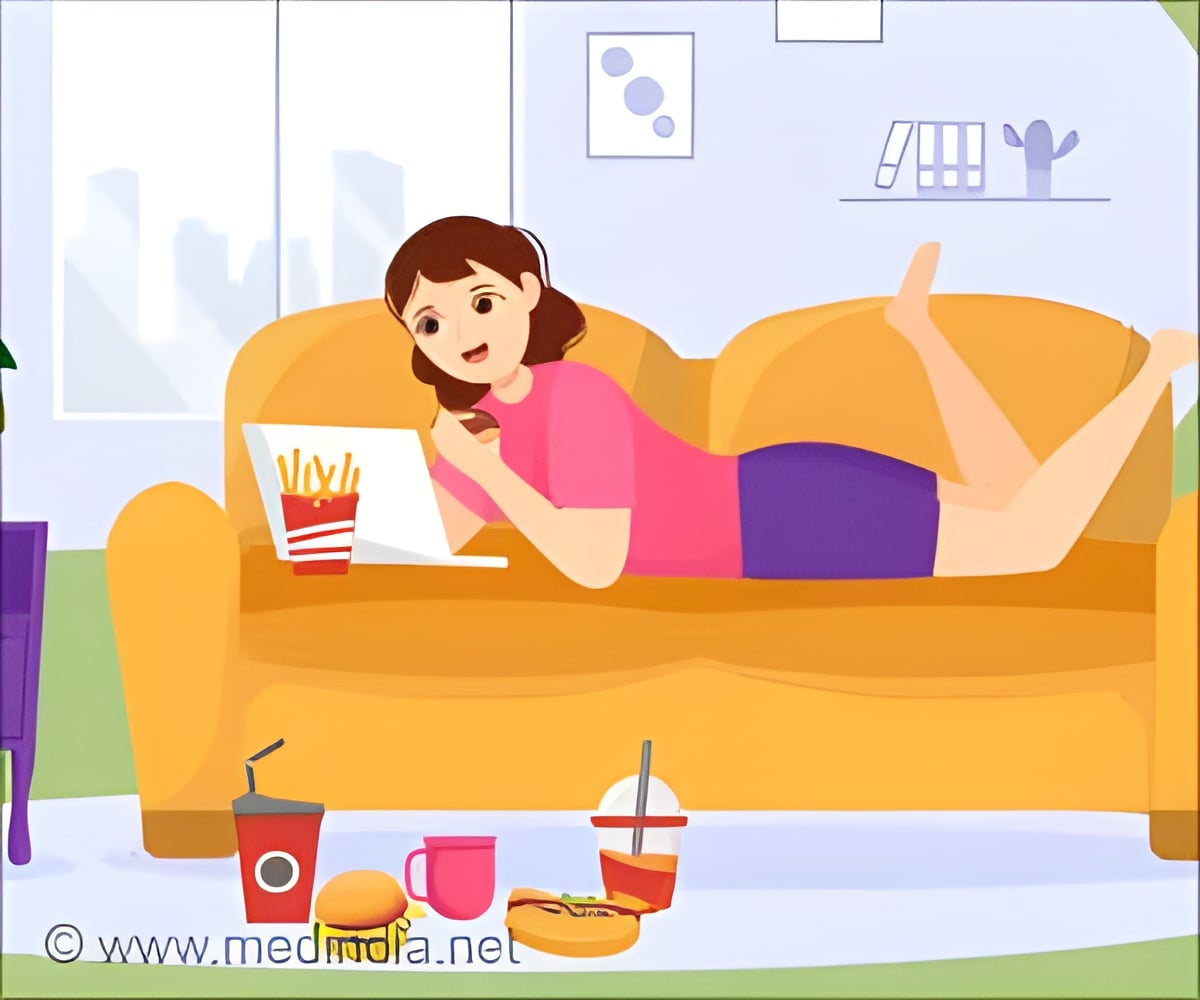
The poll highlights eating patterns that may signal challenges with maintaining a healthy diet. Just under a third of parents say their teen eats out of boredom or engages in mindless eating. Another 11% say their teen eats even after they’re full and 10% say their teen eats because they’re stressed.These behaviors are reported much more often among parents who describe their teen as overweight.
Nearly a third of parents also say their teen has no typical eating pattern, while 13% report that their teen snacks throughout the day and 9% say their teen regularly skips breakfast.
A significant barrier to healthy habits is the reality of teens’ schedules, Woolford notes. Between school, extracurricular activities, work and social commitments, many teens “squeeze in” meals whenever possible.

Healthy Eating Habits for Children and Teens
It is important to teach kids what is healthy eating and how to eat healthy. Healthy eating tips for kids must include creative recipes and presentations.
It is important to teach kids what is healthy eating and how to eat healthy. Healthy eating tips for kids must include creative recipes and presentations.
Over a Third of Parents Offer Vague Advice, Including “Eat Whatever You Want.”
“When teens are rushing between activities, they tend to grab whatever is quick and available,” she said. “Often that means processed snacks or fast food that are higher in calories and lower in nutritional value.”She recommends that parents help by stocking healthy, convenient ‘grab-and-go’ options, and involving teens in choosing items and reading nutrition labels.
Despite concerns about eating habits, relatively few parents polled offer specific strategies to help teens navigate large holiday meals. Parent suggestions to their teen:
- Eat something healthy ahead of time to avoid overeating (8%)
- Decide in advance what to eat or avoid (5%)
- Choose low-calorie foods (2%)
- Increase exercise to “burn off” calories (10%)
- Diet or fast the next day (1%)

Diet Tips for Teens
Teenage dieting tips must include nutrient-rich meals on regular intervals. Healthy eating is the key to lose and maintain ideal weight.
Teenage dieting tips must include nutrient-rich meals on regular intervals. Healthy eating is the key to lose and maintain ideal weight.
Troubling Signs of Negative Self-Image Emerge as Teens Feel “Too Fat.”
“Even small, practical tips like having a healthy snack beforehand can help teens feel more in control at big meals,” Woolford said.The poll also reveals troubling signs of negative self-image:14% of parents have heard their teen say they feel “too fat,” 11% say their teen talks about needing to diet or fast after a big meal and 8% say their teen wants to hide their body with baggy clothes.
These concerns are far more common among parents who describe their teen as overweight. Parents may fear that discussing weight or eating habits could harm teens’ self-esteem, Woolford says. But avoiding the conversation can also allow unhealthy patterns to continue.
“If parents notice a teen expressing repeated negative thoughts about their body or showing unhealthy eating patterns, it’s a good time to reach out to the teen’s healthcare provider,” she said. “These conversations don’t have to be about appearance. They can focus on energy, strength and overall well-being.”
Reference:
- Helping teens with healthy holiday eating - (https://mottpoll.org/reports/helping-teens-healthy-holiday-eating#:~:text=On%20holidays%20or%20other%20occasions,(5%25)%2C%20choose%20low%2D)
Source-Eurekalert
 Email
Email