MEDINDIA
 English
 हिन्दी
 Español
 français
 中文
中文
A new study reveals a dramatic rise in the use of weight loss drugs before bariatric surgery, signaling a major shift in managing obesity and Type 2 diabetes. The trend reflects changing clinical practice as more patients combine medications and surgery for effective weight control.

Between 2020 and 2024, usage of these drugs increased significantly, suggesting a paradigm shift in how clinicians and patients approach obesity and metabolic disorders. Experts say this trend highlights the growing role of pharmacotherapy alongside surgery in long-term weight management.
Key Takeaways
- Rapid uptake of weight loss drugs before metabolic and bariatric surgery: Between 2020 and 2024, the use of weight loss drugs before surgery rose sixteenfold among metabolic and bariatric surgery patients, highlighting their growing popularity and perceived effectiveness.
- Substantial Increase Among Patients Without Diabetes: Use of GLP-1s, a class of drugs used to treat both Type 2 diabetes and weight loss, rose elevenfold in patients without diabetes, reflecting growing weight-focused use before surgery.
The research will be presented at the American College of Surgeons (ACS) Clinical Congress 2025 in Chicago.
“There’s no one-size-fits-all approach to treating obesity, metabolic syndrome, or diabetes and its related conditions,” said Patrick J. Sweigert, MD, senior author of the study and a bariatric and foregut surgeon at The Ohio State University Wexner Medical Center in Columbus, Ohio. “We’re entering a new world of multidisciplinary care pathways and a new frontier of weight management that is important for patients and surgeons to think about.”

Body Fat Percentage Calculator
Body adiposity index or body fat percentage calculator gives you the fat percentage in your body using your height and hip circumference. Body adiposity index calculator helps check if you are obese.
Body adiposity index or body fat percentage calculator gives you the fat percentage in your body using your height and hip circumference. Body adiposity index calculator helps check if you are obese.
TOP INSIGHT

Did You Know?
Pre-surgery use of GLP-1 weight loss drugs like #Ozempic and #Mounjaro jumped 16 times since 2020, reshaping #obesity care strategies. #weightloss #bariatricsurgery #diabetescare #medindia
What Did the Study Find?
The research team performed a cross-sectional study looking at glucagon-like peptide-1 receptor agonists (GLP-1s) semaglutide (Wegovy, Ozempic) and tirzepatide (Zepbound, Mounjaro) among patients undergoing metabolic and bariatric surgery.Dr. Sweigert and colleagues analyzed nearly 365,000 patients who underwent primary metabolic and bariatric surgery between 2018 and 2024. They used the Epic Cosmos database, which includes more than 300 million patient records from institutions across the country, to examine prescription patterns for semaglutide and tirzepatide, two of the newest GLP-1s to hit the market.

Body Mass Index
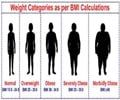
The BMI calculator helps you assess your weight indicating if it is normal or if you are underweight or overweight, based on your height.
The BMI calculator helps you assess your weight indicating if it is normal or if you are underweight or overweight, based on your height.
How Are Patients Responding?
Lead author Stefanie C. Rohde, MD, a general surgery resident at The Ohio State University Wexner Medical Center, noted that the findings reflect a shift in how bariatric surgery candidates perceive their treatment options.“While patients previously believed they had to choose between GLP-1 receptor agonists and surgery, we’re now seeing that people are using both,” Dr. Rohde said. “We know that patients can use GLP-1s after bariatric surgery to amplify their weight loss. But all of this is still very new in terms of how to manage patients effectively.”
Going forward, she added, real-world data such as that from Epic Cosmos can support the development of evidence-based guidelines for when to start, combine, or transition between treatment approaches, whether before surgery or during the postoperative period.

Weight Loss Drugs Are Changing What We Eat and How We Buy
The increasing use of GLP-1 medications for weight loss is leading to significant changes in food preferences, with users consuming less processed foods, soda, and certain meats.
The increasing use of GLP-1 medications for weight loss is leading to significant changes in food preferences, with users consuming less processed foods, soda, and certain meats.
What Are the Study’s Limitations?
The investigators acknowledged limitations in their analysis, including potential inaccuracies in health record data and uncertainty about whether patients filled or took their prescribed medications.Source-American College of Surgeons

Weight Loss Drugs Like Ozempic can Slim Down Addiction
Ozempic, a popular drug for treating diabetes and promoting weight loss, has emerged as an unexpected weapon in the fight against opioid and alcohol addiction.
Ozempic, a popular drug for treating diabetes and promoting weight loss, has emerged as an unexpected weapon in the fight against opioid and alcohol addiction.
 Email
Email