MEDINDIA
 English
 हिन्दी
 Español
 français
 中文
中文
Almost half the world lacks access to healthy food and clean environments, as global food systems heighten climate and health risks, reveals the new EAT-Lancet report.
This extensive report reveals that food systems are responsible for 30% of greenhouse gas emissions, directly threatening planetary boundaries and exposing billions to chronic disease risk—all while healthy, sustainable solutions are available if action is taken.
Although there is enough food produced globally, almost half of the world’s 8 billion people (about 3.7 billion) don’t have reliable access to healthy food, a clean environment, or earn a living wage.

WHO's Recommendations for a Balanced and Healthy Diet
A healthy diet prevents malnutrition, reduces noncommunicable diseases, supports growth, and enhances quality of life through balanced nutrition and mindful eating habits.
A healthy diet prevents malnutrition, reduces noncommunicable diseases, supports growth, and enhances quality of life through balanced nutrition and mindful eating habits.
TOP INSIGHT

Did You Know?
Nearly 3.7 billion people worldwide cannot access #nutritiousfood or safe environments, even though enough food is produced globally. This crisis is inseparable from rising #chronic_disease rates and #planetary_health risks. The latest EAT-Lancet report urges collective action to create fair, sustainable food systems. #foodjustice #climatehealth #nutritionforall #medindia
Can Diet Transform Global Health?
The Planetary Health Diet (PHD), which emphasizes minimally processed plant-rich foods with moderate intake of animal products such as meat and dairy, is associated with a 27% lower risk of premature death.Global adoption of this dietary pattern could potentially prevent approximately 15 million premature deaths per year and greatly reduce risks of chronic diseases such as type 2 diabetes, cardiovascular disease, cancer, and neurodegenerative conditions.
The report also emphasizes the urgent need to take social justice into account as part of overall efforts to transform food systems by calling for equitable access to healthy food, fair labor conditions, and inclusive governance.

Quiz on Gut Microbiome
Step into the vast realm of the gut microbiome with our interactive quiz! Ever wondered about the billions of microorganisms thriving in your digestive system? This quiz is designed to help you understand about the ...
Step into the vast realm of the gut microbiome with our interactive quiz! Ever wondered about the billions of microorganisms thriving in your digestive system? This quiz is designed to help you understand about the ...
Are Food Systems Driving the Crisis?
Food systems are key drivers of the world’s most urgent challenges, from chronic diseases and rising inequality to accelerating climate change and biodiversity loss, according to the 2025 EAT-Lancet Commission on Healthy, Sustainable, and Just Food Systems. The new report finds that while the world produces enough food calories for everyone, nearly 3.7 billion people are without access to a healthy diet, meaningful wages, or a clean environment.At the same time, food production is a significant contributor to environmental degradation, accounting for nearly 30% of global greenhouse gas emissions and pushing the transgression of the planetary boundaries (climate change, biodiversity loss, land use change, freshwater consumption, nutrient pollution, and novel entities such as pesticides and antibiotics). This crisis of inequity and environmental harm threatens human health and the resilience of planet Earth.
The new report also offers clear, science-based targets for a sustainable, healthy, and just food future. By adopting the Planetary Health Diet (PHD)—a flexible, plant-rich dietary framework—in combination with global efforts to reduce food loss and waste by half, implement sustainable and ecological agricultural practices, and halt agricultural conversion of intact ecosystems, the world can simultaneously improve public health, restore planetary health, and provide enough food for an expected global population of 9.6 billion people by 2050.
The report’s analysis also reveals that shifting global food systems and diets could prevent approximately 15 million premature deaths each year by lowering rates of chronic diseases linked to poor diets such as heart disease, diabetes, and cancer.
Building on the landmark 2019 report , the 2025 EAT-Lancet Commission brings together leading global experts in nutrition, environmental science, economics, agriculture, justice, and health policy to provide the most robust scientific assessment of food systems to date, offering rigorous new data to inform ways to transform food production and consumption to improve health, food security, sustainability and economic opportunity.
“Food systems are a major contributor to many of the crises we face today, and at the same time, the key to solving them,” said Shakuntala Haraksingh Thilsted, Commission co-chair and director for nutrition, health and food security at the Consultative Group on International Agricultural Research (CGIAR). “The evidence laid out in our report is clear: the world must act boldly and equitably to ensure sustainable improvements. The choices we make today will determine the health of people and the planet for generations.”

Daily Calorie Requirements
Are you health conscious? If yes, go ahead to find out your approximate daily calorie requirement, which varies depending on the lifestyle and activities. This calculator indicates an approximate calorie requirement for a person having a normal ...
Are you health conscious? If yes, go ahead to find out your approximate daily calorie requirement, which varies depending on the lifestyle and activities. This calculator indicates an approximate calorie requirement for a person having a normal ...
What Is the Planetary Health Diet?
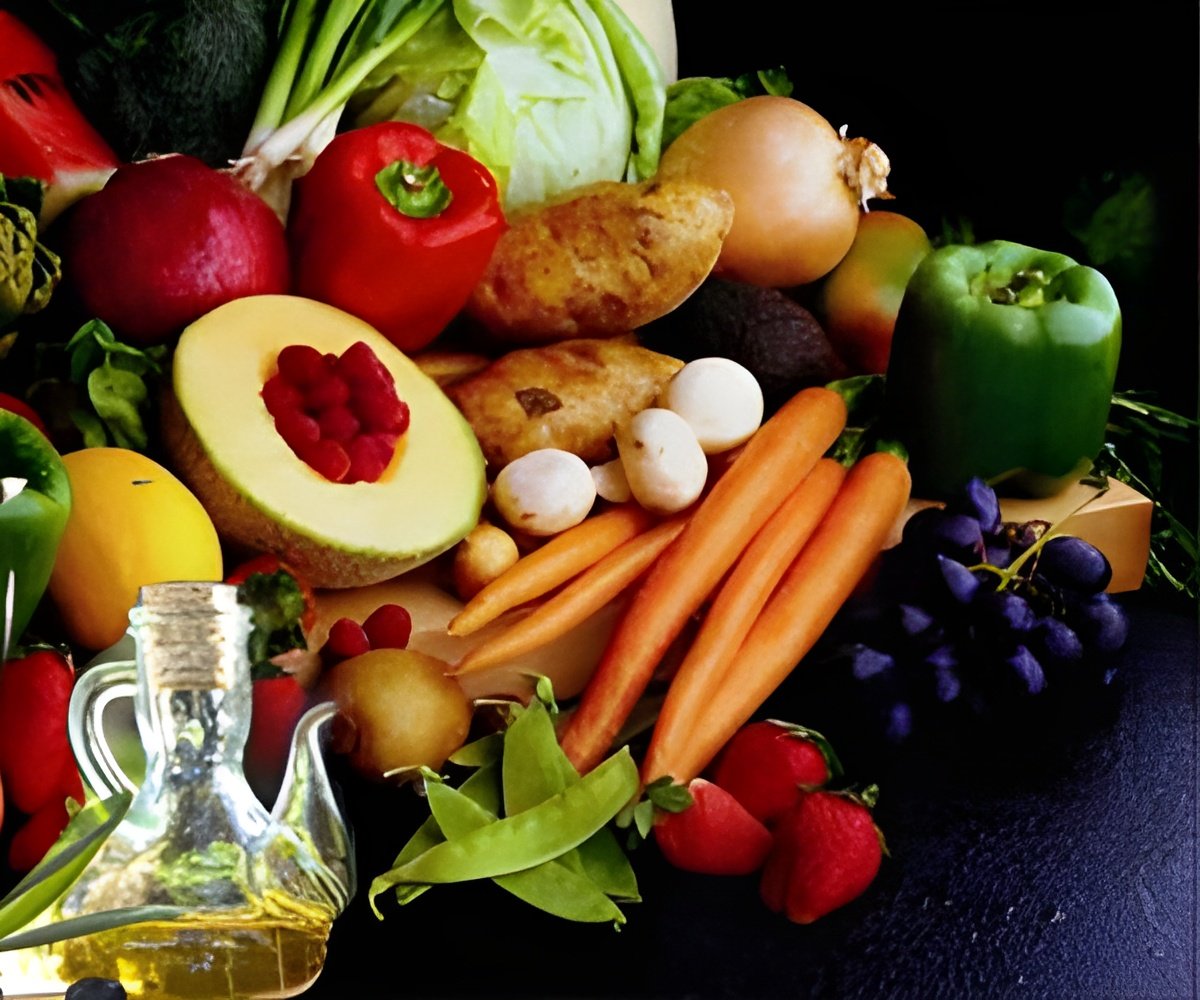
The Planetary Health Diet (PHD), first introduced in the 2019 EAT-Lancet Commission, outlines balanced, plant-rich eating patterns designed to promote both human and planetary health. The 2025 report builds on earlier findings by incorporating new evidence, improving cultural relevance, integrating social equity, and providing more precise and inclusive nutritional guidance.The PHD recommends plant-rich, flexible diets that include whole grains (about 150 grams or three to four servings per day), fruits and vegetables (500 grams or at least five servings per day), nuts (25 grams or one serving per day), and legumes (75 grams or one serving per day).
This plant-rich diet is complemented by moderate intakes of animal-sourced foods such as red meat (0–200 grams or one serving per week), poultry (0–400 grams or two servings per week), fish (0–700 grams or two servings per week), eggs (3–4 per week), and dairy (0–500 grams per day or one serving of milk, yogurt, or cheese per day). It also encourages limiting added sugars, saturated fats, and salt to help reduce diet-related chronic diseases.
New research from the 2025 EAT-Lancet report shows that following the PHD is linked to significantly lower risks of major chronic diseases, including type 2 diabetes, cardiovascular disease, certain cancers, and obesity. This adherence could prevent up to 15 million premature deaths per year globally and reduce the risk of early death by 27%.
While the report advises reducing red and processed meat globally, it maintains adequate intake of protein, iron, calcium, and vitamin B12 through diverse plant and moderate animal sources.
“The Planetary Health Diet is not a one-size-fits-all approach,” explained Walter C. Willett, Commission co-chair and professor at the Harvard T.H. Chan School of Public Health. “It allows for cultural diversity and individual preferences, providing flexibility within clear guidelines to achieve optimal health and sustainability outcomes worldwide.”
The PHD supports various traditional and modern dietary patterns, respecting cultural identities and local food systems. It also recognizes varying nutritional needs across populations and life stages, emphasizing support for vulnerable groups such as pregnant women, infants, and young children.
To address potential nutrient gaps, the PHD framework promotes culturally appropriate adaptations, including food fortification and supplementation. It also highlights that shifting toward plant-rich diets can reduce greenhouse gas emissions, land and water use, and nutrient pollution. Global alignment with the PHD could cut food-related carbon emissions by over 15% compared to 2020 values, or by at least 20% with improved production and reduced food waste.

Healthy Diet in 40’s can Extend Life by 10 Years
Switching to a well balanced nutritious diet and sticking to it from middle age can extend life by about 10 years.
Switching to a well balanced nutritious diet and sticking to it from middle age can extend life by about 10 years.
How Do Food Systems Drive Change and Inequity?
Food systems include all processes and actors involved in getting food from farm to table—production, processing, distribution, consumption, and governance. The report notes that food systems contribute roughly 30% of global greenhouse gas emissions, making them a major driver of climate change. Meat production, rice cultivation (methane emissions), land-use change, and deforestation are key contributors.Food systems are also responsible for breaching five of the nine planetary boundaries—the thresholds keeping Earth’s systems stable and healthy. Despite these issues, food systems can become engines of positive change through sustainable farming practices such as regenerative agriculture and sustainable intensification.
By shifting to PHD-aligned diets and adopting sustainable production, societies can both ease environmental pressure and improve nutrition outcomes. Promoting equitable policies and empowering marginalized communities ensures fair distribution of benefits.
“Transforming food systems is a significant environmental and social challenge, but it is a precondition for maintaining a safe climate and a healthy planet,” said Johan Rockström, Commission co-chair and director of the Potsdam Institute for Climate Impact Research.
The report also underscores the inequities in global diets. The top 30% of the world's wealthiest populations create about 70% of the environmental pressure from food systems, while nearly half of the population lacks access to affordable, healthy food.
Millions of children are still trapped in agricultural labor, and 32% of food workers earn below living wages. Women face systemic pay disparities and limited representation.
“Equity and justice are not optional—they are prerequisites for resilient and sustainable food systems,” said Christina Hicks of Lancaster University. She emphasized that addressing inequality is central to long-term transformation.
The Commission calls for targeted policies that make nutritious foods affordable, ensure fair wages and safe working conditions, and empower marginalized communities to engage in decision-making.
Can We Build Sustainable, Healthy Food Systems by 2050?
Researchers modeled various global food system scenarios for 2050, evaluating their health and environmental impacts. Under the transformation scenario—combining full PHD adoption with strong climate action—greenhouse gas emissions could fall from 7.35 to 2.75 gigatonnes CO₂, equivalent to removing all coal-fired power plants worldwide.This shift could cut agricultural land use by 7%, freeing space for biodiversity restoration. Although labor demand in livestock sectors may drop, plant-based agriculture would grow, requiring new social and employment support policies.
The current food system incurs hidden costs of nearly $15 trillion annually due to health and environmental damage. In comparison, investments of $200–$500 billion annually in food system transformation could generate returns exceeding $5 trillion each year through improved productivity and lower healthcare costs.
Funding can come from repurposing agricultural subsidies, mobilizing climate and biodiversity finance, and attracting private investment aligned with sustainability goals. Low-income countries will require international support via development aid or targeted debt relief.
The 2025 EAT-Lancet Commission proposes eight integrated solutions to advance health, environmental sustainability, and equity:
- Shift to healthy, PHD-aligned diets
- Protect traditional, culturally relevant diets
- Advance sustainable farming practices
- Safeguard forests, wetlands, and natural habitats
- Cut food loss and waste
- Ensure fair pay and safe conditions for food workers
- Empower smallholders, women, and Indigenous groups in policy roles
- Implement social safety nets and equitable access to resources
EAT has already convened over 750 initiatives through its Communities for Action network—including consumers, farmers, health professionals, cities, and food service companies—to drive progress toward sustainable, equitable food systems.
“Our recommendations are grounded in scientific evidence and real-world experiences,” said Line Gordon of the Stockholm Resilience Centre. “Investment and expansion of these initiatives are essential for building a just and sustainable future.”
She emphasized that private-sector collaboration is crucial but must ensure that public interest remains central and protected from undue corporate influence.
In a linked commentary, The Lancet editors Dr. Richard Horton and Tamara Lucas urged global action, stating that applying the Commission’s recommendations beyond 2030 could unleash a cascade of positive effects. They concluded, “Everybody has a part to play in reshaping food systems... The reward of food justice for all will be restored balance to the Earth’s natural systems and access to nourishing, sustainable food.”
Source-The Lancet
 Email
Email