MEDINDIA
 English
 हिन्दी
 Español
 français
 中文
中文
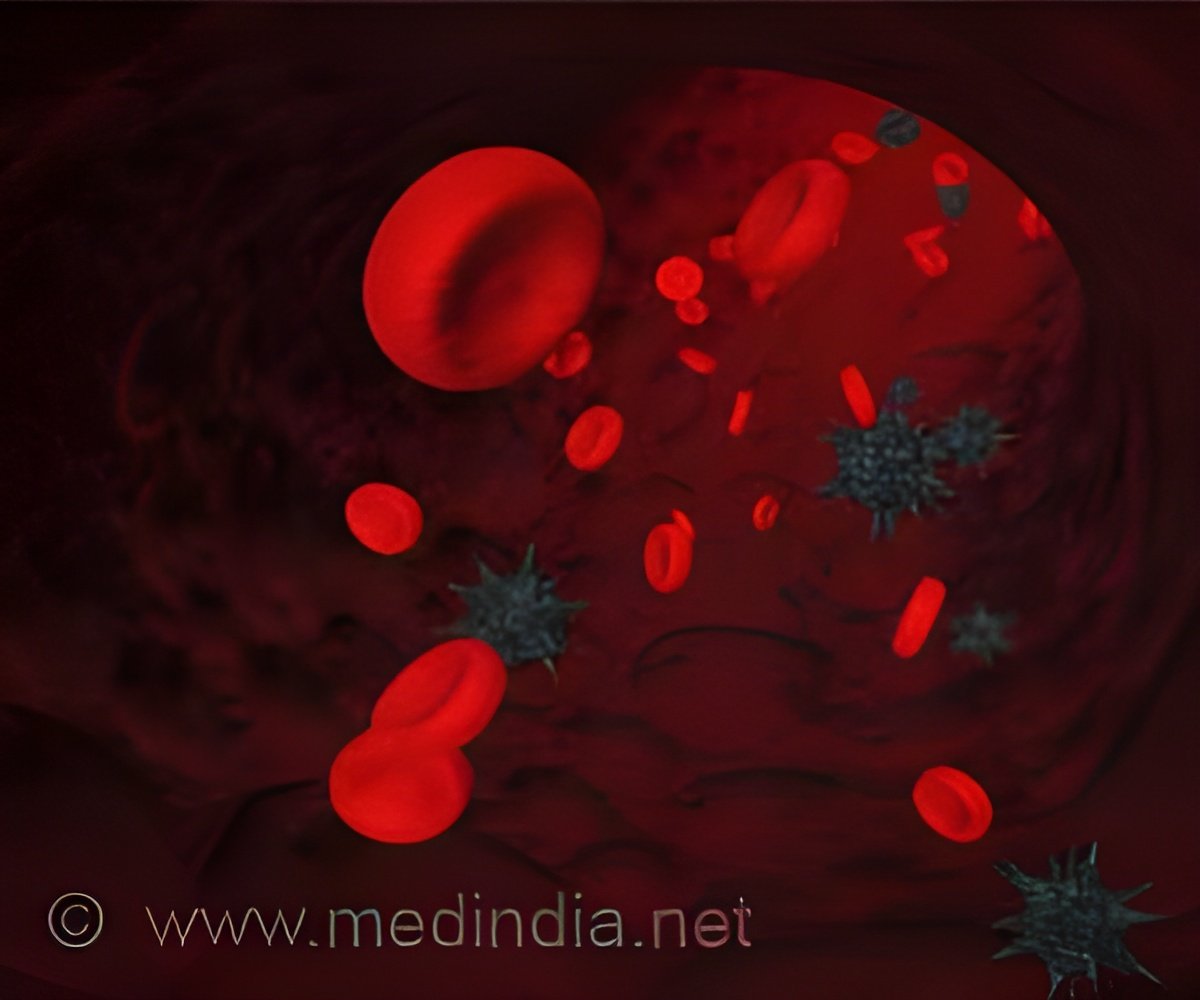
New study evaluated the association between exposure to the chemical agent orange and the development of blood cancer with increased bleeding and blood clot formation.
Acute Lymphoblastic Leukemia - Incidence Causes Symptoms Diagnosis Treatment Prognosis
Acute lymphoblastic leukemia (ALL) is the cancer of white blood cells characterized by excess lymphoblasts. It is the most common of all childhood cancers and can be fatal in weeks if left untreated.
Acute lymphoblastic leukemia (ALL) is the cancer of white blood cells characterized by excess lymphoblasts. It is the most common of all childhood cancers and can be fatal in weeks if left untreated.
TOP INSIGHT

Agent Orange (AO) is a chemical herbicide that was utilized during the Vietnam War and was associated with an increased risk of developing progressive blood cancers in veterans exposed.#blood cancer #herbicide #myeloproliferative neoplasm
Increased risk of head and neck cancer in Agent Orange exposed Vietnam Era veterans
Go to source).
MPNs are associated with serious cardiovascular events and people with this disease have decreased overall survival chances. But until now, researchers haven’t been able to fully ascertain whether Agent Orange exposure truly leads to the development of myeloproliferative neoplasms (2✔ ✔Trusted Source
Myeloproliferative Neoplasms: A Contemporary Review
Go to source).
Does Agent Orange Cause Deadly Blood Cancer in War Veterans?
To answer this, researchers have conducted the biggest population-based study to date. They utilized the Veterans Affairs Informatics and Computing Infrastructure (VINCI) database and examined records of 93,269 MPN patients among 12,352,664 veterans over 17 years.The researchers used veterans from the state of Illinois as a control population since Illinois is highly representative of the United States according to the US Census Bureau. The odds of Agent Orange exposure among MPNs are 1.63 times greater than the odds of exposure among controls.

Blood Cancer Treatment Outcome Depends on Genetic Make Up of Proteins
The genetic make-up can impact the activity of the immune system and the body's ability to fight cancer.
The genetic make-up can impact the activity of the immune system and the body's ability to fight cancer.
People with MPNs had more hypertension (75.5% vs. 43.2%), diabetes (31.2% vs. 19%), and more heart failure (26.1% vs. 11%) than age, gender, and race-matched controls, respectively.

Leukemia: Types, Symptoms, and Early Warning Signs
Discover the different types of leukemia, their symptoms, and early warning signs. Recognize and seek timely medical attention for this blood cancer.
Discover the different types of leukemia, their symptoms, and early warning signs. Recognize and seek timely medical attention for this blood cancer.
Association of Agent Orange and myeloproliferative neoplasms, thrombosis, and bleeding among veterans
Go to source).
Because the findings only point to possible associations and not causes, researchers will need to dive more deeply into the biology of the disease. Specifically, they want to look at JAK2 mutations, which are one of the three driver mutations of MPNs that can cause uncontrolled proliferation of stem cells. JAK2 has also been associated with an increased risk of clotting.

Myeloid Leukemia Can Now be Put To Stop by Blocking Its Growth Factor
A novel pathway of Acute myeloid leukemia tumor development has been discovered. New drugs can be made to target this pathway to stop the growth.
A novel pathway of Acute myeloid leukemia tumor development has been discovered. New drugs can be made to target this pathway to stop the growth.
References:
- Increased risk of head and neck cancer in Agent Orange exposed Vietnam Era veterans - (https://www.sciencedirect.com/science/article/abs/pii/S136883751930394X)
- Myeloproliferative Neoplasms: A Contemporary Review - (https://jamanetwork.com/journals/jamaoncology/fullarticle/2194736)
- Association of Agent Orange and myeloproliferative neoplasms, thrombosis, and bleeding among veterans - (https://ascopubs.org/doi/abs/10.1200/JCO.2023.41.16_suppl.7011?af=R)
Source-Eurekalert
 Email
Email