MEDINDIA
 English
 हिन्दी
 Español
 français
 中文
中文
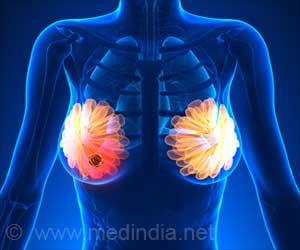
Early cancer detection years before diagnosis enables timely treatment, improving patient outcomes significantly.

Pre-Cancerous Lesions
Encyclopedia section of medindia gives general information about Pre Cancerous Lesions
Encyclopedia section of medindia gives general information about Pre Cancerous Lesions
TOP INSIGHT

Game-changer in #cancer_detection! Multi-Cancer Early Detection (MCED) tests show immense promise for finding #cancers at their earliest stages. #cancer_research #cancer_diagnosis
Unlocking Early Cancer Diagnosis: A Plasma-Based Approach
To determine how early cancers could be detected prior to clinical signs or symptoms, Wang and colleagues assessed plasma samples that were collected for the Atherosclerosis Risk in Communities (ARIC) study, a large National Institutes of Health-funded study to investigate risk factors for heart attack, stroke, heart failure and other cardiovascular diseases. They used highly accurate and sensitive sequencing techniques to analyze blood samples from 26 participants in the ARIC study who were diagnosed with cancer within six months after sample collection, and 26 from similar participants who were not diagnosed with cancer.At the time of blood sample collection, eight of these 52 participants scored positively on a multicancer early detection (MCED) laboratory test. All eight were diagnosed within four months following blood collection. For six of the eight individuals, investigators also were able to assess additional blood samples collected 3.1–3.5 years prior to diagnosis, and in four of these cases, tumor-derived mutations could also be identified in samples taken at the earlier timepoint.
“This study shows the promise of MCED tests in detecting cancers very early, and sets the benchmark sensitivities required for their success,” says Bert Vogelstein, M.D., Clayton Professor of Oncology, co-director of the Ludwig Center at Johns Hopkins and a senior author on the study.

Quiz on Cancer
Cancer, is the second most leading cause of death worldwide. Cancer is not just one disease but many diseases. There are more than 100 different types of cancer. Take this quiz on and test how much you know about ...
Cancer, is the second most leading cause of death worldwide. Cancer is not just one disease but many diseases. There are more than 100 different types of cancer. Take this quiz on and test how much you know about ...
Source-Eurekalert

Lifetime Risk Calculator for Cancers
What are your chances for developing some common cancers in your lifetime - find out now.
What are your chances for developing some common cancers in your lifetime - find out now.

Cancer Prevention thro' Lifestyle Changes
Did u know that simple changes in lifestyle could lower your cancer risks? Find out how!
Did u know that simple changes in lifestyle could lower your cancer risks? Find out how!
 Email
Email