MEDINDIA
 English
 हिन्दी
 Español
 français
 中文
中文
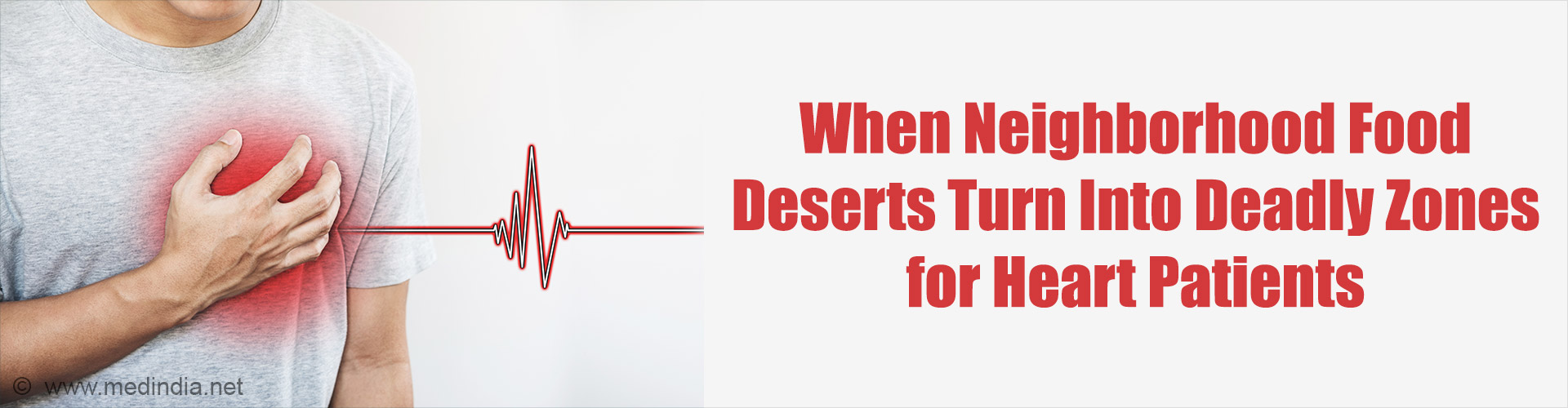
Living in neighborhoods with limited access to full-service grocery stores increases stroke and death risks for patients with atrial fibrillation.
Highlights:
Patients with atrial fibrillation who reside in neighborhoods lacking access to full-service grocery stores face significantly increased risks of stroke and death (1✔ ✔Trusted Source- Living in neighborhoods with limited grocery access doubles ischemic stroke risk in atrial fibrillation patients
- Mortality risk for these patients is nearly four times higher in food deserts
- Screening for food access barriers can improve patient outcomes and save lives
Impact of Food Desert Residence on Ischemic Stroke and Hospitalization Risk in Atrial Fibrillation Patients
Go to source). According to findings from Tulane University, those living in food deserts had more than twice the risk of ischemic stroke and nearly four times the risk of death compared with similar patients in areas with better food access.
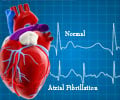
Atrial Fibrillation - Causes, Symptoms, Diagnosis, Treatment, Complication, Risks
Atrial fibrillation may not be life-threatening in itself but it is important to understand the causes, symptoms and treatments because of the risk of life-threatening complications.
Atrial fibrillation may not be life-threatening in itself but it is important to understand the causes, symptoms and treatments because of the risk of life-threatening complications.
TOP INSIGHT

Did You Know?
More than twice the risk of ischemic stroke and nearly four times the chance of death affect atrial fibrillation patients living over a mile away from full-service grocery stores. #foodaccess #stroke #medindia
Analyzing Atrial Fibrillation Cases by Neighborhood Food Access
The study published in the journal JACC: Advances examined electronic health records of 1,553 patients treated for atrial fibrillation in the New Orleans region between 2010 and 2019. Using federal designations of food deserts, areas where many residents live more than a mile from a supermarket, patients were categorized by ZIP code: 1,115 inside food deserts and 438 outside.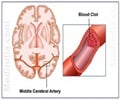
Stroke – Early Warning Signs - Risk Factor - Rehab - Treatment
Stroke can cause permanent disability and it is important to recognize its early warning signs to stop its progress. Early warning signs of stroke include sudden weakness of facial muscles.
Stroke can cause permanent disability and it is important to recognize its early warning signs to stop its progress. Early warning signs of stroke include sudden weakness of facial muscles.
Increase in Risk Linked to Food Desert Residence
After accounting for other risk factors, living in a food desert correlated with a 2.21-fold increase in ischemic stroke risk and a 3.84-fold increase in death over five years. The combined risk of any negative outcome, hospitalization, stroke, or death, was 42% higher for patients in food deserts. The researchers suggest these findings likely apply to vulnerable populations nationwide.Dr. Nassir Marrouche, director of the Tulane University Heart and Vascular Institute, emphasized the critical role of the living environment in patient outcomes. He noted that basic neighborhood infrastructure, such as access to healthy food, can be as vital as clinical care in saving lives.

Living Near a ‘Food Swamp’ may Up Stroke Risk in Older People
Is living near a food swamp bad for health? Yes, living near dense fast food and unhealthy food environments can put people over 50’s at a higher risk of stroke.
Is living near a food swamp bad for health? Yes, living near dense fast food and unhealthy food environments can put people over 50’s at a higher risk of stroke.
Connecting ZIP Codes and Food Access Through National Databases
The team utilized the REACHnet clinical research database and matched patients’ ZIP codes with the U.S. Department of Agriculture's Food Access Research Atlas. Standard survival curves and risk models were employed to compare outcomes while controlling for confounding variables.To mitigate risks, the authors recommend clinicians screen patients for food access challenges and connect those at risk with nutrition programs or social services. Policymakers and health systems should consider targeting nutrition support and improving grocery access in neighborhoods housing medically vulnerable residents.

Grocery Store-Based Nutrition Education Effective In Combating Hypertension
A new study found that grocery store-based nutrition counseling was effective in changing dietary habits of patients being treated for hypertension.
A new study found that grocery store-based nutrition counseling was effective in changing dietary habits of patients being treated for hypertension.
Targeted Heart Health Efforts for the New Orleans Community
At the Tulane Research Innovation for Arrhythmia Discovery Center, efforts focus on addressing the unique needs of the New Orleans community. Expanded cardiovascular screenings and early detection in high-risk neighborhoods could save lives by uncovering striking health disparities.By leveraging local data and real-world insights, the center aims to develop more inclusive care models that enhance cardiovascular outcomes where they are needed most, especially in underserved communities.
To sum up, atrial fibrillation patients living in food deserts face substantially higher risks of ischemic stroke and death. Addressing food access disparities through targeted screening, nutrition programs, and improved local infrastructure is essential to improving cardiovascular health outcomes in vulnerable communities.
Reference:
- Impact of Food Desert Residence on Ischemic Stroke and Hospitalization Risk in Atrial Fibrillation Patients - (https://www.jacc.org/doi/10.1016/j.jacadv.2025.102083)
Source-Medindia
 Email
Email