MEDINDIA
 English
 हिन्दी
 Español
 français
 中文
中文
New study examined the association between dietary magnesium (Mg) intake and brain volumes and white matter lesions (WMLs) in middle to early old age.
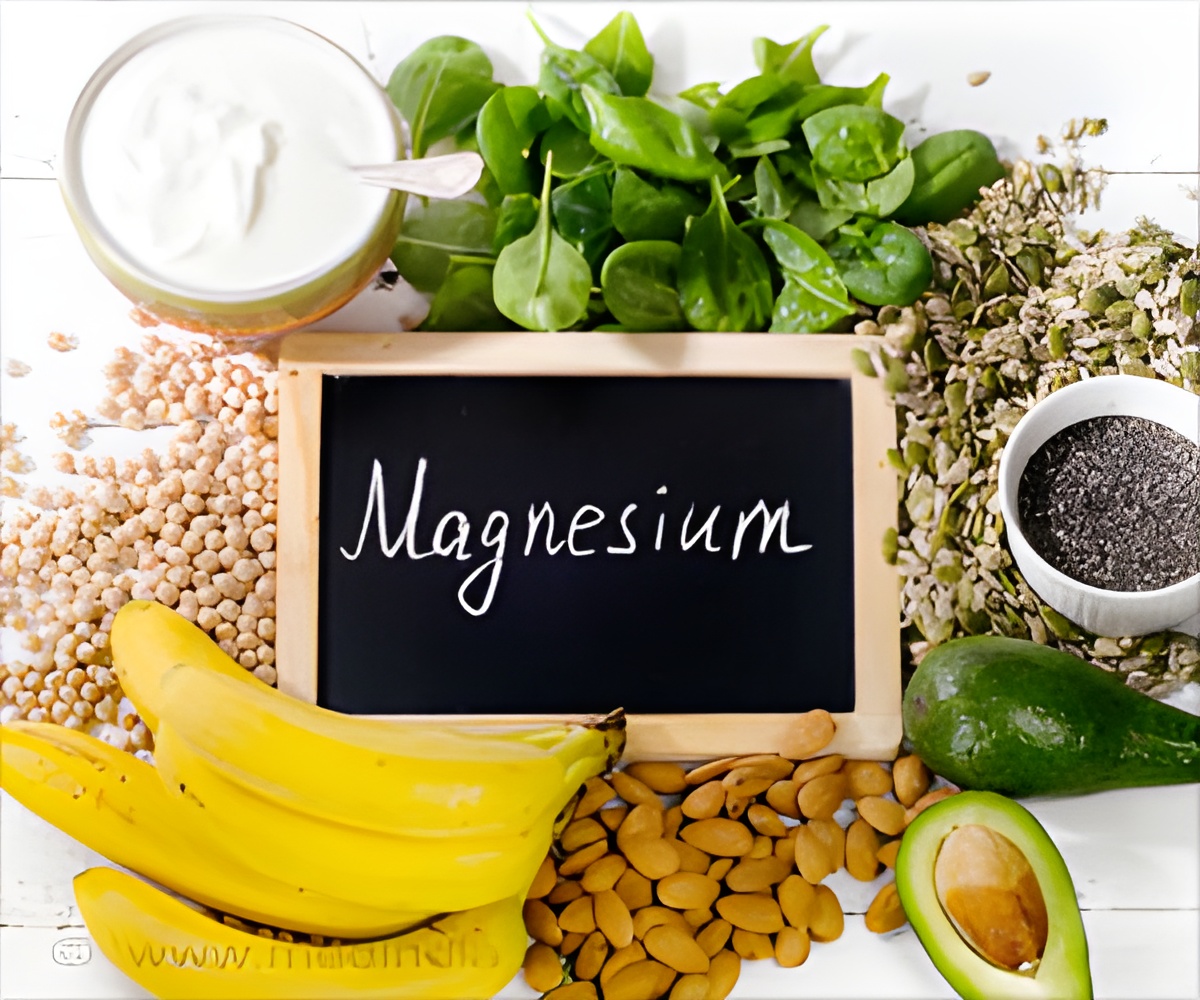
Magnesium: An Underappreciated Nutrient for Brain Health
Emerging research suggests that dietary Magnesium (Mg) is associated with better cognitive function and may reduce the risk of developing dementia. However, it is unclear when dietary Mg intake starts contributing to Brain health and in what way.
Foods to Improve Memory Power | Memory Boosting Foods
Eating healthy nutritious foods can help improve memory power and prevent brain-related illness. Eat foods that have numerous health benefits for keeping your brain healthy.
Eating healthy nutritious foods can help improve memory power and prevent brain-related illness. Eat foods that have numerous health benefits for keeping your brain healthy.
TOP INSIGHT

The neuroprotective effect of higher dietary magnesium intake appears to be greater in post-menopausal than pre-menopausal women.
In this study, participants completed an online questionnaire five times over 16 months. The responses provided were used to calculate the daily magnesium intake of participants and were based on 200 different foods with varying portion sizes.
The study published in the European Journal of Nutrition focused on magnesium-rich foods such as leafy green vegetables, legumes, nuts, seeds, and whole grains to provide an average estimation of magnesium intake from the participants’ diets.
Magnesium Rich Foods Prevent Dementia Risk
These findings highlight the potential benefits of a diet high in magnesium and the role it plays in promoting good brain health. Researchers say a higher intake of magnesium in our diets from a younger age may safeguard against neurodegenerative diseases and cognitive decline by the time we reach our 40s. This means people of all ages should be paying closer attention to their magnesium intake.
Lion's Mane Mushrooms Improve Brain Health
The University of Queensland researchers discovered an active chemical in an edible mushroom that promotes neuron growth and memory.
The University of Queensland researchers discovered an active chemical in an edible mushroom that promotes neuron growth and memory.

Eating Colorful Fruits and Vegetables can Boost Women�s Eye and Brain Health
Brighten up your plate: Eating more bright-colored fruits and vegetables can protect women’s eyes and brain from disease.
Brighten up your plate: Eating more bright-colored fruits and vegetables can protect women’s eyes and brain from disease.

Magnesium in Diet Associated With Reduced Risk of Heart Disease, Stroke and Diabetes
Dietary intake of magnesium is vital in maintaining magnesium levels in the body which helps lower the risk of diabetes, heart disease and stroke.
Dietary intake of magnesium is vital in maintaining magnesium levels in the body which helps lower the risk of diabetes, heart disease and stroke.
 Email
Email