MEDINDIA
 English
 हिन्दी
 Español
 français
 中文
中文
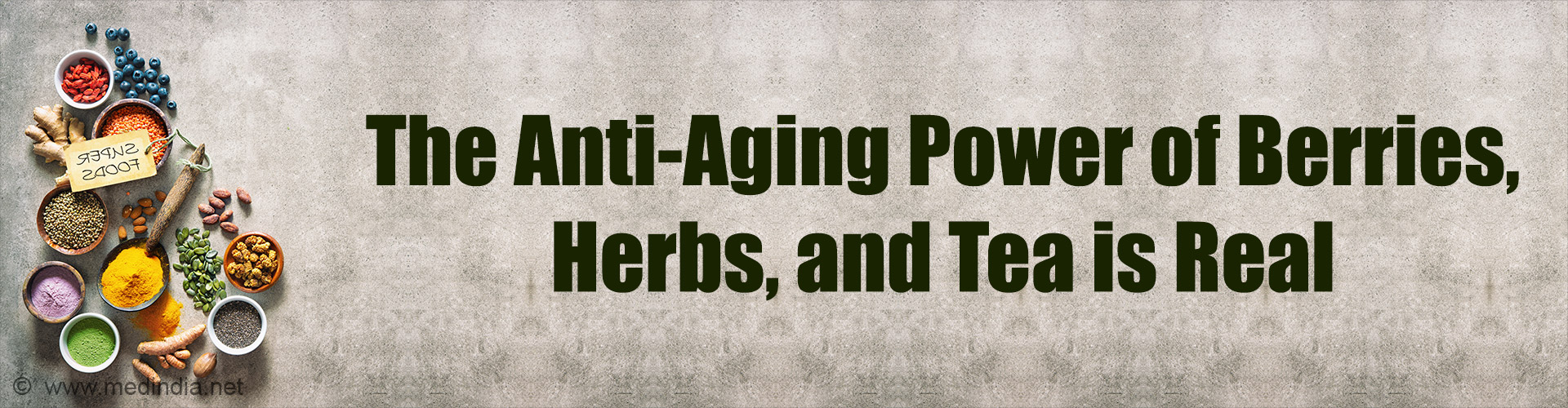
Consuming turmeric, berries, and green tea is linked to a reduction in epigenetic age, offering a natural approach to slowing aging at the cellular level.
Highlights:
Certain plant-based foods rich in compounds known as methyl adaptogens have been linked to a measurable reduction in biological aging, as reflected in DNA methylation patterns. These natural compounds influence how genes are expressed, helping to slow down cellular aging processes (1✔ ✔Trusted Source- Methyl adaptogen foods like turmeric and berries linked to reduced biological aging
- DNA methylation patterns improved with a plant-based nutrient-rich diet
- Green tea and oolong tea consumption correlated with slower cellular aging
Dietary associations with reduced epigenetic age: a secondary data analysis of the methylation diet and lifestyle study
Go to source). A new analysis published in Aging explored the relationship between diet and epigenetic age, the biological measure of how old a person’s cells appear regardless of their chronological age. The research focused on a group of healthy men between ages 50 and 72 who had completed an eight-week program promoting nutrient-dense, plant-based eating along with exercise, sleep and stress management practices.

Life Expectancy or Longevity Calculator
We all wish to live a long and fruitful life. The life expectancy calculator may just be what the doctor ordered for those curious to know their life expectancy.
We all wish to live a long and fruitful life. The life expectancy calculator may just be what the doctor ordered for those curious to know their life expectancy.
TOP INSIGHT

Did You Know?
Eating foods like green tea, turmeric, and berries can lower your biological age by influencing how your genes behave at the cellular level. #medindia #healthyaging #plantbased
Impact of Methyl Adaptogen Foods on Aging
Researchers observed that individuals who consumed larger quantities of certain methyl adaptogen-rich foods—such as turmeric, rosemary, garlic, berries, green tea, and oolong tea—showed more significant reductions in their epigenetic age. These changes were measured using Horvath’s epigenetic clock, a standard tool for assessing biological aging based on DNA methylation.
Superfoods That Make You Live Longer
Superfoods like berries, turmeric, broccoli, coffee, Holy basil can lengthen telemores, slowing down the aging process, thereby increase longevity.
Superfoods like berries, turmeric, broccoli, coffee, Holy basil can lengthen telemores, slowing down the aging process, thereby increase longevity.
DNA Methylation as a Marker of Biological Aging
DNA methylation refers to the chemical tagging of DNA, which affects gene activity without altering the genetic code. These patterns are now widely recognized as key markers of aging, as they can reflect both acceleration and deceleration in cellular aging depending on environmental factors—including diet.The team used hierarchical linear regression analysis and found that foods classified as polyphenolic modulators of DNA methylation had a strong and consistent link with improvements in epigenetic age. The statistical association highlights a clear connection between diet and the body’s internal aging clock.
Nutrient-Rich Foods That May Influence Longevity
Methyl adaptogens are naturally found in many herbs, spices, teas, and fruits—elements common in traditional Mediterranean and Japanese diets, both renowned for their health benefits. The polyphenols and other plant-based compounds in these foods have previously been associated with reduced risk of cardiovascular disease, cognitive decline, and overall improved aging outcomes.Though the participants represented a relatively small demographic of middle-aged men, the results add to a growing body of global evidence supporting the role of plant-based nutrition in promoting healthy aging. Larger and more diverse studies are needed to build on these promising findings.
In conclusion, focusing on everyday dietary choices is a practical and accessible way to potentially slow down biological aging. Incorporating methyl adaptogen-rich foods such as turmeric, berries, and teas into daily meals could be a natural, low-risk strategy to support long-term health and longevity.
Reference:
- Dietary associations with reduced epigenetic age: a secondary data analysis of the methylation diet and lifestyle study - (https://www.aging-us.com/article/206240/text)
Source-Medindia

Life Span (or) Death Clock
Calculate how many more seconds have you got to live. An interesting reminder for us to live these precious moments happily.
Calculate how many more seconds have you got to live. An interesting reminder for us to live these precious moments happily.
 Email
Email