MEDINDIA
 English
 हिन्दी
 Español
 français
 中文
中文

Violence against women is a global crisis, and this day inspires action, awareness, and hope for safer futures.
Highlights:
Every year on 25 November, countries around the world observe the International Day for the Elimination of Violence Against Women. The day serves as a powerful reminder that millions of women and girls face harm that threatens their safety, confidence, dignity, and freedom. The United Nations recognises violence against women as one of the most widespread human rights violations, and the need for urgent global action remains critical.
- Violence against women remains one of the most widespread human rights violations worldwide
- Strong laws, survivor services, and community action are essential to drive meaningful change
- Everyone has a role in preventing violence and promoting respect and equality
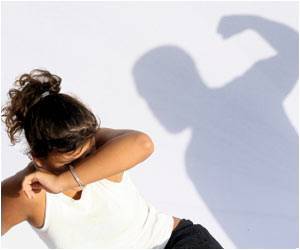
Globally 1 in 3 Women Experience Violence
One in three women, around 736 million, are subjected to physical or sexual violence by an intimate partner or sexual violence from a non-partner in their lifetime, says a World Health Organization.
One in three women, around 736 million, are subjected to physical or sexual violence by an intimate partner or sexual violence from a non-partner in their lifetime, says a World Health Organization.
TOP INSIGHT

Did you know?
Many women survivors who have been victims of violence stay silent due to stigma, fear, or lack of support, making awareness campaigns even more important. #endviolenceagainstwomen #medindia
Understanding the Global Crisis of Violence Against Women
Violence against women affects every country, community, and age group. According to the United Nations, nearly one in three women worldwide has experienced physical or sexual violence in her lifetime, often at the hands of an intimate partner (1✔ ✔Trusted SourceInternational Day for the Elimination of Violence against Women 25 November
Go to source). These statistics reveal a serious crisis that impacts health, mental wellbeing, and long term social and economic security.
The day was first established by the UN General Assembly in 1999, inspired by decades of activism led by women’s rights defenders. The date commemorates the Mirabal sisters of the Dominican Republic, who were murdered in 1960 for speaking out against dictatorship. Their story continues to symbolise courage and resistance for women across the world.


International Women’s Day
The United Nations pledges to end violence against women on the International Women’s Day this year.
The United Nations pledges to end violence against women on the International Women’s Day this year.
The Importance of Ending Gender Based Violence
Gender based violence exists in many forms. These include domestic abuse, sexual assault, emotional violence, online harassment, human trafficking, forced marriage, female genital mutilation, and economic control. Each form harms women’s physical health, impacts their psychological wellbeing, and limits their ability to participate fully in society.Women who face violence often struggle with chronic stress, depression, anxiety, and long term trauma. Research published in journals on public health shows that survivors are at higher risk for cardiovascular disease, reproductive health problems, substance misuse, and self harm (2✔ ✔Trusted Source
Intimate partner violence and cardiovascular risk in women: a population-based cohort study
Go to source). These consequences highlight why violence must be treated not only as a human rights issue but also as a major public health priority.
WHO Says One Woman in Three 'A Victim of Domestic Violence'
More than one woman in three is a victim of domestic violence, says the World Health Organization.
More than one woman in three is a victim of domestic violence, says the World Health Organization.
Why International Day for the Elimination of Violence Against Women Exists
The United Nations created this observance to raise awareness, support survivors, and encourage governments to strengthen protective policies. The day also marks the beginning of the UNiTE Campaign’s 16 Days of Activism, a global initiative that runs until 10 December, which is Human Rights Day. During this period, communities amplify conversations, launch support programmes, and promote advocacy efforts designed to protect women and girls.The UN emphasises that progress remains too slow. Many countries still lack strong legal systems that respond effectively to violence. Survivors often face barriers like social stigma, fear of retaliation, financial dependence, or limited access to shelters and legal support.

New Program Reduces Violence Against Pregnant Women
Pregnant women who took part in the Domestic Violence Enhanced Home Visitation Program (DOVE) saw a significant reduction in intimate partner violence.
Pregnant women who took part in the Domestic Violence Enhanced Home Visitation Program (DOVE) saw a significant reduction in intimate partner violence.
Breaking the Silence and Supporting Survivors
Ending violence begins with breaking the silence that surrounds it. Providing safe spaces, encouraging open conversations, and promoting empathy help survivors come forward. Communities must learn to recognise warning signs and respond with sensitivity and support. Support services such as hotlines, counselling centres, medical care, and legal aid create lifelines for women in crisis. Digital tools and online reporting platforms are also becoming important, especially for women who may be unable to seek help directly.What Each of Us Can Do to Drive Change to Prevent Violence Against Women
Every individual has a role in preventing violence. Simple actions like challenging harmful gender stereotypes, supporting survivors, promoting healthy relationships, educating young people, and speaking out against abusive behaviour can create meaningful impact. Men and boys play a vital role as allies, since lasting change requires collective responsibility.Communities that value equality, respect, fairness, and dignity create safer environments for women. Ending violence is not a woman’s issue alone. It is a shared human responsibility that shapes the well-being of families, children, and future generations.
Moving Toward a Safer and Fairer Future for Women
The International Day for the Elimination of Violence Against Women reminds us that change is possible. When governments strengthen protection systems, when communities support survivors, and when individuals challenge harmful attitudes, progress becomes real. The day encourages everyone to imagine a world where every woman and girl can live free from fear and harm.Promoting safety for women is essential for building stronger societies. Respect, equality, education, and justice form the foundation of peaceful communities, and the fight against gender based violence must continue every day of the year.
References:
- International Day for the Elimination of Violence against Women 25 November - (https://www.un.org/en/observances/ending-violence-against-women-day/background)
- Intimate partner violence and cardiovascular risk in women: a population-based cohort study - (https://pubmed.ncbi.nlm.nih.gov/23428282/)
Source-Medindia
 Email
Email