MEDINDIA
 English
 हिन्दी
 Español
 français
 中文
中文

Simple, safe, and healthy habits can help you enjoy Thanksgiving without overeating or risking foodborne illness.
Highlights:
This Thanksgiving, keep the gratitude high and the guilt low! This year, celebrate the season with nourishing dishes, mindful portions, and flavors that make you feel good inside and out. A healthy Thanksgiving is all about balance, joy, and gratitude—without giving up the foods you love.
- Don’t skip breakfast—start steadily to avoid overeating
- Store, thaw, cook, and handle turkey safely to prevent food poisoning
- Enjoy small desserts and add light physical activity to your day

Top 8 Tips for a Healthy Thanksgiving Feast
Discover expert tips for a healthier Thanksgiving, from a protein-powered breakfast to strategic eating and mindful snacking learn how to stay healthy.
Discover expert tips for a healthier Thanksgiving, from a protein-powered breakfast to strategic eating and mindful snacking learn how to stay healthy.
TOP INSIGHT

Did You Know?
Most Clostridium perfringens outbreaks occur in November-December due to improper holiday food handling. #thanksgivinghealth #turkey #thanksgiving2025 #medindia
Plan Your Plate and Your Drinks
Most of us know exactly what foods will be on the table, so planning ahead helps avoid impulse eating.- Fill your plate first with fruits, vegetables, and whole grains, as fibre keeps you full longer and helps regulate blood sugar.
- Alcohol can weaken your willpower, so try wine spritzers, diluted drinks, mocktails, or water between cocktails.
- If you don’t drink, the guidelines say: don’t start.

Early Dinners Can Improve Your Health
Early dinner has multiple health benefits from weight control to improved sleep quality. Learn how to optimize your mealtimes.
Early dinner has multiple health benefits from weight control to improved sleep quality. Learn how to optimize your mealtimes.
Why Turkey Safety Matters: Be Real About Portions
Turkey breast may be leaner, but drowning it in gravy adds extra fat and sodium.Thanksgiving is all about delicious food and family time, but if turkey isn’t handled the right way, it can quickly turn into a recipe for food poisoning.
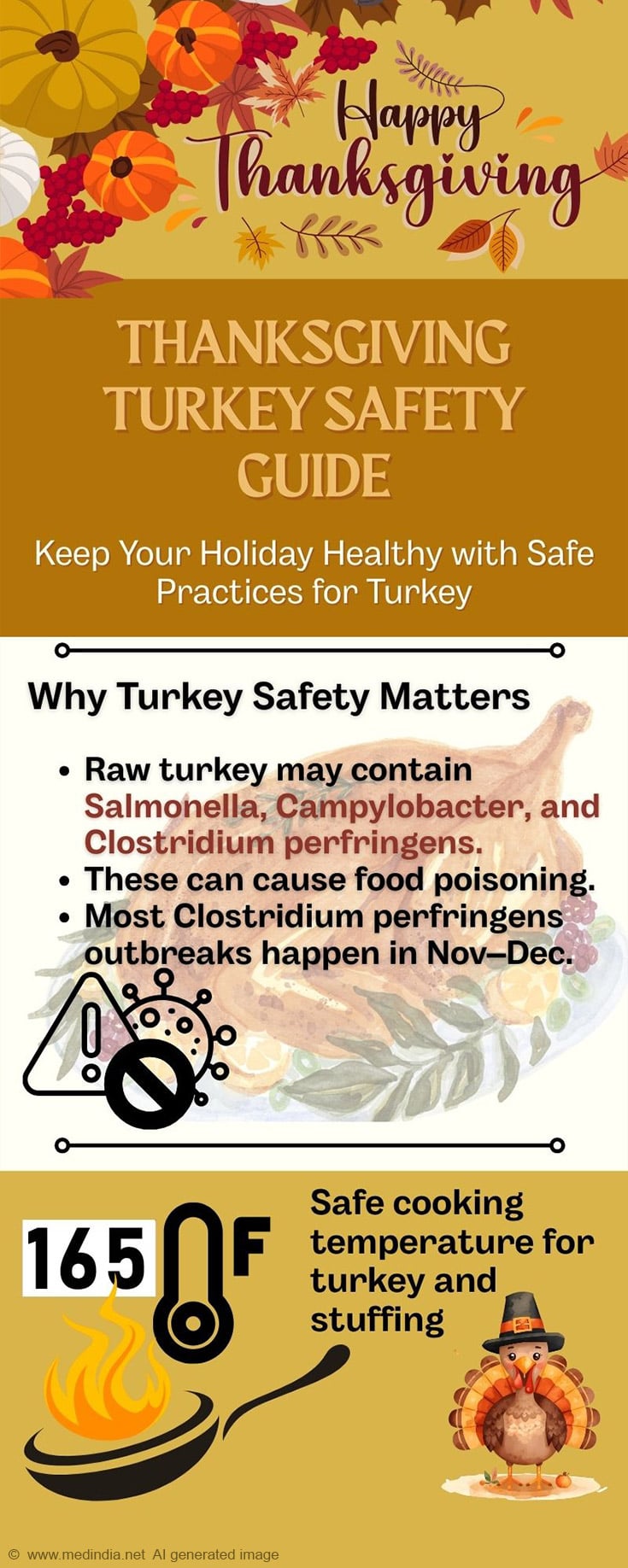
Raw turkey may contain harmful germs like Salmonella, Clostridium perfringens, and Campylobacter. These bacteria can spread easily, survive improper cooking and cause stomach cramps, vomiting, and other serious symptoms. Most Clostridium perfringens outbreaks actually happen in November and December, making holiday meals a high-risk time.
Store & Thaw Turkey Safely
Store correctly:
- Keep frozen turkey in the freezer at 0°F or below.
- Don’t leave it in random places.
- Refrigerator: 24 hrs for every 4–5 lbs; can stay thawed for 1–2 days.
- Cold water: Keep turkey in a leak-proof bag, change water every 30 minutes, and cook immediately.
- Microwave: Follow instructions; cook right after thawing.
- Never thaw on the counter—germs grow fast at room temperature.
Handle Turkey with Care
Raw turkey juices infect everywhere.
- Wipe your hands with soap for 20 seconds before/after handling the turkey.
- Cutting boards should be used separately when handling turkey and foods that are ready to eat.
- Wash utensils, surfaces, and boards with hot, soapy water after prep.
- Never reuse plates or boards that held raw turkey.
Cook The Turkey Right Every Time
Cooking is your best protection against food poisoning.
- Roast at 325°F or higher.
- Use a food thermometer—don’t rely only on pop-up timers.
- Turkey is safe only when it reaches 165°F in three places:
- Thickest part of the breast
- Where body and thigh join
- Where body and wing join
- It's safest to cook stuffing separately.
- If cooked inside the turkey, ensure stuffing also reaches 165°F.
- Let the turkey rest 20 minutes before removing stuffing or carving.
Meat Leftovers Need Quick Attention
Leftovers can cause food poisoning if not chilled quickly.
- Refrigerate within 2 hours (1 hour if the temperature is above 90°F).
- Cut large pieces of turkey into smaller chunks to cool quickly.
- Eat leftovers within 3–4 days; freeze for longer storage.
- Reheat everything to 165°F before eating.
Should You Wash Raw Turkey?
No—washing raw turkey spreads germs around your kitchen.
Despite old traditions, food safety experts have advised not washing turkeys since 2005. A study found that even after cleaning the sink, 1 in 7 people still left germs behind. If you still choose to wash it, sanitize the sink and nearby surfaces thoroughly.
A healthy Thanksgiving isn’t just about the food—it’s about keeping your family safe. By storing, thawing, handling, and cooking turkey properly, you can enjoy a delicious feast without the unwanted holiday “souvenirs” of food poisoning. A little care in the kitchen goes a long way toward a safe, happy celebration! (2✔ ✔Trusted Source
Preparing Your Holiday Turkey Safely
Go to source)

Try These Healthy Food Swaps This Thanksgiving
Despite enjoying traditional holiday favorites, maintain individual health goals while still enjoying holiday favorites.
Despite enjoying traditional holiday favorites, maintain individual health goals while still enjoying holiday favorites.
Say Yes To Dessert In Moderation
You can absolutely have dessert, but just be mindful.Choose a small slice of pie and go light on the whipped cream, or pick fresh fruit if you want something lighter. Holiday foods are also about tradition and culture, and they nourish the heart as much as the body. One slice of sweet potato pie won’t undo your year’s progress—it’s truly just one day.

Top Tips for a Healthy Thanksgiving
Here are some suggestions that could ensure that you remain healthy through Thanksgiving and the season ahead.
Here are some suggestions that could ensure that you remain healthy through Thanksgiving and the season ahead.
Move a Little to Keep You Better
Physical activity boosts mood, supports heart health, and helps balance a big meal. Make movement part of your celebration:- Take a walk with family
- Play outdoors with the kids
- Put on music and dance—one family even did a “Soul Train” line last year!
Remember: focus on the whole plate, not just one “healthy” choice. Enjoy your favorite holiday dishes—but keep servings reasonable.
References:
- Ideas for keeping Thanksgiving healthy - and happy - (https://www.heart.org/en/news/2023/11/20/ideas-for-keeping-thanksgiving-healthy-and-happy)
- Preparing Your Holiday Turkey Safely - (https://www.cdc.gov/food-safety/foods/holiday-turkey.html)
Source-Medindia
 Email
Email