MEDINDIA
 English
 हिन्दी
 Español
 français
 中文
中文

Very hot beverages may increase esophageal cancer risk, according to new research.
Highlights:
A major study published in the British Journal of Cancer has revealed that drinking tea and coffee at hot (65 °C) or very hot temperatures (> 65 °C) may significantly raise the risk of esophageal squamous cell carcinoma (ESCC). Researchers examined data from nearly half a million adults in the UK Biobank and found a clear link between beverage temperature, the number of cups consumed daily, and cancer risk (1✔ ✔Trusted Source- Very hot drinks may damage the esophagus and raise cancer risk
- Research linked temperature to risk
- Letting tea or coffee cool can be a protective habit
Hot beverage intake and oesophageal cancer in the UK Biobank: prospective cohort study
Go to source).
Esophageal Cancer - Types, Risk factors, Symptoms, Diagnosis, Treatment, Prevention, Prognosis
Esophageal cancer refers to malignancy of the food pipe which connects the throat to the stomach. It typically presents with difficulty in swallowing.
Esophageal cancer refers to malignancy of the food pipe which connects the throat to the stomach. It typically presents with difficulty in swallowing.
TOP INSIGHT

Did You Know?
Drinking tea above 60°C can nearly double esophageal cancer risk #cancerawareness #healthyhabits #medindia
Hot Beverage Consumption and Cancer Risk
The study identified 242 cases of ESCC and showed that people who drank 4 to 6 cups of hot beverages daily were almost twice as likely to develop the cancer compared to those who drank warm drinks or none at all. The risks were even more striking for those who drank very hot beverages. Consuming four or fewer cups of very hot drinks was linked to a 2.5-fold higher risk. At the highest level of intake, drinking more than 8 cups of very hot beverages per day, the risk jumped more than fivefold. Importantly, no such relationship was observed for esophageal adenocarcinoma (EAC), another form of esophageal cancer.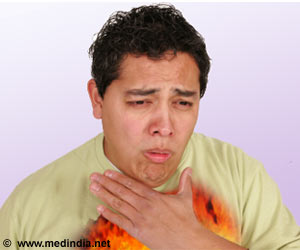
Drinking Piping Hot Beverages may Lead to Cancer of the Esophagus
Beverages surpassing 149 degrees Fahrenheit (65 degrees Celsius) may increase the risk of tumors in the esophagus, which resides in the chest area below the throat.
Beverages surpassing 149 degrees Fahrenheit (65 degrees Celsius) may increase the risk of tumors in the esophagus, which resides in the chest area below the throat.
Why Extremely Hot Drinks Harm the esophagus
Scientists believe the link is tied to thermal injury. When extremely hot liquids pass through the esophagus, they can repeatedly damage the lining of the esophagus. Over time, this injury may contribute to mutations and abnormal cell growth, eventually leading to ESCC. Previous studies in South America and Asia found similar risks from drinking maté and tea at very high temperatures, and this UK study provides evidence that the same danger exists in Western populations.Distinct Cancers, Distinct Risks
While ESCC and EAC occur in the esophagus, they have different causes and risk factors. ESCC has long been linked to smoking, heavy alcohol use, and poor nutrition. Conversely, EAC is more often associated with obesity, acid reflux, and

Drinking Very Hot Tea May Up Esophageal Cancer Risk
Drinking too hot tea regularly can put you at a higher risk esophageal cancer, reveals a new study.
Drinking too hot tea regularly can put you at a higher risk esophageal cancer, reveals a new study.
British Habits and Global Concerns
In the UK, tea and coffee are cultural staples, often consumed several times daily. Most study participants reported adding milk to tea or coffee, which typically lowers drink temperature. Yet even with this cooling factor, those who preferred hot or very hot drinks were still at greater risk. This suggests that the danger lies in habitually drinking liquids hotter than the body can comfortably tolerate, regardless of the type of drink.The International Agency for Research on Cancer has already classified very hot drinks as “probably carcinogenic to humans” globally. This study's findings reinforce that warning in a Western setting, where the tradition of hot tea and coffee drinking is deeply rooted.

Obese People Likely to Develop Oesophageal Cancer
A new research has found that obese people are six times more likely to develop oesophageal cancer than people with healthy weight.
A new research has found that obese people are six times more likely to develop oesophageal cancer than people with healthy weight.
What This Means for Everyday Choices
The study’s results do not suggest that tea and coffee are harmful. In fact, other research has linked both drinks to benefits such as reduced risk of heart disease and improved longevity. Instead, it is the temperature that poses a problem. Allowing drinks to cool slightly before sipping may reduce the risk while letting people enjoy their daily rituals.Practical Steps for Safer Drinking
- Wait a few minutes before drinking freshly made tea or coffee.
- Add milk or a little cool water to bring the temperature down.
- Be mindful of the urge to gulp extremely hot beverages down.
A Key Takeaway on Lifestyle Risk and Cancer Prevention
This large-scale study offers a clear message: it is not the tea or coffee itself, but the heat at which they are consumed that raises the risk of esophageal cancer. For many, the ritual of a steaming hot drink feels comforting, but science now suggests that patience pays off. Taking just a little extra time before that first sip may protect the delicate lining of the esophagus and reduce long-term cancer risk.Take a moment to let your tea or coffee cool before drinking. This minor adjustment could protect your throat and support healthier years ahead.
Reference:
- Hot beverage intake and oesophageal cancer in the UK Biobank: prospective cohort study - (https://www.nature.com/articles/s41416-025-02953-2)
Source-Medindia
 Email
Email