MEDINDIA
 English
 हिन्दी
 Español
 français
 中文
中文
Scientists uncover a circadian rhythm in heart cells that aids the understanding of their functional changes.
Broken Heart Syndrome on the Rise in Women: Study
Broken heart syndrome diagnosis is more common among middle-aged and older women. The rare condition has become more common, and the incidence has been rising steadily since well before the COVID-19 pandemic.
Broken heart syndrome diagnosis is more common among middle-aged and older women. The rare condition has become more common, and the incidence has been rising steadily since well before the COVID-19 pandemic.
TOP INSIGHT

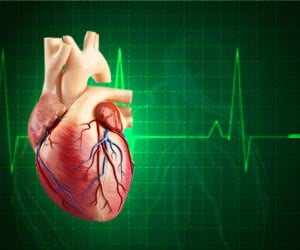
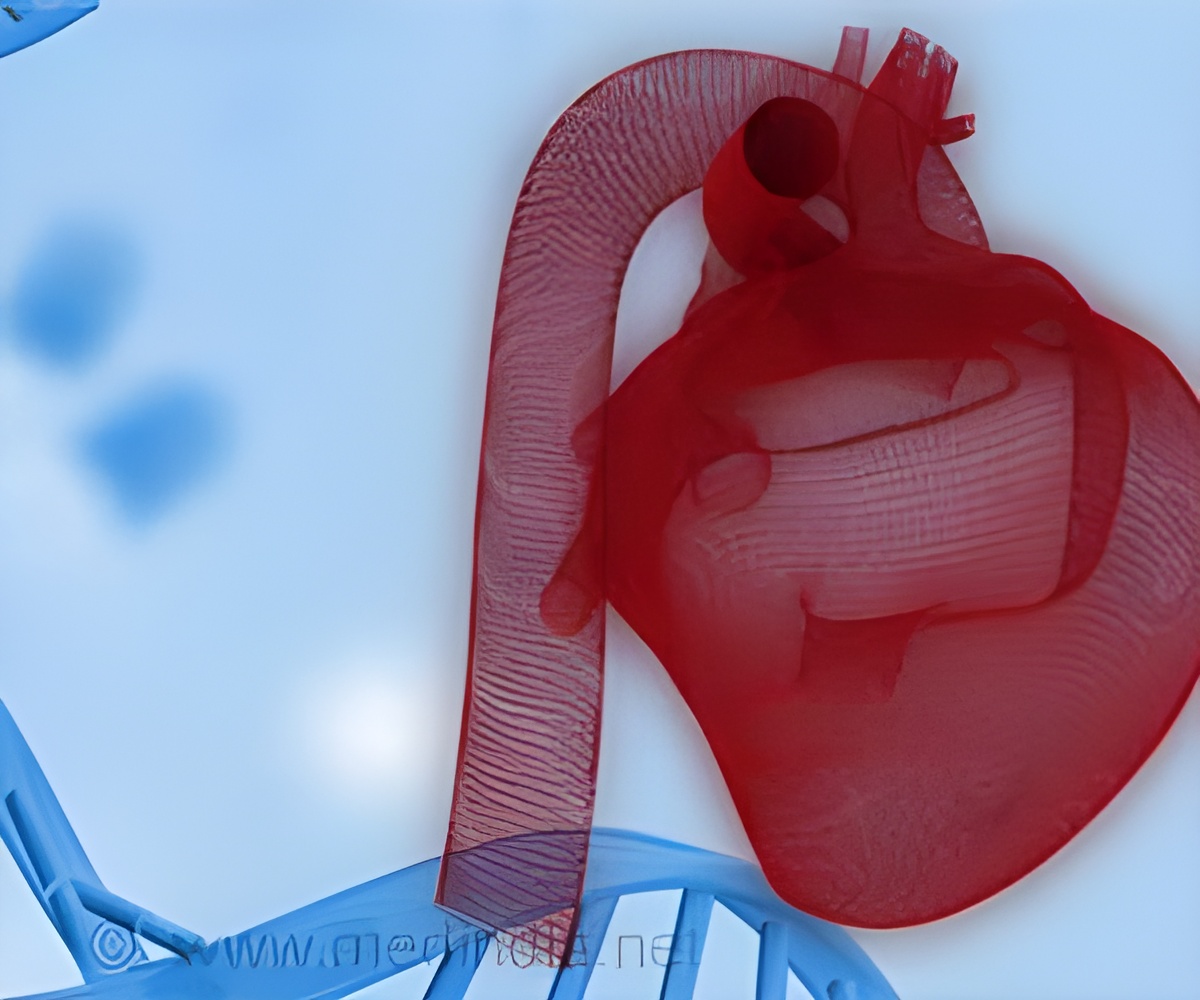
Scientists reveal that the circadian rhythm of heart cells aids the understanding of their functional changes over the day and also explains the vulnerability of shift workers to heart problems.
Variations in Circadian Rhythms
The existing data point to the existence of daily rhythms of heart function that are due to greater stimulation by the nervous system during the day. However, the present study demonstrates how circadian rhythms within each heart cell can affect the heart rate.

Heart Muscle Inflammation Seldom Occurs After COVID-19 mRNA Vaccination
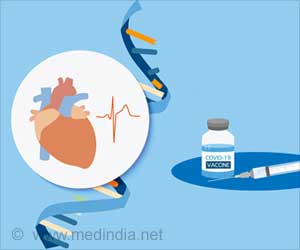
Adults who received at least one COVID-19 mRNA vaccine shot have a low risk of acute myocarditis (inflammation of the heart muscle), and chances are 5.8 cases per million after the second dose.
Adults who received at least one COVID-19 mRNA vaccine shot have a low risk of acute myocarditis (inflammation of the heart muscle), and chances are 5.8 cases per million after the second dose.
It was found that as much as 30% changes were noted in the sodium/potassium levels in isolated cells and heart tissue. This imparts a striking two-fold daily variation to the electrical activity of isolated heart cells.

Concerns of Increased Heart Disease Risk Due to Hormone Therapy Debunked
For women who begin hormone therapy before the age of 60 and within ten years of menopause onset, the benefits usually outweigh the risks.
For women who begin hormone therapy before the age of 60 and within ten years of menopause onset, the benefits usually outweigh the risks.
Source-Medindia

Kerala's First Artificial Heart Implantation
In Kerala, the first artificial heart implantation was successfully performed at a private hospital on a 61-year-old woman patient.
In Kerala, the first artificial heart implantation was successfully performed at a private hospital on a 61-year-old woman patient.
 Email
Email