MEDINDIA
 English
 हिन्दी
 Español
 français
 中文
中文
Study reveals why inherited genetic variants contribute to fatal heart failure following myocarditis in pediatric patients.
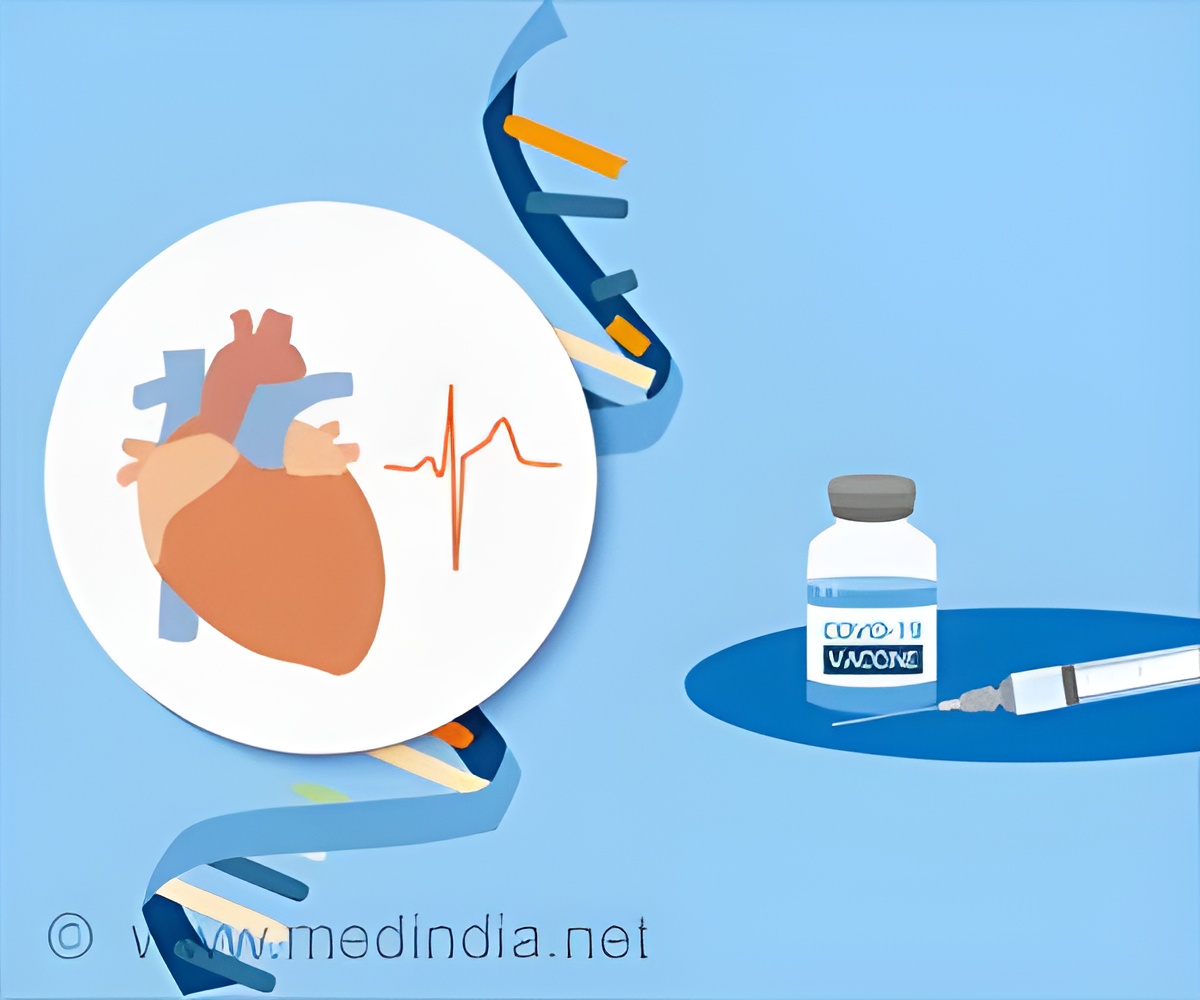
Cardiomyopathy-Associated Pathogenic Variants in Pediatric Myocarditis: A Study from the Pediatric Cardiomyopathy Registry
Go to source)
DCM causes heart chambers to weaken and often leads to sudden death in people under 20.
The research suggests the call for genetic testing as crucial for pediatric myocarditis patients.

Quiz on Healthy Heart
Heart disease is a major killer worldwide in spite of major strides in the medical field in terms of research, diagnosis, treatment and pharmacology. HIV/AIDS and Alzheimer’s disease are vying for popular attention these days and people tend to ...
Heart disease is a major killer worldwide in spite of major strides in the medical field in terms of research, diagnosis, treatment and pharmacology. HIV/AIDS and Alzheimer’s disease are vying for popular attention these days and people tend to ...
TOP INSIGHT

Did You Know?
34.4% of children who developed #heart_muscle_disease following #heart_inflammation had related #genetic_defects, highlighting #genetic_testing should be considered essential for tailored therapies. #hearthealth #childhealth #myocarditis #tailoredtherapy #genetesting
Comparing Cardiomyopathy and Myocarditis in Children
The findings strongly suggest that genetic testing would be beneficial for all children who present with myocarditis and cardiomyopathy, says Steven E. Lipshultz, MD, corresponding author of the paper and professor of pediatrics at the Jacobs School of Medicine and Biomedical Sciences at the University at Buffalo.“Very few doctors do genetic testing for cardiomyopathy-causing pathologic gene variants when a child comes in with new onset heart failure,” Lipshultz says. “That makes this study a game changer.”
The study compared 32 children with dilated cardiomyopathy and myocarditis to those with myocarditis who didn’t have dilated cardiomyopathy, and to heart-healthy controls.
Children with cardiomyopathy were part of the National Institutes of Health-funded Pediatric Cardiomyopathy Registry (PCMR), a network of U.S. and Canadian centers that Lipshultz founded and leads.
Why Do Only Some Children Develop Heart Failure?
“Historically and currently, we have always thought that particular infections lead to myocarditis with heart failure,” says Lipshultz.“But many kids get infections and in fact, during the first year of life, infants get about 7 infections on average. Yet very few infants and children with infections are diagnosed with myocarditis and heart failure or sudden death.”
For that reason, Lipshultz has long suspected there must be an additional factor putting these children at risk, especially when children with common viruses and upper respiratory symptoms develop sudden and severe onset of myocarditis, sometimes tragically resulting in sudden death.
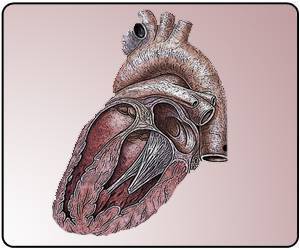
Myocarditis Caused By Infection is On the Rise, Globally
Myocarditis accounts for about 5% of sudden cardiovascular infant deaths and up to 20% of sudden cardiovascular death in adolescents.
Myocarditis accounts for about 5% of sudden cardiovascular infant deaths and up to 20% of sudden cardiovascular death in adolescents.
How Genes and Infection Combine to Cause Serious Heart Failure
“We previously found, with the help of data from the Centers for Disease Control, that some of these families had genetic mutations that made the immune systems of these children unable to protect them against common viruses,” he explains.Lipshultz was thinking that if a child had gene mutations for cardiomyopathy, it would reduce their cardiac reserve, the ability of the heart to handle increased physical demand.
He and his colleagues call this the “double hit.” The first “hit” is that the child is born with a pathological cardiomyopathy mutation that places them at higher risk for cardiomyopathy and heart failure, he explains.
The second “hit” is when the child gets an infection that ends up infecting the heart muscle cells and leading to myocarditis, inflammation in the heart.

A Closer Look at the Rise in Heart Inflammation in Newborns
Among infants infections from enterovirus are common, but the association to heart muscle inflammation (myocarditis) with severe outcomes is unusual.
Among infants infections from enterovirus are common, but the association to heart muscle inflammation (myocarditis) with severe outcomes is unusual.
Identifying Genetic Mutation as the Reason for Recurrent Illness
“In the new study, we found that a statistically significantly greater proportion of children coming into children’s hospitals and intensive care units for heart failure and new onset myocarditis had pathological cardiomyopathy gene mutations,” says Lipshultz.“These mutations result in less cardiac reserve and a higher likelihood of heart failure than those with myocarditis without heart failure. So, it’s very important to identify gene mutations in these patients when they are diagnosed.”
Those mutations, he says, also put these children at much higher risk for getting sick with heart failure with subsequent recurrent myocarditis episodes, which would also put them at increased risk for sudden cardiac death. For that reason, Lipshultz says, they are candidates for implantable cardiac defibrillators.
The bottom line for clinicians, says Lipshultz, is that if you don’t look for pathologic genetic mutations, then you won’t know if the patient is at higher risk for sudden death. “But if you do look and you find concerning risk factors, you should act,” he says.
Reference:
- Cardiomyopathy-Associated Pathogenic Variants in Pediatric Myocarditis: A Study from the Pediatric Cardiomyopathy Registry - (https://www.ahajournals.org/doi/10.1161/CIRCHEARTFAILURE.125.013104#:~:text=Based%20on%20contemporary%20bioinformatic%20prediction,have%20a%20P%2FLP%20variant.)
Source-Eurekalert
 Email
Email