MEDINDIA
 English
 हिन्दी
 Español
 français
 中文
中文
Myocarditis accounts for about 5% of sudden cardiovascular infant deaths and up to 20% of sudden cardiovascular death in adolescents.
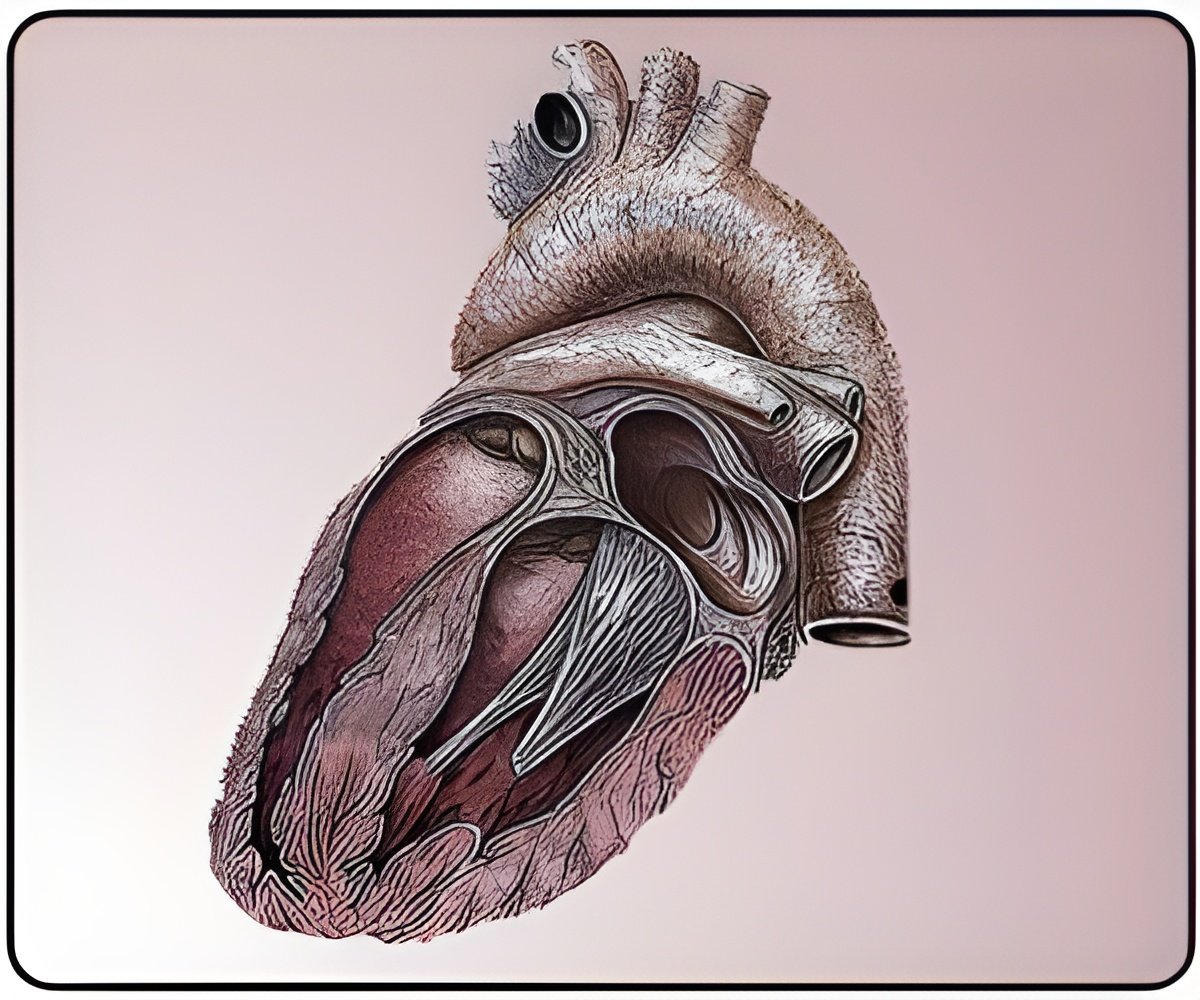
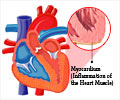
Myocarditis - Types, Causes, Symptoms, Complications, Treatment, Prognosis
Myocarditis is an inflammation of the heart muscle. It is caused due to the body’s immune system reacting against itself. It presents in various ways and is difficult to diagnose.
Myocarditis is an inflammation of the heart muscle. It is caused due to the body’s immune system reacting against itself. It presents in various ways and is difficult to diagnose.
TOP INSIGHT

The most common cause of myocarditis is an infection usually viral that can damage heart muscle chronically or acutely in otherwise healthy people.
In the Journal of the American College of Cardiology study, he found that the rate of myocarditis and associated death is much higher in men than in women. This is likely due to testosterone-driven inflammation.
Early diagnosis is key to preventing long-term heart damage from myocarditis, Dr. Cooper says. If chronic disease results, scarring in the heart can promote heart failure. Although standard therapies are used to control symptoms of heart failure, new investigational therapies soon may enter clinical trials, and new management of the disorder is being discussed, Dr. Cooper says.

Clinical Forms of Heart Disease Resulting from Virus Infections
Researchers have published an article discussing the different clinical forms of heart disease resulting from virus infections including the prognosis, and therapies.
Researchers have published an article discussing the different clinical forms of heart disease resulting from virus infections including the prognosis, and therapies.
An example is coxsackie virus, which up to 70 percent of U.S. residents have been exposed to by the time they are 30. "But only 1 to 2 percent of people with acute coxsackie virus infection develop cardiac symptoms," Dr. Cooper said.
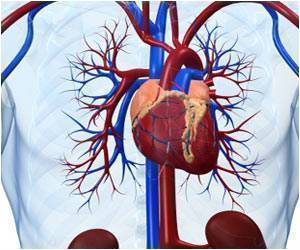
Immune Cells Cause Inflammation of Heart Muscle
Heart muscle inflammation (myocarditis) is caused by the action of a specific type of immune cells, say scientists.
Heart muscle inflammation (myocarditis) is caused by the action of a specific type of immune cells, say scientists.
To prevent the disorder from worsening in children, Dr. Cooper suggests that aerobic exercise be limited for several weeks after a suspected coxsackie virus infection, and "if a child or adolescent develops breathing difficulties or chest pain with evidence of myocarditis, my recommendation is to avoid competitive sports for at least three months," Dr. Cooper says.

Study: Newly Approved Blood Thinner may Increase Susceptibility to Some Viral Infections
A study indicates that a newly approved blood thinner that blocks a key component of the human blood clotting system may increase the risk and severity of certain viral infections.
A study indicates that a newly approved blood thinner that blocks a key component of the human blood clotting system may increase the risk and severity of certain viral infections.
Most people (60-70 percent) with acute cardiomyopathy from myocarditis get better. About 10-15 percent develops irreversible chronic disease due to scars in the heart created by the infection, Dr. Cooper says. These patients are treated with standard heart failure therapies, but 20 percent die during the decade following infection due to heart failure.
"I see patients everyday with this disorder," Dr. Cooper says. "We are on the cusp of trying more tailored treatment, and it can't come soon enough."
Source-Eurekalert
 Email
Email