MEDINDIA
 English
 हिन्दी
 Español
 français
 中文
中文
A CHOP study shows how quality improvement strategies rapidly increased fluoride varnish use in young children’s checkups.

Enhancing Pediatric Dental Health: New Initiative to Boost Varnish Application Rates at CHOP Primary Care Network
Go to source).

Dental Caries in Children can be Prevented With Fluoride Varnish
Dental caries in small children can be avoided with fluoride varnish application, according to a report by the German Institute for Quality and Efficiency in Health Care.
Dental caries in small children can be avoided with fluoride varnish application, according to a report by the German Institute for Quality and Efficiency in Health Care.
TOP INSIGHT

Did You Know?
From 3.7% to 30.5% in just a year, dental varnish usage has drastically improved with CHOP’s initiative! #toothdecay #dentalvarnishes #oralhealth #dentalhealth #medindia
The Challenge: Big Gaps in Care
Before the project began, only 3.7% of eligible visits included varnish application.- Only 0.7% of the visits made by commercially insured kids received varnish.
- Medicaid-insured children only made up 9.1% of visits.
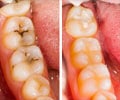
Prevent Tooth Decay in Children by Using Dental Sealants
Dental sealants are considered as the quickest, safest and pain-free method to prevent cavities. Dental sealants are also known as pit and fissure sealants.
Dental sealants are considered as the quickest, safest and pain-free method to prevent cavities. Dental sealants are also known as pit and fissure sealants.
Focus on Quality Improvement
CHOP rolled out a step-by-step quality improvement (QI) program across its 33 pediatric practices, serving more than 100,000 young children. Key strategies included:- Electronic Health Record (EHR) prompts reminding doctors to apply varnish
- Education sessions for providers
- Certification credits linked to professional learning
- Financial incentives tied to performance

Dental Check-Up
It is commonly recommended that you visit the dentist twice a year to clean your teeth and gums and also do the basic check–ups.
It is commonly recommended that you visit the dentist twice a year to clean your teeth and gums and also do the basic check–ups.
Visit Rates Increased
The impact was dramatic:- Visit rates jumped from 3.7% to 30.5% in less than a year.
- The proportion of children receiving at least one varnish annually doubled from 25% to over 50%.
- The 33 practices embraced the use of varnish, all with financial viability being demonstrated through a growth in reimbursements.
- The gains were comparable across all races, ethnicities, and insurance types and bridged the existing gaps.

Tooth Decay - Causes, Symptoms, Diagnosis, Treatment & Prevention
Tooth decay in toddlers, children and adults, also called dental caries, is a bacterial infection causing demineralization and destruction of the hard tissues of the teeth.
Tooth decay in toddlers, children and adults, also called dental caries, is a bacterial infection causing demineralization and destruction of the hard tissues of the teeth.
Preventive Dental Care is Essential
This project demonstrates that preventive dental care can be scaled in a short time and with the help of a proper combination of technology, training, and incentives. The CHOP model demonstrates that varnish not only protects smiles but is also cost-effective for health systems.A Smile-Friendly Future
CHOP’s success highlights how primary care practices can make dental varnish a normal part of child checkups nationwide. By integrating prevention into everyday visits, pediatricians can help ensure that every child—regardless of race, background, or insurance—grows up with healthier teeth and fewer cavities.Reference:
- Enhancing Pediatric Dental Health: New Initiative to Boost Varnish Application Rates at CHOP Primary Care Network - (https://clinicalfutures.research.chop.edu/enhancing-pediatric-dental-health-new-initiative-boost-varnish-application-rates-chop-primary-care)
Source- Children's Hospital of Philadelphia
 Email
Email