MEDINDIA
 English
 हिन्दी
 Español
 français
 中文
中文
Space travel may endanger oral health—new research links microgravity with faster progression of periodontitis.

Microgravity Exacerbates Periodontitis InVivo
Go to source).
New Insights into Space Travel-related Back Pain
A new report predicts an increase in the number of people experiencing the physical toll of space travel, including highly common forms of back pain.
A new report predicts an increase in the number of people experiencing the physical toll of space travel, including highly common forms of back pain.
TOP INSIGHT

Did You Know?
Even your gums aren’t safe in space—zero gravity can speed up bone loss around your teeth and make your gums more inflamed.
#boneloss #zerogravity #periodontalhealth #periodontitis #gumcare #space #spacehealth #medindia
Gums in Zero Gravity
Researchers simulated microgravity in periodontitis-infected mice and found that the disease progressed faster than in control groups. The research findings revealed the following:- Enhanced alveolar bone resorption by mice exposed to microgravity.
- Increased pro-inflammatory cytokine transcription (TNF-a, IL-1b).
- Amplified osteoclastogenesis—the breakdown of bone tissue.
- An overall worsening of clinical signs of gum disease.
Why Does Microgravity Make Gum Disease Worse?
- Disruption of Immune Regulation
The immune system functions differently in microgravity. It becomes more difficult to control oral bacterial infections, such as Porphyromonas gingivalis, which is a contributing cause to periodontitis, when immunity is compromised. - Accelerated Bone Loss
Periodontitis already leads to the degradation of the alveolar bone that supports the teeth, and in microgravity, this bone loss is further accelerated. - Altered Cellular Behavior
Microgravity causes osteoclasts and macrophages, which are involved in inflammation and bone resorption, to react abnormally by becoming hyperactive or deregulated.
Thyroid Cancer Cells Become Less Aggressive in Outer Space
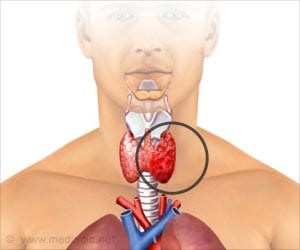
For people who think that space exploration offers no tangible benefits for those of us on earth, a new research involving thyroid cancer may prove otherwise.
For people who think that space exploration offers no tangible benefits for those of us on earth, a new research involving thyroid cancer may prove otherwise.
Mouth Care in Microgravity
As the global space race heats up with missions to Mars and plans for space tourism, oral healthcare must evolve accordingly. Some of the key considerations to be noted are- Pre-flight dental screening and treatment.
- Portable diagnostic tools for detecting gum disease in space.
- Anti-inflammatory therapies that work in altered gravity.
- Microbial load monitoring during missions.
Interestingly, the mechanism of microgravity may be similar to that of normal biological conditions, such as aging, or those who are immunocompromised, such as those with osteoporosis or an autoimmune disease. The study could open new therapeutic pathways for managing periodontitis by targeting inflammation and bone loss more effectively.
Reference:
- Microgravity Exacerbates Periodontitis InVivo - (https://www.researchgate.net/publication/392270053_Microgravity_Exacerbates_Periodontitis_In_Vivo)
Source-University of Sharjah

Red Wine Excellent 'Space Drink' Too: Research
This is good news for astronauts. A research in France has claimed that drinking red wine can counteract some of the most common physiological effects of microgravity.
This is good news for astronauts. A research in France has claimed that drinking red wine can counteract some of the most common physiological effects of microgravity.
 Email
Email