MEDINDIA
 English
 हिन्दी
 Español
 français
 中文
中文
Bird flu found in cows and milk sparks questions about food safety, though pasteurised milk remains safe.
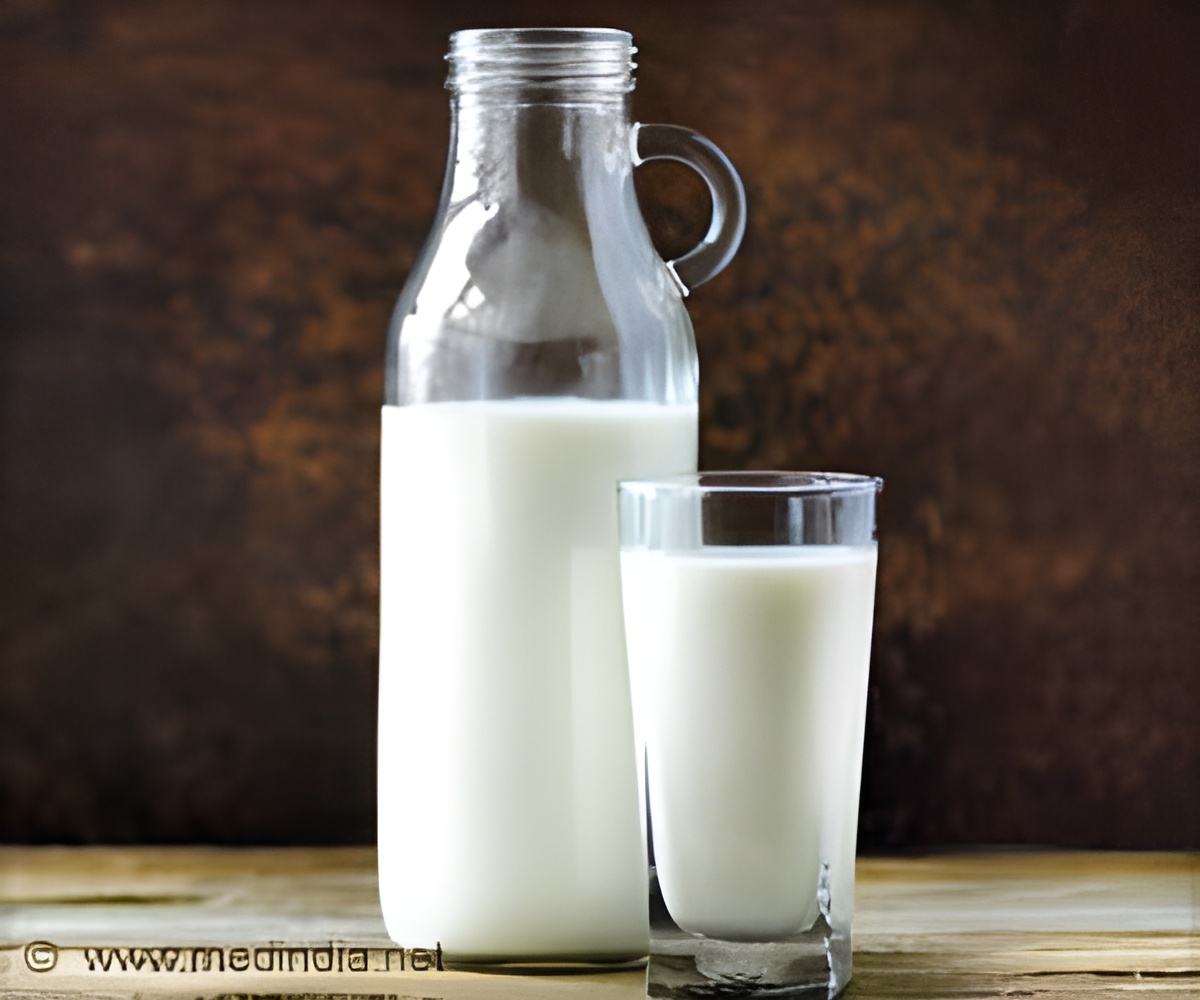
Repeated oral exposure to H5N1 influenza virus in pasteurized milk does not cause adverse responses to subsequent influenza infection
Go to source)?

Drinking Raw Milk Increases Risk for Food-Borne Illness
The new study found that microbial contaminants in milk include infectious Salmonella, Campylobacter, and Listeria species along with the Escherichia coli type O157:H7.
The new study found that microbial contaminants in milk include infectious Salmonella, Campylobacter, and Listeria species along with the Escherichia coli type O157:H7.
TOP INSIGHT

Did You Know?
Bird flu in cows is a wake-up call—milk is safe, but vigilance is vital!
#pasteurisation #milk #birdflu #medindia
Pasteurisation: The First Line of Defense
The reassuring news is that pasteurisation works. This common heat treatment kills viruses and bacteria in milk, including the H5N1 strain. In other words, the cartons in your fridge are not contagious. Bird flu cannot be contracted when you drink milk available in the stores.However, scientists observed something new—pasteurisation kills live viruses, but not all the fragments of it. Small fragments of viral proteins and genetic material can survive, and these can still react with our immune system.
What Happens When the Body Meets Viral Fragments?
In a recent mice study, mice fed pasteurised H5N1 milk did not get sick. But their bodies behaved as though they were met with a virus:- The gut immune system lit up, showing signs of inflammation.
- Mice even produced antibodies, the protective proteins that fight infections.
Avian Influenza / Bird Flu-Causes-Symptoms-Treatment- FAQs
Bird flu (avian influenza/avian flu) is a disease caused by an influenza virus (H5N1) that primarily affects birds but can infect humans also.
Bird flu (avian influenza/avian flu) is a disease caused by an influenza virus (H5N1) that primarily affects birds but can infect humans also.
Why Scientists Are Concerned
Until now, there is no evidence that bird flu can be transmitted to human beings via milk. Nevertheless, the appearance of the H5N1 in dairy cows is worrying. Viruses may be unpredictable, and every new jump across species poses new threats.Researchers are interested in learning whether or not repeated exposure to viral fragments could:
- Alter the immune system over time
- Affect people with weakened immunity
- Increase the chances of the virus adapting further
Bird Flu Outbreak in the US: Implications for Food Safety and Human Health
Exploring the bird flu outbreak in the US, its impact on food safety, and measures to mitigate risks to human health.
Exploring the bird flu outbreak in the US, its impact on food safety, and measures to mitigate risks to human health.
For Everyday Milk Consumers
The takeaway is simple:- Pasteurised milk is safe. There’s no evidence it can give you bird flu.
- Raw, unpasteurised milk is riskier, not just for bird flu but for many other infections. Experts strongly advise against it.
- The bigger issue is what this viral crossover means for the future of food safety and pandemic preparedness.
Reference:
- Repeated oral exposure to H5N1 influenza virus in pasteurized milk does not cause adverse responses to subsequent influenza infection - (https://www.science.org/doi/10.1126/sciadv.aeb3906)
Source-Science Advances
 Email
Email