MEDINDIA
 English
 हिन्दी
 Español
 français
 中文
中文
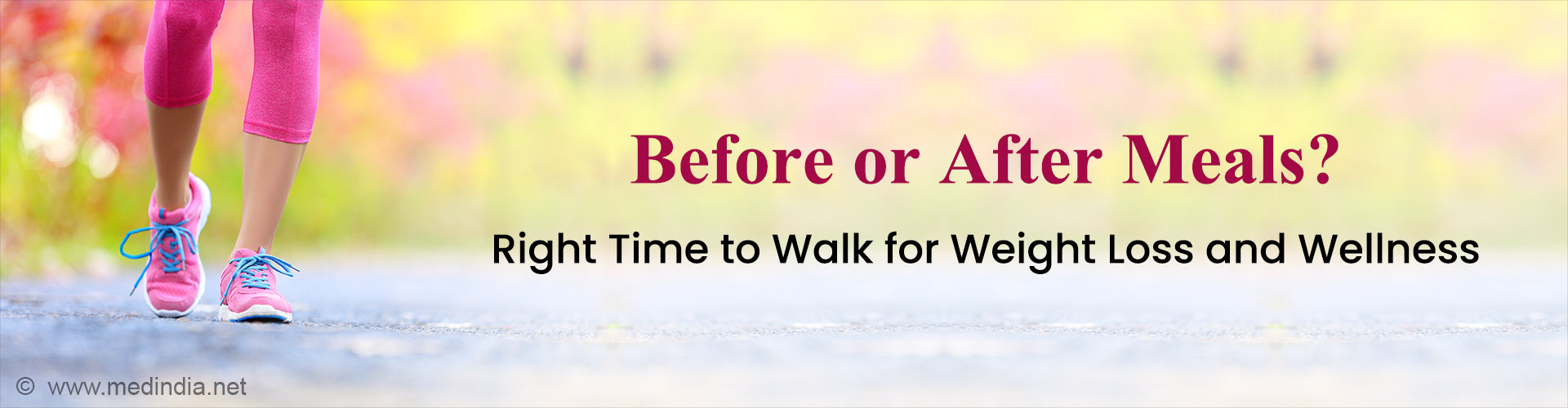
Walking shortly after meals improves blood sugar control and enhances weight loss outcomes.
Highlights:
Maintaining a consistent walking routine offers numerous health benefits. It can enhance sleep quality, support heart health, uplift mood, and even increase your lifespan. Additionally, walking may help lower your risk of heart disease and hypertension. Research also suggests that the timing of your walks—whether before or after meals—can influence the specific health outcomes (1✔ ✔Trusted Source- Walking after meals can regulate blood sugar and promote weight loss
- A brisk walk on an empty stomach boosts metabolism and fat burning
- Just 10 minutes of walking daily improves digestion and energy
The multifaceted benefits of walking for healthy aging: from Blue Zones to molecular mechanisms
Go to source). Studies indicate that walking on an empty stomach may promote fat burning and elevate metabolism. Conversely, walking right after a meal can support weight loss, improve digestion, and aid in blood sugar regulation.

Walking As An Exercise-Health Benefits-Practice-Dos and Don’ts-Video
People walk for many reasons ranging from pleasure to mental relaxation, finding solitude or for exercise.
People walk for many reasons ranging from pleasure to mental relaxation, finding solitude or for exercise.
TOP INSIGHT

Did You Know?
Just 2 to 5 minutes of walking after a meal can help manage blood sugar levels and improve digestion more effectively than sitting still. #medindia #bloodsugar #walkingbenefits #healthylifestyle
Should You Walk Before or After Eating?
The decision to walk before or after a meal depends on personal goals and preferences. Both timings offer health benefits, such as helping with weight management and controlling blood sugar.After dinner rest a while, after supper walk a mile? A systematic review with meta-analysis on the acute postprandial glycemic response to exercise before and after meal ingestion in healthy subjects and patients with impaired glucose tolerance
Go to source).
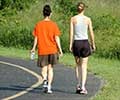
What is the Best Time to Walk Everyday? - Frequently Asked Questions
This section has a list of questions about What is the Best Time to Walk Everyday.
This section has a list of questions about What is the Best Time to Walk Everyday.
Health Perks of Pre-Meal Walking
Going for a walk first thing in the morning or three to four hours after your last meal can jumpstart your metabolism and encourage your body to burn stored fat rather than recent calorie intake, aiding weight loss.A study found that individuals who exercised on an empty stomach burned about 70% more fat compared to those who worked out two hours’ post-meal (3✔ ✔Trusted Source
The effect of a short-term physical activity after meals on gastrointestinal symptoms in individuals with functional abdominal bloating: a randomized clinical trial
Go to source).
Taking a walk before eating can offer several health benefits, such as:
- Increased energy levels
- Enhanced metabolism
- Improved circulation
- Reduced blood lipid levels
- Better blood sugar regulation
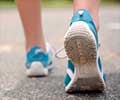
Morning Walks vs. Post-Meal Strolls: When Should You Walk?
When is the best time to walk for optimal health benefits? Explore the pros and cons of walking before meals, after meals, and in the morning.
When is the best time to walk for optimal health benefits? Explore the pros and cons of walking before meals, after meals, and in the morning.
Health Benefits of Walking After Meals
Post-meal walks also offer various benefits, particularly for digestion, weight management, and blood sugar control (4✔ ✔Trusted SourceIs exercise best served on an empty stomach?
Go to source).
- Supports Digestive Health: Research shows that walking after meals helps speed up digestion and can alleviate bloating. For individuals prone to gas, belching, or bloating, walking for 10 to 15 minutes after eating helped ease symptoms.
- Regulates Blood Sugar: One of the most significant advantages of post-meal walking is its effect on glucose levels. Whether you're managing diabetes or aiming to prevent it, walking after meals helps lower blood sugar by burning glucose. Even a brief walk of 2 to 5 minutes can be effective.
- Aids Weight Loss: While regular walking helps with weight management overall, studies show that walking at a brisk pace for 30 minutes right after eating can be more effective for weight loss than walking an hour later. Multiple studies support this finding.

Walk After Dinner: The Simplest Key to Better Health
What's the simplest way to boost digestion, sleep, and mood? A 15-minute post-dinner walk- your one-stop wellness ritual!
What's the simplest way to boost digestion, sleep, and mood? A 15-minute post-dinner walk- your one-stop wellness ritual!
Optimal Walking Timing Around Meals
The ideal timing of your walks depends on your health goals.Before Meals:
Aim to walk after a fasting period, such as first thing in the morning or at least 3–4 hours after your last meal. This ensures your body burns fat rather than recently consumed calories.
After Meals:
If your focus is on blood sugar stabilization or weight loss, walk as soon as possible after eating—ideally within 30 minutes. This is because blood glucose peaks 30–60 minutes after a meal, so walking before the peak can help regulate it more effectively.
In fact, studies show that walking for 30 minutes after lunch and dinner is linked to greater weight loss than waiting an hour or more.
Tips for Walking to Improve Digestion
Walking regularly—regardless of time—supports well-being. But if your goal is better digestion, here are some tips (5✔ ✔Trusted SourceThe Effects of Postprandial Walking on the Glucose Response after Meals with Different Characteristics
Go to source)
- Timing Matters: To manage blood sugar, walk immediately after eating.
- Watch Post-Exercise Eating Habits: After walking, be mindful of food choices. Some people reward themselves with less nutritious foods or feel discouraged if the walk wasn’t enjoyable. Also, you don’t need to eat immediately post-exercise—glycogen stores remain stable for up to four hours after.
- Start Small if Needed: If 30 minutes feels like too much, even 2–5 minutes of walking after a meal can be beneficial.
- Avoid Intense Workouts Post-Meal: Stick to walking rather than high-intensity workouts, which can worsen symptoms for those with conditions like IBS or GERD.
- Track Your Steps: To help manage or prevent type 2 diabetes, aim for about 10,000 steps per day. Walking after meals supports blood sugar control and helps you reach that daily step goal.
Regardless of when you walk, incorporating daily walks into your routine can greatly enhance your health. If you're just starting out, speak with a healthcare provider before beginning a walking plan.
References:
- The multifaceted benefits of walking for healthy aging: from Blue Zones to molecular mechanisms - (https://pubmed.ncbi.nlm.nih.gov/37495893/)
- After dinner rest a while, after supper walk a mile? A systematic review with meta-analysis on the acute postprandial glycemic response to exercise before and after meal ingestion in healthy subjects and patients with impaired glucose tolerance - (https://link.springer.com/article/10.1007/s40279-022-01808-7)
- The effect of a short-term physical activity after meals on gastrointestinal symptoms in individuals with functional abdominal bloating: a randomized clinical trial - (https://pmc.ncbi.nlm.nih.gov/articles/PMC8035544/)
- Is exercise best served on an empty stomach? - (https://www.cambridge.org/core/journals/proceedings-of-the-nutrition-society/article/is-exercise-best-served-on-an-empty-stomach/A04D0203FA9EE39985F0E8E8D2162D10)
- The Effects of Postprandial Walking on the Glucose Response after Meals with Different Characteristics - (https://www.mdpi.com/2072-6643/14/5/1080)
Source-Medindia
 Email
Email