MEDINDIA
 English
 हिन्दी
 Español
 français
 中文
中文
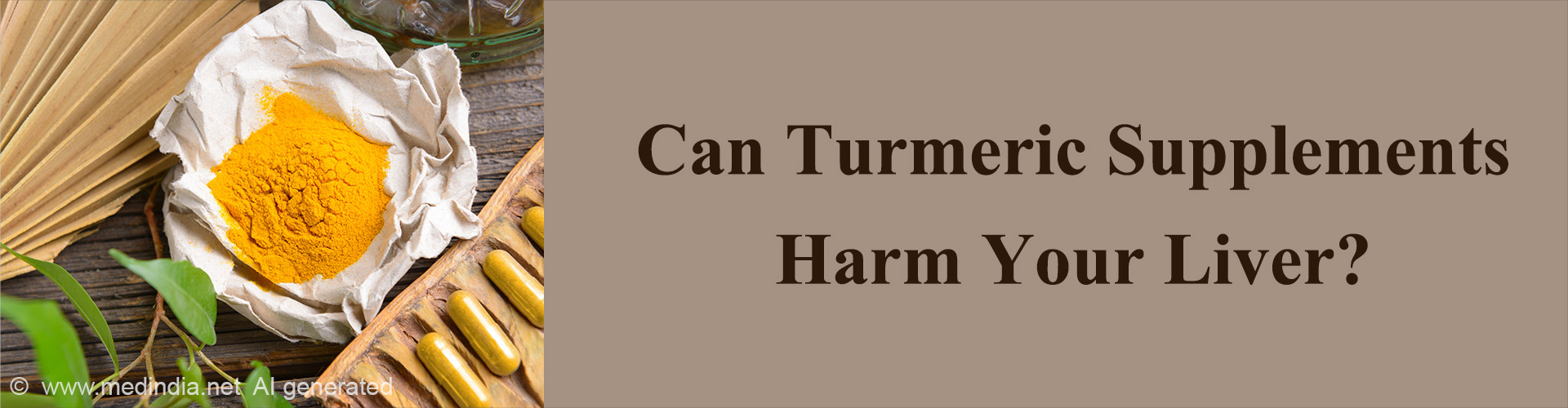
New findings link turmeric supplements to serious liver injury in some users, especially those carrying a specific HLA gene type. Experts call for caution and regulation.
Highlights:
Turmeric, the golden spice long hailed for its anti-inflammatory and antioxidant powers, is facing unexpected scrutiny. A new U.S.-based study has spotlighted a disturbing trend: turmeric supplements—especially those containing black pepper extract—could be linked to severe liver injury (1✔ ✔Trusted Source- Ten cases of turmeric-related liver injury identified since 2011
- Most affected were White women with a median age of 56
- HLA-B*35:01 gene found in 70% of affected individuals
Liver Injury Associated with Turmeric-A Growing Problem: Ten Cases from the Drug-Induced Liver Injury Network [DILIN]
Go to source).
Raw Turmeric: From Kitchen to Wellness
How can turmeric keep you healthy this winter? Discover its antibacterial, anti-inflammatory, and skin-nourishing magic for immunity, digestion, and beauty care!
How can turmeric keep you healthy this winter? Discover its antibacterial, anti-inflammatory, and skin-nourishing magic for immunity, digestion, and beauty care!
TOP INSIGHT

Did You Know?
Turmeric supplements may not be safe for everyone-your genes might decide the risk! #liverhealth #turmericrisk #medindia
Sharp Rise in Turmeric-Linked Liver Injuries
According to a new study published in The American Journal of Medicine, researchers from the Drug-Induced Liver Injury Network (DILIN) identified ten confirmed cases of turmeric-associated liver damage between 2011 and 2022. While the number may seem small, the severity and patterns of the injuries make these findings significant.Here are the key statistics:
- 8 out of 10 patients were women
- 9 out of 10 were White
- The median age was 56 years, ranging from 35 to 71 years
- 9 of the 10 showed a hepatocellular pattern of liver injury, similar to that seen in hepatitis
- 5 patients were hospitalized, and 1 patient died from acute liver failure.
- 7 of 7 supplements tested contained turmeric, and 3 also contained piperine
- 7 patients carried the HLA-B*35:01 gene, and 2 were homozygous, giving an allele frequency of 0.450, compared to just 5.6–6.9% in the general population

Top 10 Health Benefits Of Turmeric Tea
Turmeric is popularly known as golden spice as it offers an array of health benefits. Discover the health benefits of turmeric tea in treating various diseases.
Turmeric is popularly known as golden spice as it offers an array of health benefits. Discover the health benefits of turmeric tea in treating various diseases.
Why Turmeric Might Not Be as Harmless as It Seems
The Role of Piperine: Too Much of a Good Thing?
Turmeric’s active compound, curcumin, is poorly absorbed by the human body on its own. To boost its effectiveness, many supplement manufacturers add piperine, derived from black pepper. This compound can increase absorption by up to 2,000%, but may also amplify toxic effects on the liver.
Of the supplements analyzed in this study, three contained piperine—raising the possibility that this common enhancer may play a role in liver sensitization or damage.
Genetic Risk: The HLA-B*35:01 Connection
The study also revealed a remarkable genetic pattern. The HLA-B*35:01 allele, previously associated with green tea extract-induced liver damage, was found in 7 out of 10 turmeric-injury patients. Two patients were homozygous, meaning they inherited the gene from both parents.
To put that into perspective, only about 6% of the general population carry this allele—compared to 45% in this study cohort. This striking difference strongly points toward a genetic predisposition that could make turmeric supplements dangerous for some individuals.

Turmeric: A Natural Alternative for Indigestion Relief
Discover how turmeric offers a natural solution for indigestion, backed by research.
Discover how turmeric offers a natural solution for indigestion, backed by research.
What the Injuries Looked Like
Patients typically developed symptoms such as jaundice, abdominal pain, fatigue, and nausea within weeks to a few months of starting turmeric supplements. Lab work revealed elevated liver enzymes, and liver biopsies in four patients showed evidence of acute hepatitis or mixed cholestatic-hepatitic injury, often with eosinophil infiltration—a marker of allergic or immune-mediated damage.One patient sadly died of acute liver failure, while five others required hospitalization. The remainder improved after stopping turmeric supplements, but not without undergoing a battery of tests and, in some cases, receiving immunosuppressive treatment.
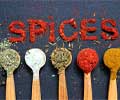
Cancer-Fighting Power of Spices
Can spices help prevent cancer? Science says yes! Discover how turmeric, ginger, garlic, and more may fight cancer and boost your health naturally.
Can spices help prevent cancer? Science says yes! Discover how turmeric, ginger, garlic, and more may fight cancer and boost your health naturally.
Why This Matters Now
Turmeric is more popular than ever. From wellness influencers to health food shelves, it's seen as a cure-all for everything from joint pain to digestive issues. But unlike prescription medications, herbal supplements are not tightly regulated. This means their composition, concentration, and purity can vary widely, even between batches of the same brand.The current findings serve as a wake-up call for consumers and health professionals. All tested supplements in the study contained turmeric, but none warned of possible liver risks. And those with piperine—commonly advertised as a benefit—might actually pose a hidden danger.
Don’t Ignore the Risks of “Natural” Remedies
Turmeric, while beneficial for many, is not risk-free. This study highlights that liver injury—though rare—can occur, especially in genetically susceptible individuals or those using high-dose, enhanced-absorption formulations.If you're using turmeric supplements and develop symptoms like yellowing of the skin or eyes, dark urine, unexplained fatigue, or abdominal pain, don’t dismiss them. Discontinue use and seek immediate medical attention.
Even more importantly, talk to your doctor before starting any supplement. Ask whether you might be at risk—and whether you really need it at all.
Reference:
- Liver Injury Associated with Turmeric-A Growing Problem: Ten Cases from the Drug-Induced Liver Injury Network [DILIN] - (https://www.amjmed.com/article/S0002-9343(22)00740-9/fulltext)
Source-Medindia
 Email
Email