MEDINDIA
 English
 हिन्दी
 Español
 français
 中文
中文

41 fruits and vegetables have been scientifically ranked for their disease-fighting nutrient power.
Highlights:
According to a groundbreaking study from William Paterson University, 41 out of 47 commonly consumed fruits and vegetables met the criteria to be classified as “powerhouse fruits and vegetables” (PFVs). These foods delivered at least 10% of the daily recommended intake of 17 key nutrients per 100 kcal (1✔ ✔Trusted Source- Watercress, Chinese cabbage, and chard are the most nutrient-dense foods
- Only 41 out of 47 fruits and vegetables qualify as true powerhouse items
- Blueberries, garlic, and onions did not make the powerhouse list
Defining Powerhouse Fruits and Vegetables: A Nutrient Density Approach
Go to source). Watercress earned a perfect score of 100, followed closely by Chinese cabbage (91.99), chard (89.27), and beet greens (87.08). Other well-known greens like spinach (86.43), parsley (65.59), and kale (49.07) also made the top half of the list. Only six foods, including blueberries and onions, failed to make the PFV list.
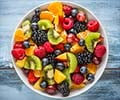
Nutrient-Rich Fruits: A Guide to Nature''s Superfoods
This section has a list of questions about Nutrient-Rich Fruits: A Guide to Nature''s Superfoods
This section has a list of questions about Nutrient-Rich Fruits: A Guide to Nature''s Superfoods
TOP INSIGHT

Did You Know?
Watercress tops the nutrient density list while berries like blueberries don’t even make the powerhouse cut. #powerhousefoods #nutritionmatters #medindia
What Makes a Powerhouse Fruit or Vegetable?
The study introduced a unique method for measuring nutrient density. Rather than evaluating nutrients in isolation, researchers examined how much nutrition each food provides per calorie consumed. The formula took into account 17 nutrients of public health importance, such as fiber, potassium, vitamins A, C, and K, as well as minerals like calcium, zinc, and iron.Foods were considered “powerhouse” if they delivered an average of 10% or more of the daily value of these nutrients per 100 kcal. The goal was to help consumers make smarter choices not just based on food groups, but on actual nutritional return for energy spent.

Healthiness of Foods Ranked from Best to Worst
A new tool Food Compass developed by researchers ranks more than 8,000 foods and beverages in order of how healthy they are, considering both the positive and negative factors equally into their system.
A new tool Food Compass developed by researchers ranks more than 8,000 foods and beverages in order of how healthy they are, considering both the positive and negative factors equally into their system.
The Leafy Green Advantage
It’s no surprise that leafy greens took the crown in this study. These vegetables are naturally low in calories and high in multiple essential nutrients. For example, just 100 kcal of watercress or spinach provides almost your full day’s worth of several vitamins without contributing to excess calorie intake.This combination of high nutrient adequacy and low energy density is exactly what the study was designed to highlight. The closer a food gets to 100 on the scale, the more nutritional bang you’re getting for your bite.

Beat the Heat With These Hydrating Fruits & Vegetables
Discover the best water-rich foods to stay hydrated and healthy during the summer and how these fruits and veggies boost hydration.
Discover the best water-rich foods to stay hydrated and healthy during the summer and how these fruits and veggies boost hydration.
Citrus and Color: Bright Foods Still Matter
Fruits like lemons, oranges, and limes scored lower in nutrient density, but that doesn’t mean they lack health benefits. Their high vitamin C content and antioxidant profiles still support immunity and skin health. The study highlights that while these foods are beneficial, they should be balanced with more nutrient-dense vegetables to achieve optimal intake.
Slim Down your Waistline with These 6 Nutrient-Rich Vegetables
Discover how incorporating spinach, winter melons, cauliflower, carrots, bitter melons, and cucumbers into your diet can help you shed belly fat and improve overall health.
Discover how incorporating spinach, winter melons, cauliflower, carrots, bitter melons, and cucumbers into your diet can help you shed belly fat and improve overall health.
How to Add Nutrient-Dense Vegetables and Fruits to Your Daily Diet
Knowing which foods pack the most nutrients per calorie can help you create meals that support long-term health. For instance, adding spinach or watercress to a smoothie or salad can elevate its nutritional profile significantly. Pairing a sweet potato (which barely met the PFV cut at 10.51) with a serving of broccoli (34.89) creates a more balanced plate.This ranking system also makes it easier to identify better choices within each food group. Instead of grouping all leafy vegetables or citrus fruits together, we now know which specific ones offer the highest value.
A Tool for Smarter Eating
The classification scheme developed in this study does more than rank produce. It equips the public with a simple but powerful way to judge their food choices. By quantifying nutrient density, the study helps demystify the broad advice to “eat more fruits and vegetables” and instead shows which ones to eat more often.This can be especially helpful for people managing their weight, blood sugar, or chronic illnesses where maximizing nutrient intake per calorie is essential.
Not all fruits and vegetables are created equal, and this study offers the data to prove it. By choosing foods that deliver the most nutrition per calorie, you’re not just eating healthy, you’re eating smart. Watercress may not be a staple on your plate today, but it might be time to reconsider.
Make your plate powerful. Start today with one nutrient-rich choice that your future-self will thank you for later.
Reference:
- Defining Powerhouse Fruits and Vegetables: A Nutrient Density Approach - (https://www.cdc.gov/pcd/issues/2014/13_0390.htm)
Source-Medindia
 Email
Email