MEDINDIA
 English
 हिन्दी
 Español
 français
 中文
中文
Advances in technology have helped more patients survive acute illness and trauma, and these patients are increasingly transferred to long-term acute care hospitals.


Study Evaluates Mobile Acute Care of the Elderly Service With General Medical Service
A matched cohort study by scientists examined the use of the Mobile Acute Care of the Elderly (MACE) service compared with general medical service (usual care). (Online First)
A matched cohort study by scientists examined the use of the Mobile Acute Care of the Elderly (MACE) service compared with general medical service (usual care). (Online First)
TOP INSIGHT

Advances in technology have helped more patients survive acute illness and trauma, and these patients are increasingly transferred to long-term acute care hospitals (LTACHs).
"LTACHs provide high-quality care to the chronically critically ill patient population and partner with ICUs to ensure these patients transition seamlessly to the best level of care possible, helping to ensure successful clinical outcomes," said lead author Taryn Miller, clinical leadership development specialist with the LTACH division of Select Medical, Mechanicsburg, Pennsylvania. "The LTACH environment, with a focus on the patient's return to normalcy through the implementation of evidence-based protocols, has produced positive patient outcomes."
These hospitals may be located within the walls of a short-term acute care hospital, or they can be a freestanding facility. Categorized as a post-acute care facility, an LTACH provides care for patients with higher acuity needs than an inpatient rehabilitation facility or skilled nursing facility.

Post-Acute Care Associated With Higher Hospital Readmission Rates
A new study found that some hospitals refer fewer than 3 percent of their patients to inpatient facilities while others refer up to 40 percent.
A new study found that some hospitals refer fewer than 3 percent of their patients to inpatient facilities while others refer up to 40 percent.
Patients requiring acute dialysis, liberation from mechanical ventilation, complex wound management, management of one or more infectious disease processes, and those who require frequent administration or adjustment of intravenous medications may all be eligible for admission to an LTACH.
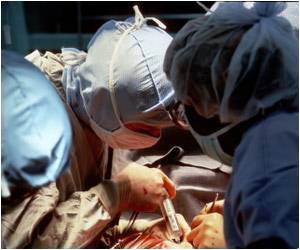
Surgical Care Quality and Cost for 2 Procedures can be Improved by Acute Care Model
The quality of surgical patient care at Loma Linda University Medical Center was significantly improved by an acute care model, researchers report
The quality of surgical patient care at Loma Linda University Medical Center was significantly improved by an acute care model, researchers report
Source-Newswise
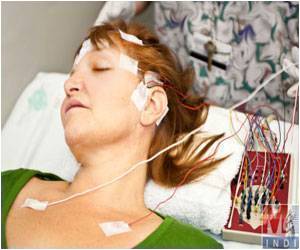
Cost of Stroke Care can be Reduced by Timely Acute Care
Timely acute care immediately after a stroke reduces the level of disability in stroke survivors, says new research
Timely acute care immediately after a stroke reduces the level of disability in stroke survivors, says new research
 Email
Email