MEDINDIA
 English
 हिन्दी
 Español
 français
 中文
中文
ML models predict low birth weight, but most studies exclude regions like Brazil and Latin America.
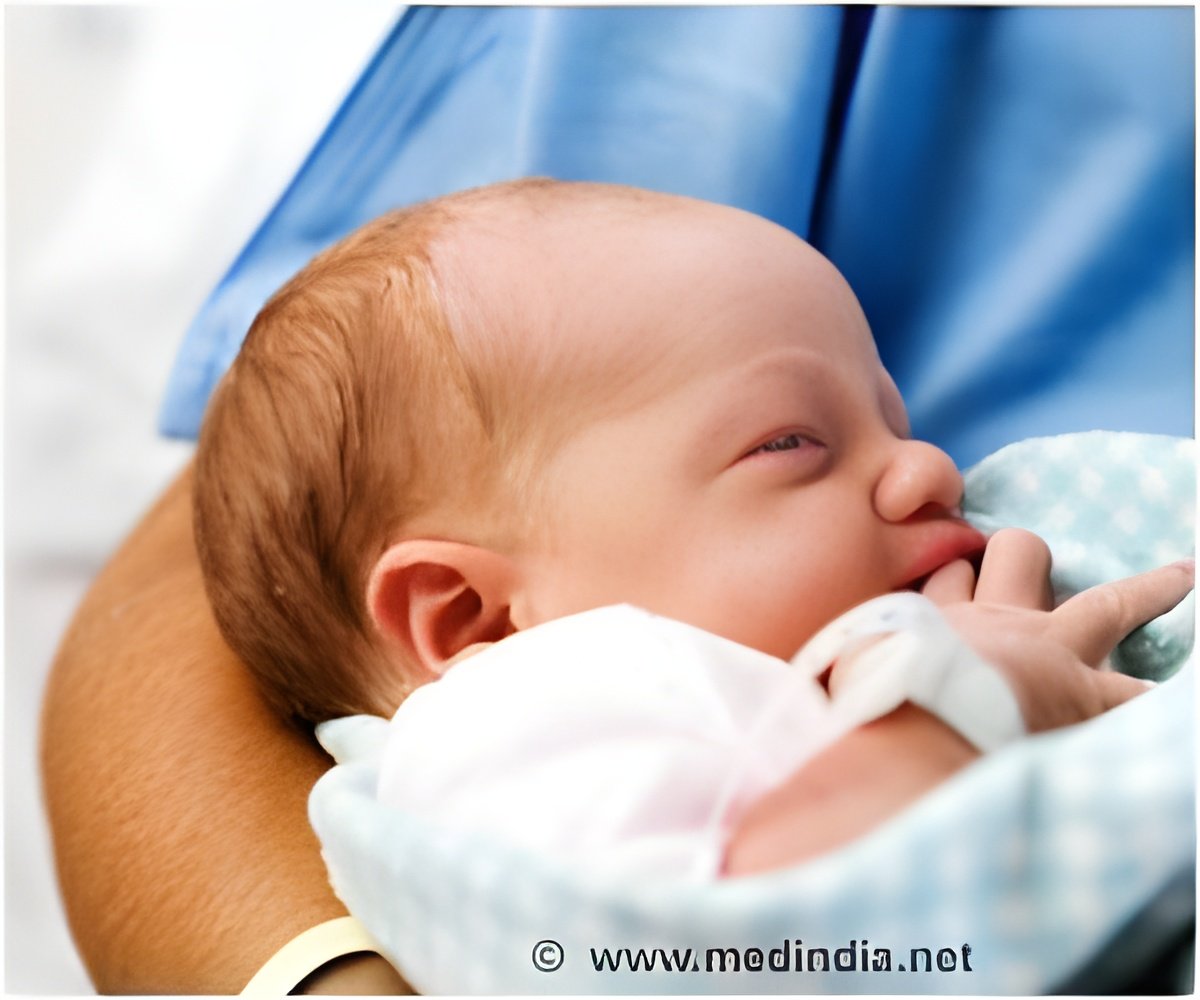
Predicting low birth weight risks in pregnant women in Brazil using machine learning algorithms: data from the Araraquara cohort study
Go to source). The research, which represents the first application of advanced machine learning algorithms for this purpose in the country, was based on data from 1,579 pregnant women monitored by the Araraquara population cohort in the interior of the state of São Paulo, Brazil. Supported by FAPESP, the work also serves as a counterpoint to most studies of this type that use data from countries in the Global North.

Artificial intelligence in Healthcare
Artificial intelligence (AI) in healthcare is the discipline using data intensive computer based solutions to improve patient care and outcome.
Artificial intelligence (AI) in healthcare is the discipline using data intensive computer based solutions to improve patient care and outcome.
TOP INSIGHT

#AI and #Machine_Learning are transforming #maternal & #childhealth! By enabling earlier interventions, these powerful tools can help reduce the risks of #lowbirthweight and improve outcomes for moms and babies. #AIinHealthcare #MaternalHealth
AI and Machine Learning: Transforming Maternal and Child Health Outcomes
“The findings have a significant impact on clinical practice and public policy formulation, given that the use of artificial intelligence and machine learning can enable earlier interventions, helping to reduce the risks associated with low birth weight and improving maternal and child health,” says Patrícia Rondó, a professor at the University of São Paulo’s School of Public Health (FSP-USP) and the author of the study published in the journal BMC Pregnancy and Childbirth.Low birth weight is a global health problem with links to medical factors, such as complications during pregnancy, as well as socioeconomic factors, including maternal age, education, and access to prenatal care.

Floods Increase Preterm Births and Low Birth Weights by 3%
Discover how floods increase preterm birth rates and low birth weights by 3%, potentially leading to chronic health issues.
Discover how floods increase preterm birth rates and low birth weights by 3%, potentially leading to chronic health issues.
Rondó is also the coordinator of a population study conducted in Araraquara that assessed the nutritional status and body composition of 2,000 pregnant women and their children from the fetal stage onwards. In addition to serving as a basis for evaluating predictive algorithms for low birth weight, the sample, which is representative of the city of Araraquara and the surrounding region, has enabled a series of studies on obesity and genetic, environmental, and epigenetic factors associated with disease.

Essential Nutrients for Every Age Group: From Infants to Seniors
Discover the essential nutritional needs for every age, from infancy to senior years, including key caloric intake and vital nutrients to support health and development.
Discover the essential nutritional needs for every age, from infancy to senior years, including key caloric intake and vital nutrients to support health and development.
Identifying Low Birth Weight Risk
Factors such as maternal age, anthropometric variables, socioeconomic status, and access to prenatal care were identified as key determinants of low birth weight. “The risk factors are well-known in the literature, and a predictive model such as the one we tested is important for screening higher-risk cases that deserve greater attention during prenatal care. In addition, these are simple, low-cost variables that are routinely collected in health services, which makes the model applicable even in regions with limited resources,” says Victor.
Reference:
- Predicting low birth weight risks in pregnant women in Brazil using machine learning algorithms: data from the Araraquara cohort study - (https://bmcpregnancychildbirth.biomedcentral.com/articles/10.1186/s12884-025-07351-3)
Source-Eurekalert
 Email
Email