MEDINDIA
 English
 हिन्दी
 Español
 français
 中文
中文
Nanoneedle patch extracts molecular data from brain cancer tissue without harming or removing cells.
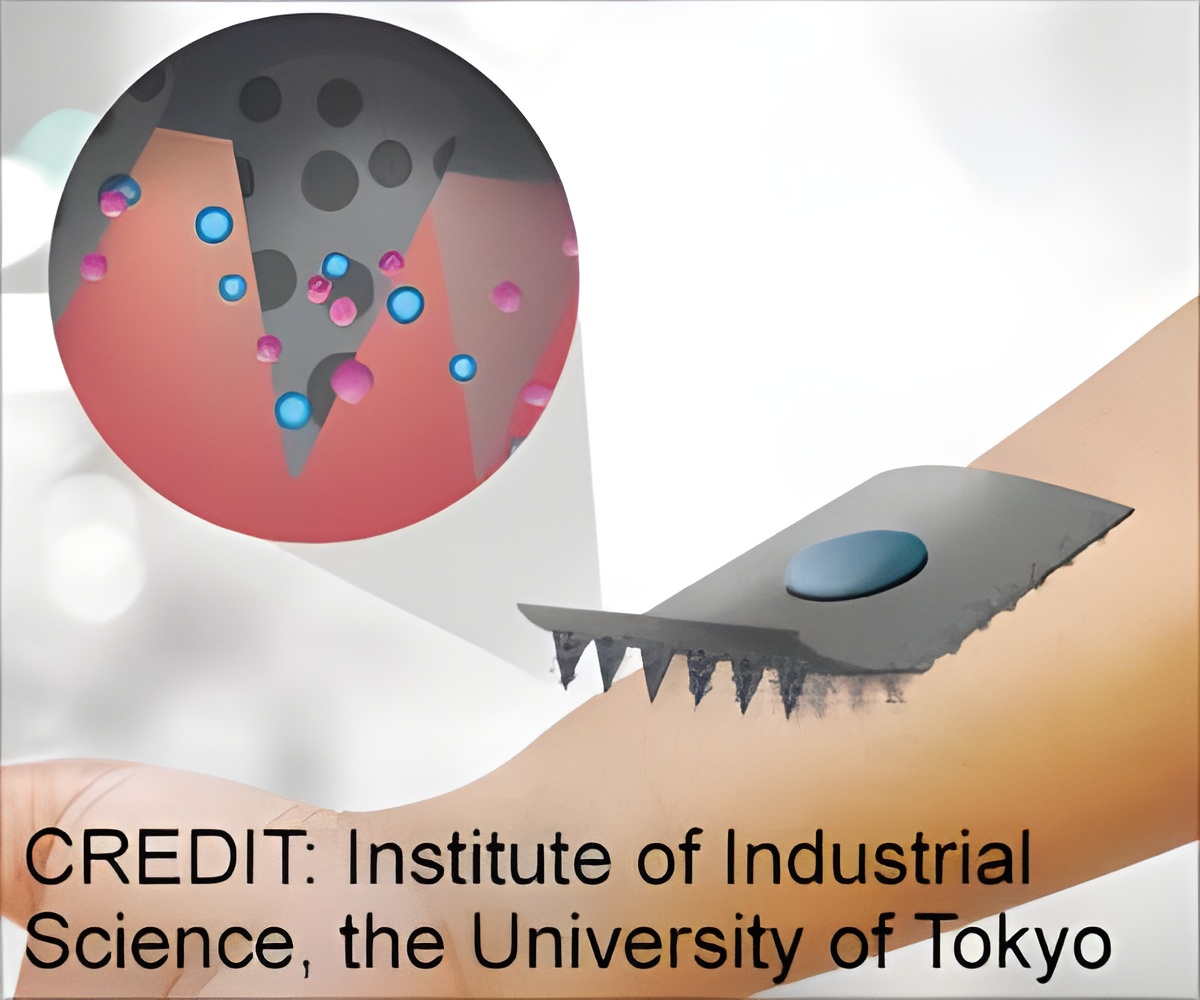
Nanoneedles enable spatiotemporal lipidomics of living tissues
Go to source). Researchers at King’s College London have created a nanoneedle patch that gathers molecular data from tissues without causing harm or requiring tissue removal. This innovation may enable real-time disease monitoring and allow for multiple, repeatable tests in the same location—something not possible with traditional biopsy methods.
Astrocytoma
Astrocytomas are primary brain tumors and the most common type of glial tumors. There are many varieties of astrocytomas, and it is seen in all age groups.
Astrocytomas are primary brain tumors and the most common type of glial tumors. There are many varieties of astrocytomas, and it is seen in all age groups.
TOP INSIGHT

What if #cancer_biopsies didn't have to be painful? #Nanoneedles are bringing us closer to that reality. This could be the beginning of the end for discomfort. #nanotechnology
Painless Nanoneedles Offer Earlier, Safer Disease Monitoring
Because the nanoneedles are 1,000 times thinner than a human hair and do not remove tissue, they cause no pain or damage, making the process less painful for patients compared to standard biopsies. For many, this could mean earlier diagnosis and more regular monitoring, transforming how diseases are tracked and treated.Dr. Ciro Chiappini, who led the research published in Nature Nanotechnology, said: “We have been working on nanoneedles for twelve years, but this is our most exciting development yet. It opens a world of possibilities for people with brain cancer, Alzheimer’s, and for advancing personalized medicine. It will allow scientists – and eventually clinicians – to study disease in real time like never before.”
The patch is covered in tens of millions of nanoneedles. In preclinical studies, the team applied the patch to brain cancer tissue taken from human biopsies and mouse models. The nanoneedles extracted molecular ‘fingerprints’ — including lipids, proteins, and mRNAs — from cells, without removing or harming the tissue.
Use of Nanotechnology in Healthcare
Nanotechnology provides several potential solutions for many life-threatening diseases. Learn more about the role of nanotechnology in healthcare
Nanotechnology provides several potential solutions for many life-threatening diseases. Learn more about the role of nanotechnology in healthcare
Dr Chiappini said: “This approach provides multidimensional molecular information from different types of cells within the same tissue. Traditional biopsies simply cannot do that. And because the process does not destroy the tissue, we can sample the same tissue multiple times, which was previously impossible.”
Quiz on Nanotechnology and Nanoparticles
Nanotechnology refers to techniques that use engineering at a very small scale, that is, use nano-sized objects. Take this quiz to know more about nanotechnology. ...
Nanotechnology refers to techniques that use engineering at a very small scale, that is, use nano-sized objects. Take this quiz to know more about nanotechnology. ...
Real-Time Surgical Guidance with Nanoneedle Technology
This technology could be used during brain surgery to help surgeons make faster, more precise decisions. For example, by applying the patch to a suspicious area, results could be obtained within 20 minutes and guide real-time decisions about removing cancerous tissue.Made using the same manufacturing techniques as computer chips, the nanoneedles can be integrated into common medical devices such as bandages, endoscopes and contact lenses.

Brain Depression - Animation
Interactive section of Medindia provides information about chemistry of Brain depression
Interactive section of Medindia provides information about chemistry of Brain depression
The breakthrough was possible through close collaboration across nanoengineering, clinical oncology, cell biology, and artificial intelligence—each field bringing essential tools and perspectives that, together, unlocked a new approach to non-invasive diagnostics.
Reference:
- Nanoneedles enable spatiotemporal lipidomics of living tissues - (https://www.nature.com/articles/s41565-025-01955-8)
Source-Eurekalert
 Email
Email