MEDINDIA
 English
 हिन्दी
 Español
 français
 中文
中文
Dog walking is associated with lower body mass index, fewer doctor visits, more frequent exercise and an increase in social benefits for seniors.

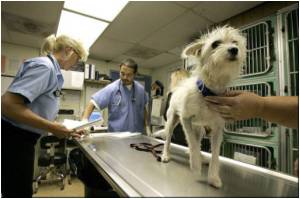
Sustainability of Pet Ownership Questioned
A number of important questions on the sustainability of pet ownership have been raised by University of Illinois animal sciences researcher Kelly Swanson.
A number of important questions on the sustainability of pet ownership have been raised by University of Illinois animal sciences researcher Kelly Swanson.
TOP INSIGHT

Dog ownership and walking were observed to increase physical health among older adults. It also offers a means to socialize with pet owners and others.
The study analyzed 2012 data from the Health and Retirement study sponsored by the National Institute on Aging and the Social Security Administration. The study included data about human-animal interactions, physical activity, frequency of doctor visits and health outcomes of the participants.
"Our results showed that dog ownership and walking were related to increases in physical health among older adults," said Johnson, who also serves as director of the Research Center for Human-Animal Interaction at MU. "These results can provide the basis for medical professionals to recommend pet ownership for older adults and can be translated into reduced health care expenditures for the aging population."

Pet Owners Can Feel Less Lonely If Socially Supported
Pet owners living alone enjoy better emotional health if only they receive a high level of social support. Otherwise owning pets doesn’t necessarily drive away loneliness.
Pet owners living alone enjoy better emotional health if only they receive a high level of social support. Otherwise owning pets doesn’t necessarily drive away loneliness.
Retirement communities also could be encouraged to incorporate more pet-friendly policies such as including dog walking trails and dog exercise areas so that their residents could have access to the health benefits, Johnson said.
Are Pet Owners Healthier?
The general claim that pet owners are happier, healthier and live longer than people without pets may not be true, according to a study.
The general claim that pet owners are happier, healthier and live longer than people without pets may not be true, according to a study.
Source-Newswise
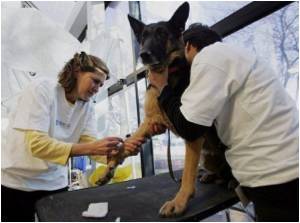
Pet Health Insurance can Relieve Pet Owners' Financial Burden
Does the idea of getting a health cover for your pet seem like a waste of money?
Does the idea of getting a health cover for your pet seem like a waste of money?
 Email
Email